May 19, 2026
Why Clopening Shifts Cost More Than They Save
Clopening shifts drive fatigue, turnover, and legal risk. Learn safer scheduling fixes and better ways to cover early openings without burning staff.
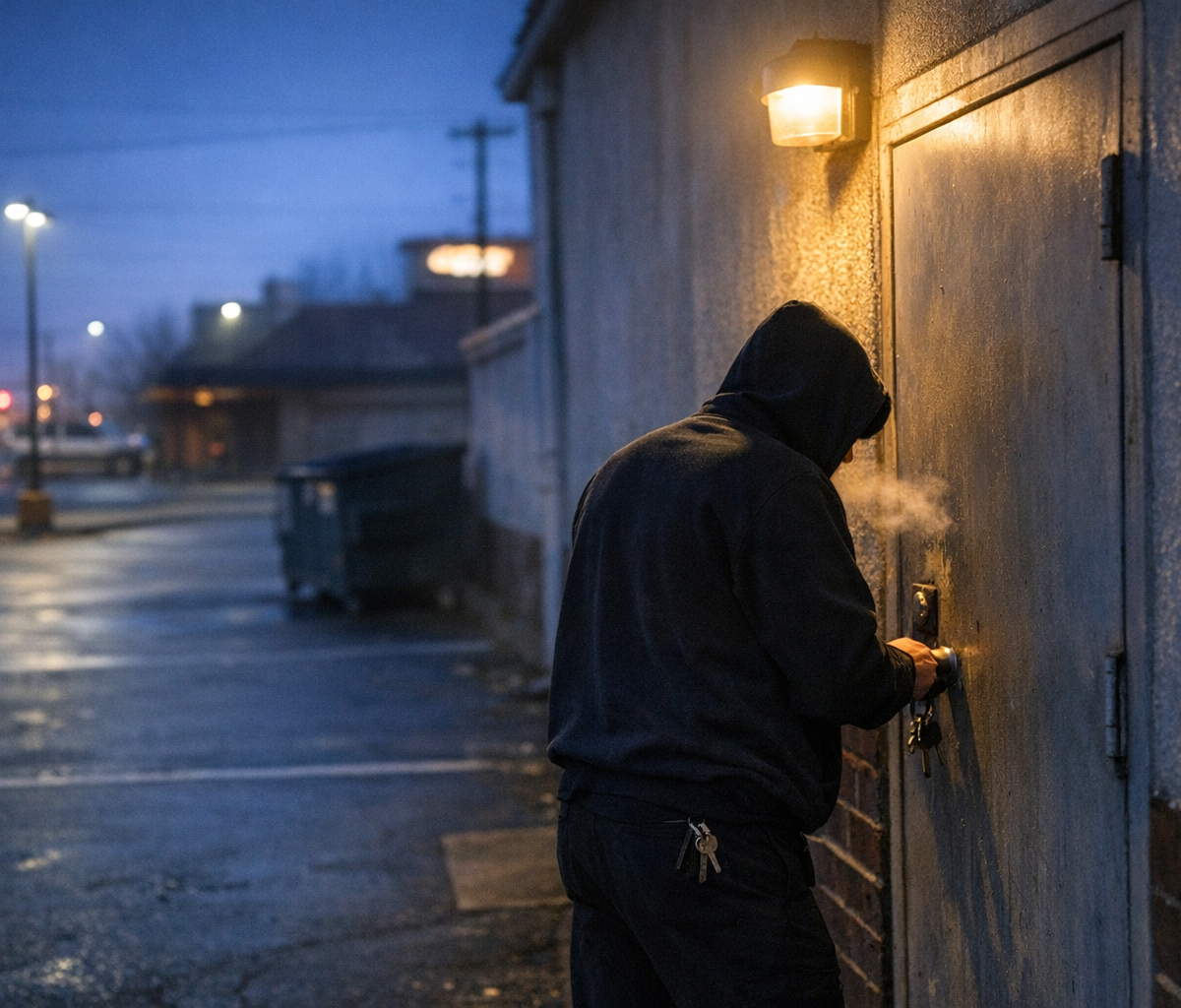
The dining room closes at midnight. Chairs go up, cash gets counted, the line gets broken down, and the last mop bucket is dumped around 1:00 a.m. A few hours later, that same employee is back to unlock the door for a 6:00 a.m. open. On paper, it looks like shift coverage. In practice, it is fatigue dressed up as scheduling.
Clopening, the back-to-back close and open, has been treated for years as an unfortunate but normal part of restaurant life. It should not be. The short-term convenience rarely outweighs the long-term damage to staff health, retention, consistency, and in some markets, legal compliance.
Why clopening shifts create bigger problems
Most operators already know employees hate clopens. The reason is not attitude. It is math. A seven-hour gap between shifts does not mean seven hours of rest. Commute time, post-shift adrenaline, meals, showers, and basic life tasks strip that down fast. What is left is often four to five hours of sleep before another physically demanding shift begins.
Fatigue shows up everywhere. Ticket times slip. Prep mistakes increase. Temp logs get rushed. Guest interactions get shorter and rougher. A tired opener is also more likely to call out, arrive late, or work in a fog that drags down the whole crew. Managers often think clopening protects labor cost. What it often does is move the cost into errors, comped items, and lost morale.
There is also a safety issue that rarely gets enough attention. Sleep-deprived employees drive home late and return before sunrise. In kitchens, fatigue around knives, hot surfaces, and wet floors is not a small concern. In front-of-house roles, it affects cash handling, judgment, and service recovery. None of that helps the business.
Clopening laws and scheduling compliance
In some cities and states, clopening is no longer just a bad practice. It can create legal exposure. Predictive scheduling laws and fair workweek rules in certain jurisdictions require minimum rest periods between shifts or premium pay when those rest periods are cut short. Hospitality operators with multiple locations need to pay close attention, because the rules are not consistent across markets.
Even where no specific law exists, the direction is clear. Regulators and labor advocates increasingly treat rest between shifts as a workplace standard, not a perk. Operators who keep relying on clopens are betting against that trend.
The compliance problem gets worse when schedules are patched together informally. A manager texts a closer at 10:30 p.m. and asks for an open. The employee says yes because saying no feels risky. Nothing is documented well, and nobody checks whether the turnaround is reasonable. That is how bad habits become normal policy.
Shift coverage without the clopening trap
The fix is not complicated, but it does require discipline. First, opening and closing should be treated as separate staffing problems. Too many schedules are built around total weekly hours instead of recovery time between demanding shifts. Rest windows need to be part of the labor plan from the start.
Second, cross-training matters more than managers think. When only one or two people can open a station, clopening becomes the default backup plan. A deeper bench gives schedulers real options. That applies to keyholder duties, prep, bar setup, bakery production, and any role that tends to fall on the same dependable person.
Third, callout coverage needs a system. When a morning shift suddenly opens up because last night's closer cannot safely come back, the worst response is to pressure the same exhausted person to push through. Tools like Truvex offer a more practical route by notifying qualified, off-duty workers at once, so managers can find a rested replacement instead of forcing a clopen. The point is not the app itself. The point is building a coverage process that does not depend on fatigue.
How clopening fuels turnover and labor cost
Managers often notice the damage from clopening only after a strong employee quits. Rarely is the exit interview dramatic. More often, it is a steady pattern of bad turnarounds, missed sleep, and the feeling that reliability is being punished. The most dependable workers are usually the ones asked to absorb the worst shifts. Eventually, they stop volunteering, burn out, or leave.
That turnover is expensive. Hiring and training replacements takes time from managers and senior staff. New employees make more mistakes, need more supervision, and usually cannot handle the same range of tasks right away. The labor budget may look tighter when clopens are used, but the operation often pays for it later in churn and instability.
Restaurants and hotels do not need perfect schedules. They need humane ones. There will always be callouts, late deliveries, banquet changes, and ugly weeks on the calendar. But a staffing model that depends on people closing late and opening early is not resilient. It is just borrowed labor from tomorrow's problem.
The operators who get ahead of this are not softer. They are more realistic. Rested teams work cleaner, stay longer, and recover faster when the day goes sideways. In an industry built on thin margins and constant interruptions, that kind of stability matters more than one patched shift ever will.