May 12, 2026
Restaurant Callout Policy That Holds Up
Build a callout policy staff will follow with clear notice rules, fair consequences, and a practical shift coverage process.

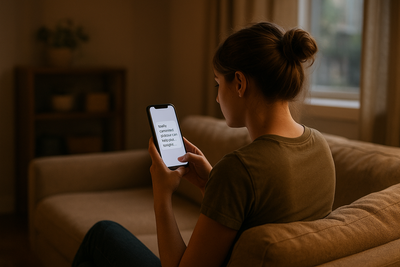
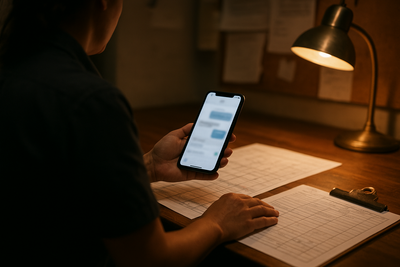
The callout usually hits at the worst possible time. A line cook texts 45 minutes before service. A server leaves a voicemail at 6:10 for a 7:00 shift. A bartender says there is a family emergency, but nobody knows who is supposed to cover. By the time a manager starts the phone tree, the real problem is already in motion, service is exposed, labor gets messy, and the rest of the team is irritated.
That is where most attendance policies fall apart. Not because the rules are unclear on paper, but because the process behind them does not work in real life. A policy that says employees must find coverage means very little if there is no reliable way to reach qualified off-duty staff quickly. A policy that punishes every absence the same way usually gets ignored, worked around, or applied unevenly.
What a restaurant callout policy needs to cover
A workable callout policy starts with plain language. It should define what counts as a callout, who must be notified, and how notice must be given. Texting a coworker is not the same as notifying management. A message in the scheduling app may not be enough if nobody is actively watching it. Most operators need one primary reporting method and one backup, such as calling the manager on duty and, if there is no answer, sending a text to a designated number.
The notice window matters too. A good policy distinguishes between foreseeable absences and true last-minute emergencies. Doctor appointments, school obligations, and planned travel should be handled through normal scheduling requests. Illness, childcare breakdowns, transportation problems, and emergencies fall into a different category. Treating those situations identically creates friction and encourages people to hide the truth.
Shift coverage without the usual chaos
The weak point in many policies is the replacement requirement. Managers often say staff must find their own coverage, but the actual method is outdated, random, and slow. Group chats get buried. People contact friends instead of qualified teammates. Managers still end up making the calls.
A better system spells out what the employee is responsible for and what management owns. For example, the employee must report the absence properly and respond promptly if follow-up is needed. Management must then activate a defined shift coverage process. Some restaurants handle this through scheduling software. Others use tools like Truvex to send a one-tap alert to qualified off-duty workers by push notification and SMS, which is far more practical than expecting someone who woke up sick to manually chase replacements one by one.
The point is not to remove accountability. The point is to make coverage real. If a policy requires a replacement, the operation needs a fast mechanism behind it.
How to handle no-show and repeat callout issues
Not every attendance problem should carry the same consequence. A no-show with no communication is different from a documented illness reported correctly. The policy should say that clearly. Most restaurants do better with an escalating system, verbal warning, written warning, final warning, then termination when patterns continue. The exact sequence may vary based on local labor rules and company standards, but consistency matters more than severity.
Documentation should be simple and specific. Date, shift, reason given, method of notice, and whether coverage was found. That record protects the business and keeps managers from relying on memory, which is where favoritism and inconsistency creep in. If one employee gets a pass for three late callouts while another gets written up after one, the policy is already dead.
Scheduling policy that people can actually follow
Attendance rules only work when the schedule itself is reasonable. Chronic callouts often point to a deeper issue, unstable hours, clopening shifts, poor availability tracking, or managers posting schedules too late. Staff are more likely to follow a policy when they believe the operation is meeting them halfway.
That means publishing schedules with enough lead time, confirming availability regularly, and avoiding the habit of solving every staffing problem with the same reliable few employees. Burn out creates more callouts, not fewer. Fair scheduling is attendance management, whether operators label it that way or not.
A useful written policy often includes these basics:
- How and when a callout must be reported
- What counts as acceptable documentation, if any
- Who is responsible for starting shift coverage
- How no-shows differ from reported absences
- What progressive discipline looks like
- When exceptions apply for emergencies or protected leave
Fair attendance policy beats strict attendance policy
The restaurants that manage callouts best are not always the strictest. They are the clearest. Staff know what to do, managers respond the same way every time, and the business has a real process for filling the shift fast. That is what keeps one sick text from turning into a full-night scramble.
A callout policy should protect service standards without pretending employees are machines. In hospitality, people get sick, cars break down, children need picking up, and life shows up right before pre-shift. The operations that hold up are the ones that plan for that reality instead of writing policies that collapse the moment reality arrives.