May 10, 2026
Predictive Scheduling Rules for Restaurants
Understand 2026 predictive scheduling rules, premium pay risks, and how to handle callouts without creating avoidable compliance problems.
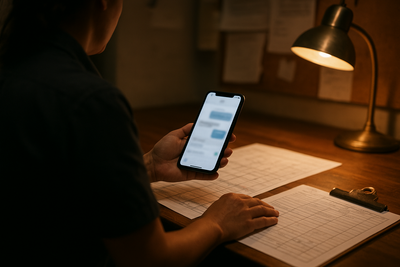
The problem usually starts at 4:12 p.m. A line cook texts that they are sick. Service starts in less than two hours. The dining room is already booked, labor is tight, and someone has to fill the station. In 2026, that familiar scramble carries a second risk beyond a rough shift. In many cities and states, one bad scheduling decision can also trigger premium pay, retaliation claims, or a records problem that gets expensive later.
Predictive scheduling laws, sometimes called fair workweek laws, were built to stop employers from treating schedules like rough drafts. For restaurants, that means last-minute changes now have to be handled with more care, more documentation, and a clearer line between a manager request and an employee's voluntary choice.
What predictive scheduling laws usually require
The details vary by jurisdiction, but the pattern is consistent. Covered employers are often required to post schedules 14 days in advance. If the business changes that schedule inside the notice window, the employee may be owed predictability pay or premium pay. Many laws also restrict clopening shifts, require rest between closing and opening, and protect an employee's right to decline added hours that were not on the posted schedule.
That last point matters during a callout. A manager may think they are simply trying to save dinner service. The law may see a schedule modification. If the shift is accepted voluntarily, documented clearly, and handled without pressure, the risk looks different. If the change appears imposed, or if records are thin, the situation becomes harder to defend.
Callout coverage can turn into a compliance issue fast
Restaurants live on last-minute adjustments. Servers get sick. Bartenders no-show. Prep runs long. The operational instinct is to start texting the usual reliable people until somebody says yes. That approach may still fill the shift, but it can create questions later. Who was contacted? Was the shift offered broadly or selectively? Did the employee feel free to decline? Was premium pay triggered? Was the final change reflected in the schedule records?
Enforcement agencies and plaintiff attorneys do not usually focus on what the manager meant. They focus on what happened, what was documented, and whether the employee had a genuine choice. In a predictive scheduling environment, informal habits become liability.
How to handle shift coverage without creating avoidable risk
The safest response starts before the emergency. Managers need a written process for callouts and schedule changes. That process should define who can approve changes, how offers are sent, how acceptance is captured, and where records are stored. If local law requires premium pay for certain changes, the payroll team needs to know exactly when that pay is triggered.
It also helps to separate manager-directed changes from employee-initiated swaps or voluntary pickup. That distinction is central under many fair workweek rules. If an off-duty employee chooses to take an open shift after receiving a neutral offer, the compliance posture may be very different from a manager assigning the change directly.
Some operators now use tools like Truvex for this reason. When a callout opens a hole in the schedule, the system sends the shift to qualified off-duty workers, records who was notified, and captures who opted in. That kind of trail can help show the coverage was voluntary and employee-initiated, rather than a unilateral schedule change pushed by management. It does not replace legal review or local policy, but it addresses one of the biggest weak spots, missing documentation.
Scheduling records matter as much as the schedule itself
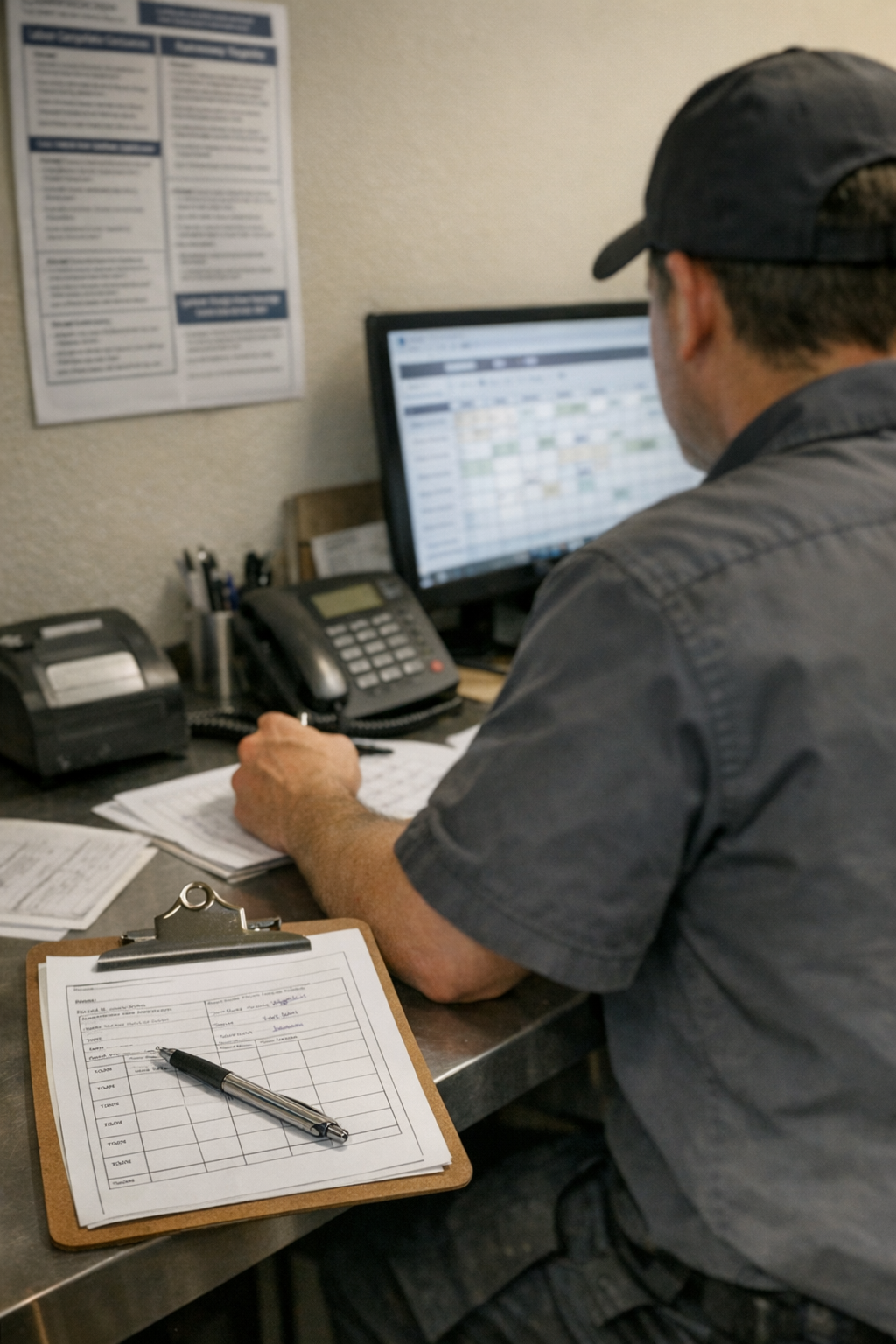
Many operators underestimate the recordkeeping side of these laws. A compliant schedule posted 14 days out is only part of the story. Businesses may also need to retain posted schedules, revisions, consent records, payroll adjustments, and communications tied to shift changes. If the only evidence is a manager's memory and a string of personal text messages, the defense is already weak.
That is especially true in multi-unit operations where practices drift. One location manager may offer open shifts fairly and document everything. Another may pressure the same two employees every weekend and forget to log the change. On paper, those inconsistencies look like policy failure, not isolated mistakes.
No-show and clopening risks are now scheduling risks
Predictive scheduling compliance is not just an HR issue. It affects staffing strategy, training, and labor cost control. Restaurants with shallow benches are more likely to make rushed changes. Teams with high turnover are less likely to understand their rights and the company's process. Units that rely on clopenings to plug labor gaps may be building violations into the weekly schedule.
The practical fix is rarely one big change. It is tighter forecasting, broader cross-training, cleaner communication, and a coverage process that does not depend on panic. The more often a store operates in crisis mode, the more likely it is to create a wage and hour problem while trying to solve a staffing problem.
By 2026, predictive scheduling laws are no longer a niche issue limited to a few headline cities. They are part of the operating environment. Restaurants that treat scheduling as a compliance function, not just an administrative task, will have fewer ugly surprises when the inevitable callout hits at the worst possible time.