June 16, 2026
Restaurant Staffing for the 5 Busiest Days
Plan smarter for the year's biggest service days with practical staffing tactics for scheduling, incentives, backups, and holiday callouts.
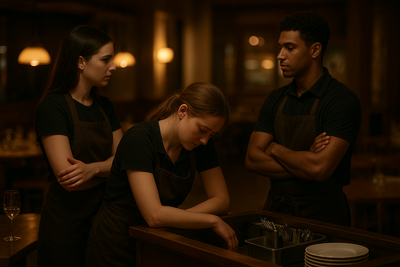
The worst time to discover a staffing hole is 45 minutes before doors open on a holiday reservation book that has been full for a week. A server calls out sick on Valentine's Day. A line cook's babysitter cancels on Mother's Day. On New Year's Eve, a bartender stops answering the phone. None of this is unusual. The busiest restaurant days of the year tend to collide with the days employees most want off, and that tension has to be managed long before the first guest walks in.
The five biggest service days are not identical, but they do share one rule: hoping the schedule holds is not a plan. Managers need a staffing approach built around demand, fatigue, and the reality that holiday callouts happen even in strong teams.
Holiday scheduling starts earlier than most managers want
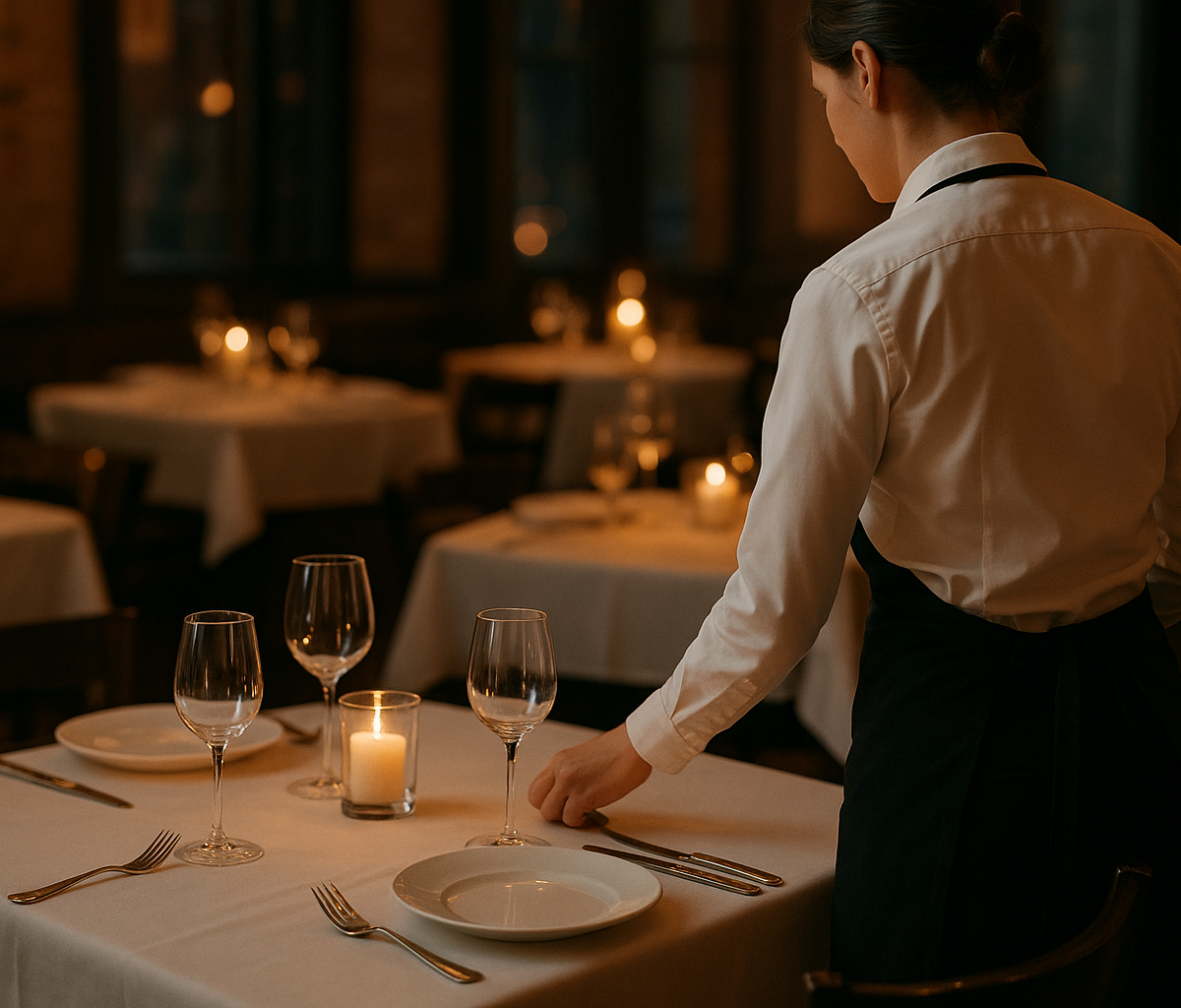
For Mother's Day, Valentine's Day, New Year's Eve, Easter, and Father's Day, the schedule should be treated more like an event plan than a normal week. That means posting expectations early, confirming availability well in advance, and being direct about peak-hour needs. Staff usually handle hard news better when it comes early. Last-minute pressure creates resentment. Clear policy creates fewer surprises.
It also helps to stop treating every holiday the same. Mother's Day often means heavy brunch and lunch volume with large parties, kids, and longer table times. Valentine's Day is usually tighter, more paced, and less forgiving if front-of-house staffing falls short. New Year's Eve tends to stretch later, with alcohol sales, transportation issues, and a higher risk of no-shows as the night goes on. Easter and Father's Day can vary by concept, but both often bring uneven pacing and family-driven traffic patterns that require patience and strong floor coverage.
Shift coverage for Mother's Day and brunch-heavy service
Mother's Day breaks teams in a different way than dinner holidays. The rush starts earlier, parties linger, and the kitchen gets hit with modifiers from the first turn. This is not the day to run lean because labor cost looked high on paper. A missing host, busser, or expo can slow the entire room faster than one more server can fix it.
For this day, the safest move is to overbuild support positions and keep a short backup roster for the first half of service. Cross-trained employees matter here. Someone who can jump from food running to hosting for 30 minutes can save the shift.
Valentine's Day callout risk is higher than managers admit
Valentine's Day looks simple from the outside. Fixed menus, reservations, predictable covers. In practice, it is one of the easiest nights to derail because every table expects timing, attention, and polish. One callout can throw section balance off immediately, and replacing that person by texting individual employees one by one wastes time managers do not have.
This is where a backup system needs to be mechanical, not improvised. Some operators keep a paid on-call list. Others use premium pay for anyone who agrees to be available. Tools like Truvex fit into that gap by letting managers send one broadcast to qualified off-duty workers instead of chasing replies across group chats. On a night when extra holiday pay is already on the table, that speed matters.
No-show planning for New Year's Eve
New Year's Eve requires blunt planning. Transportation gets messy. Late-night fatigue sets in. Some employees want the money, but not the close. Split shifts, staggered start times, and role-specific incentives can help. So can assigning a clear cutoff for when backup staff must be activated, rather than waiting and hoping a late employee walks through the door.
Managers should also decide in advance what service standards can bend and what cannot. Maybe the menu gets tightened. Maybe reservations are padded differently. Maybe side work is redistributed so closers are not burning out before midnight. The point is to protect execution where guests will feel failure most directly.
Labor cost, incentives, and realistic holiday staffing
Holiday staffing usually costs more. That is not automatically bad management. Premium pay, completion bonuses, meal perks, and guaranteed sections can all improve coverage if they are communicated early and applied fairly. What fails is vague favoritism, unclear rules, or incentives announced after the schedule is already a fight.
The best operators also track who reliably works difficult shifts, who accepts backup coverage, and who becomes a repeat callout risk on major dates. Memory is unreliable during a busy season. Documentation is not.
Backup rosters are part of the schedule, not a separate plan
A holiday schedule is incomplete without backup names attached to key roles. That includes cooks, bartenders, hosts, and support staff, not just servers. A backup roster should list who is qualified, who is nearby, who wants extra hours, and what incentive applies if called in. Truvex is one practical way to activate that list fast, but the underlying discipline matters more than the software. The roster has to exist before the emergency does.
The busiest restaurant days reward preparation, but they also expose fantasy. There is no perfect holiday schedule, only stronger and weaker contingencies. The operators who get through these dates best are usually not the lucky ones. They are the ones who planned for the callout before it happened.