August 2, 2026
What One Restaurant Quit Really Costs
See how one departure can quietly cost over $5,000, and why better staffing habits often protect margins more than another hiring push.
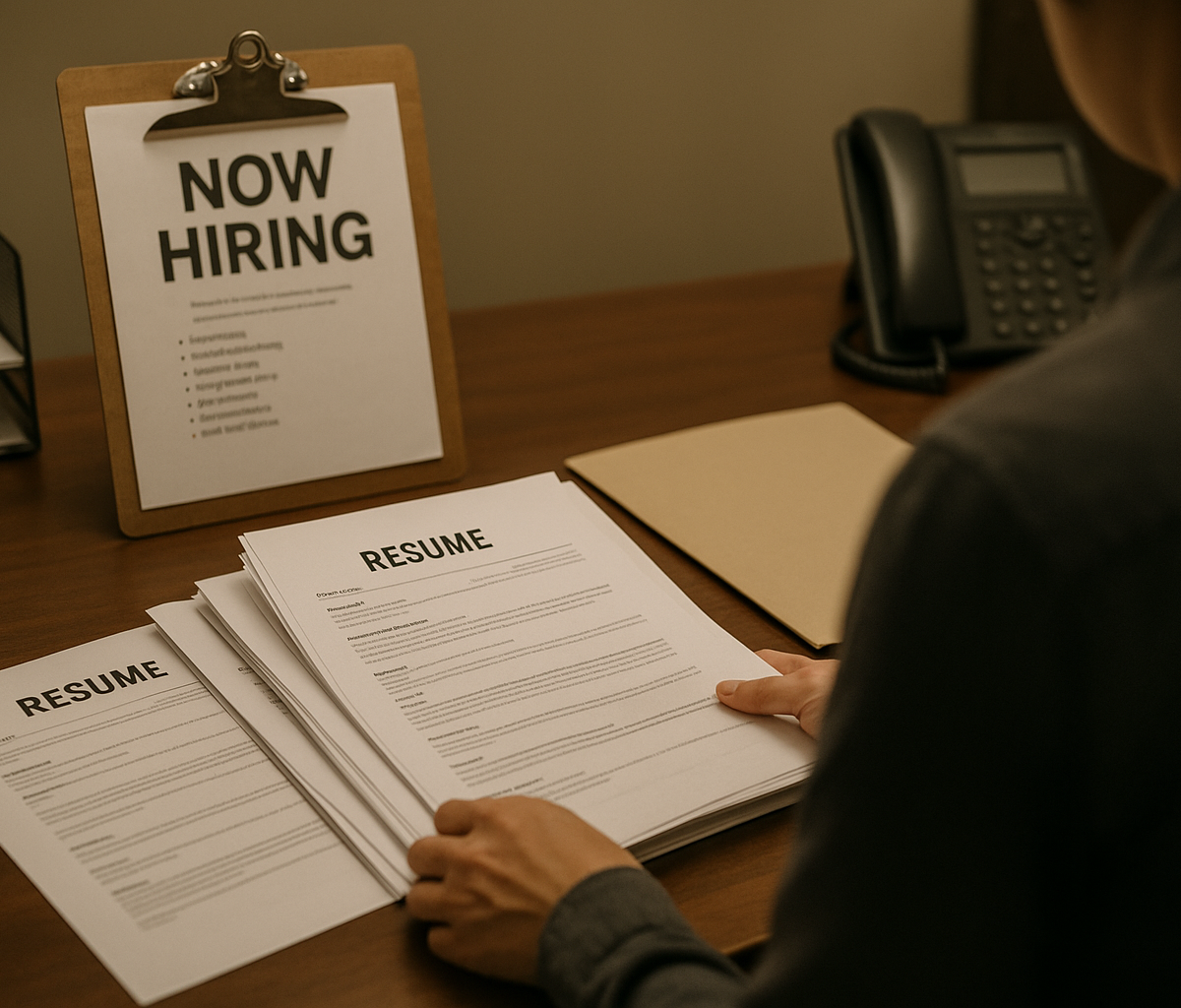
The resignation usually lands at the worst possible time. Friday lunch is stacked, two line cooks are already stretched, and a server who knows the floor better than anyone just gave notice. On paper, it looks like one vacancy. In practice, it is a chain reaction that hits labor cost, service speed, team morale, and management time all at once.
Research on hourly workforce turnover regularly shows that replacing a single restaurant employee can cost well above $5,000 once the full picture is counted. That number is easy to underestimate because the damage rarely appears in one line on a profit and loss statement. It leaks out through job ads, interview hours, rushed training, overtime, mistakes, and slower shifts while a new hire gets up to speed.
The hidden labor cost behind restaurant turnover
Most operators account for the obvious expenses first, posting the job, screening applicants, interviewing, onboarding, and paying for uniforms or paperwork. Those are real costs, but they are only the front end.
The heavier expense often starts after the hire. A new employee is rarely productive on day one. Trainers are pulled off their own stations. Managers spend extra time checking work that a veteran would handle without supervision. Ticket times slip. Guest complaints rise. Other staff members pick up the slack, often with overtime attached. If the replacement does not last, the cycle starts again.
In a 30-person operation with high annual turnover, those losses can quietly climb into six figures. That is money spent not on growth, not on equipment, and not on wages that keep strong people around. It is money spent recovering from instability.
Why chronic callouts push good staff out
Turnover is often blamed on wages alone, but day-to-day operating stress is a major driver. In many restaurants, the breaking point is not one bad shift. It is the fifth short-staffed shift in two weeks. It is the dishwasher who keeps getting stuck late because no backup exists. It is the server who covers callout after callout while someone else always gets the easier schedule.
Burnout grows when teams believe coverage problems are handled unfairly or too slowly. When a no-show or sick call turns into panic, managers tend to text the same reliable people first. That solves tonight's problem, but it also creates resentment and fatigue. The dependable employees become the most overloaded, and those are often the people the business can least afford to lose.
Shift coverage problems become retention problems
Restaurants usually treat shift coverage as a scheduling issue. In reality, it is a retention issue. A team that constantly absorbs holes in the roster starts to assume management is always reacting and never stabilizing. That perception matters.
Operations that retain staff better tend to build coverage systems before the emergency happens. Cross-training helps. Clear pickup rules help. Fast communication helps even more. When qualified off-duty workers can see an open shift at the same time, and when pickup opportunities are distributed fairly, the burden stops falling on the same two or three people.
That is where tools like Truvex fit into the picture. Instead of one manager scrambling through contacts during a callout, the opening can be sent instantly to qualified staff by push notification and SMS, with multiple workers able to accept and management choosing the best fit. The value is not just speed. It is consistency and fairness, which are often what burned-out teams say has been missing.
Retention strategy beats constant restaurant hiring
Hiring faster is not the same as solving turnover. If the workplace keeps draining people, recruitment simply becomes a more expensive treadmill. Retention usually comes down to a few practical things done well, predictable scheduling, reasonable workloads, visible fairness, and fewer chaotic shifts.
Managers do not need perfect staffing to improve retention. They need fewer moments where the whole shift feels one callout away from collapse. That may mean tightening availability records, maintaining a real bench of cross-trained workers, and using scheduling systems that reduce last-minute scrambling instead of normalizing it.
The financial case is straightforward. Preventing even a handful of avoidable departures can protect far more margin than another round of emergency hiring. In an industry known for thin margins, keeping trained people from walking out is often one of the clearest cost controls available.
Restaurants rarely lose good employees for one reason alone. Usually it is accumulation, stress, uneven shifts, too many doubles, too many favors asked of the same people. The operators who take turnover seriously tend to look past the exit interview and study the shifts that led up to it. That is often where the real cost begins.