September 10, 2026
Fixing Overnight Shift Coverage at 2 AM
Learn how hotels and 24/7 operators handle overnight callouts, protect service, and fill critical shifts faster when coverage falls apart.

At 2:07 AM, the problem stops being theoretical. A front desk agent calls out sick, the night auditor is already tied up with reports, and a guest is standing in the lobby waiting to check in. In a hotel, that gap means more than inconvenience. It affects security, emergency response, guest service, and cash handling all at once. The same pattern shows up in hospitals, senior care, and 24/7 retail. Overnight shifts are harder to fill, and the cost of leaving them open is usually higher than managers want to admit.
Daytime staffing problems at least come with options. More people are awake, phones are on, and supervisors are nearby. Overnight coverage is different. The labor pool shrinks, response times slow down, and every missed callout lands on a smaller team that is already carrying the least forgiving hours on the schedule.
Why overnight shift coverage breaks down
Most overnight coverage problems start long before the actual callout. Many properties rely on a very small bench of workers willing to take late hours. That makes the schedule look stable on paper, but brittle in practice. One illness, one family emergency, or one no-show can leave the operation exposed.
Hotels feel this especially hard at the front desk. Overnight staff are often expected to cover arrivals, guest complaints, security awareness, end-of-day reconciliation, and basic property communication with little backup. In a hospital or care setting, the stakes are even more obvious. In 24/7 retail, a vacant overnight post can create both safety and shrink risk. The common issue is simple. These roles cannot just wait until morning.
Callout response needs to happen in minutes, not hours
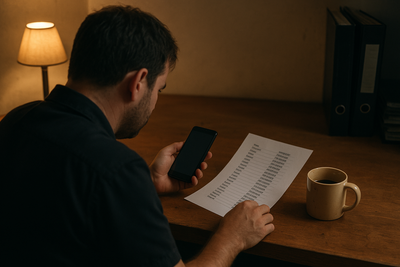
When an overnight worker calls out at 10 PM, the old routine usually fails. A manager starts texting one person at a time, then calling through a contact list, then waiting for replies that may never come. By the time a replacement is found, if one is found at all, the shift has already started short.
Faster shift coverage depends on broadcasting the need immediately to every qualified worker who could realistically take it. That means reaching people where they actually are, not assuming they are watching a scheduling app at night. In practice, dual-channel notification matters. A tool like Truvex, which sends both push notifications and SMS, reflects how overnight callouts actually work. Some staff ignore apps after hours. Few ignore a text if they are open to extra pay.
That matters because overnight shifts often do have a hidden audience. Some employees prefer them for childcare reasons, second-job scheduling, or shift differential pay. The challenge is not always lack of interest. It is lack of speed and visibility.
Scheduling practices that reduce overnight no-show risk
Coverage starts with schedule design. Managers who consistently fill overnight shifts tend to avoid building the roster around one or two "always reliable" people. They cross-train where possible, maintain a list of approved backup staff, and document who is actually willing to work nights instead of guessing based on seniority.
Another common practice is treating overnight availability as its own staffing category. Too many operations post a general open shift and hope someone bites. That wastes time. A better approach is to identify workers who have previously accepted late shifts, worked night audit, or shown interest in differential pay. Those are the first people who should see the opening.
It also helps to set response rules before the emergency. Staff should know how overnight callouts are handled, how quickly they need to respond, and who makes the final selection if multiple workers accept. Clarity removes the back-and-forth that burns precious time.
Labor cost versus coverage risk
Some managers hesitate to add overnight incentives because of labor cost. That is understandable, but the comparison is often made against the wrong baseline. The real comparison is not premium pay versus standard pay. It is premium pay versus an uncovered front desk, delayed check-ins, overtime for exhausted staff, and greater security exposure.
In many cases, a modest shift differential or emergency pickup bonus is cheaper than the operational damage caused by scrambling. Overnight work carries a burden that daytime shifts do not. Paying for that reality is usually more practical than pretending the market should ignore it.
Shift coverage is an operations issue, not just a staffing issue
The overnight shift exposes every weak spot in an operation. Thin staffing, outdated contact methods, unclear backup plans, and poor schedule visibility all show up after midnight. Hotels, hospitals, and 24/7 retailers that handle these moments well usually do not rely on heroics. They build a repeatable system for callouts, keep a real bench of qualified night workers, and use tools that reach people fast enough to matter.
At 2 AM, there is no room for a slow process. The operation either has a way to fill the gap, or it does not. That answer is usually decided long before the phone rings.