October 22, 2026
Why Phone Trees Fail Shift Coverage Now
Phone trees waste time during callouts. Learn why they fail modern shift coverage and what faster staffing response looks like in practice.
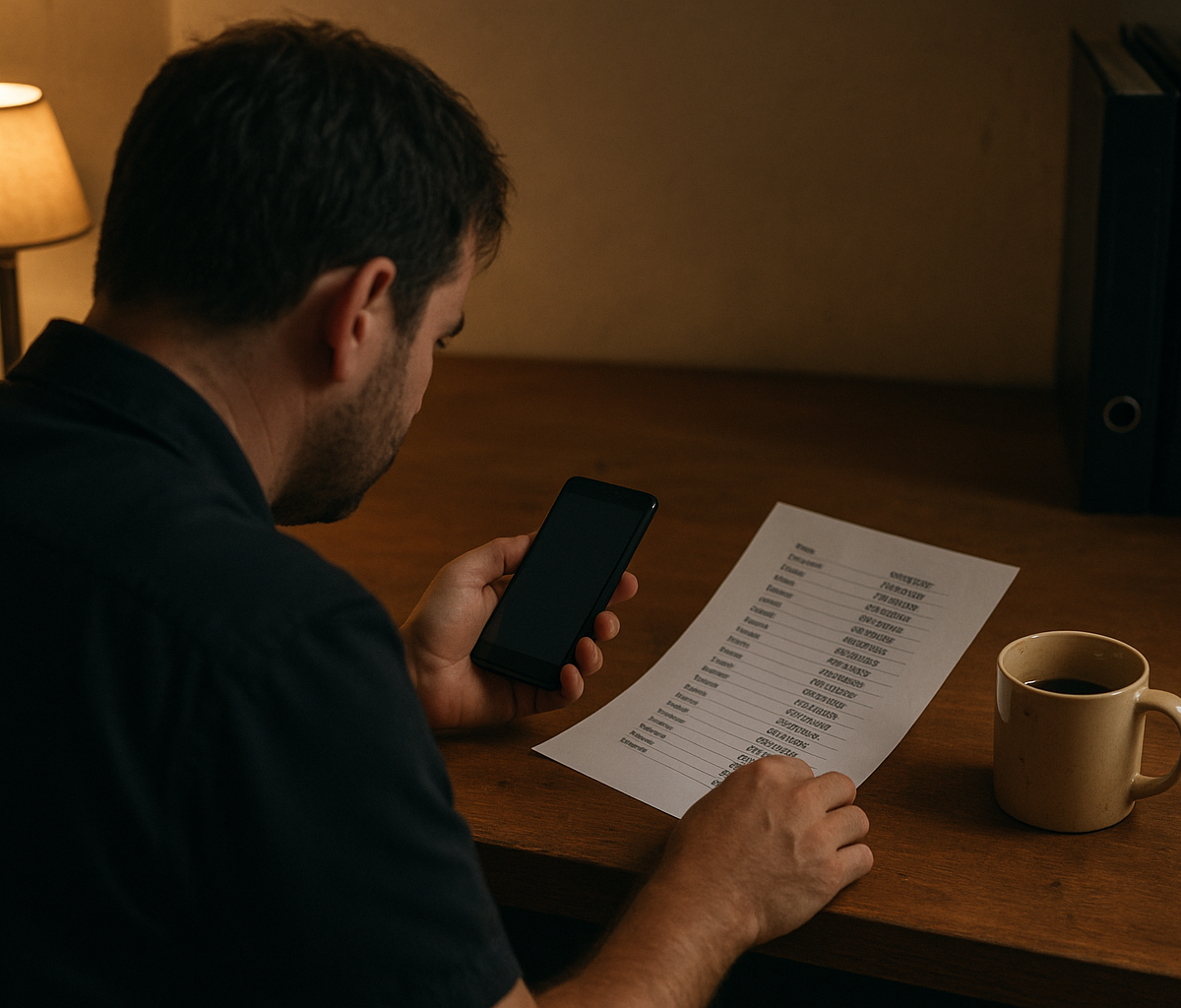
It usually starts at the worst possible time. A line cook calls out 90 minutes before dinner. The prep list is half done, deliveries are still being checked in, and a manager is standing in the office staring at a staff contact sheet from another decade. One call goes to voicemail. The next number is out of service. A third employee texts back 20 minutes later, already working somewhere else. Meanwhile, the floor is still moving, guests are still arriving, and the shift is already slipping.
The old phone tree was built for a different workplace. It assumed people answered calls, checked voicemail, and stayed reachable through one number. That is not how hospitality staffing works now. Shift coverage has become more dynamic, more fragmented, and less forgiving of delay.
Phone tree delays make callout coverage worse
The biggest problem with a phone tree is simple, it is sequential. One failed call leads to another, then another, until 30 minutes disappears. In a restaurant, 30 minutes is not an administrative inconvenience. It is the difference between a staffed open and a scramble.
When coverage depends on one person reaching out to one employee at a time, every missed connection becomes a bottleneck. Unknown numbers get ignored. Voicemail often sits unheard until after service. Staff who might have picked up an extra shift never even hear about it in time. The process does not fail because people are lazy. It fails because the channel is slow.
Unknown numbers and voicemail kill the no-show recovery process
Most hourly workers do not treat calls the way managers did ten or twenty years ago. If a number is not saved, it often does not get answered. If a voicemail is left, there is no guarantee it gets checked quickly. Text messages perform better, and app notifications can be even faster, because they match how people actually communicate during a normal day.
This matters during a no-show or same-day callout. Speed is not just about convenience. It shapes the quality of the replacement pool. The first ten minutes may produce three available employees. After forty minutes, those same employees may have made other plans, picked up another shift, or simply assumed the slot was filled.
Sequential scheduling creates labor cost problems
Phone trees do not just waste manager time. They also create bad labor decisions. When a manager has already spent 45 minutes chasing coverage, the pressure to fill the hole fast can lead to overtime, rushed role swaps, or bringing in someone less qualified just to stop the bleeding.
That kind of patchwork coverage shows up later in payroll, ticket times, guest complaints, and burnout. A slow scheduling response tends to narrow choices. A fast response tends to preserve them. That is one reason more operators are moving toward simultaneous outreach instead of call chains.
Better shift coverage starts with one-to-many outreach
The practical replacement for a phone tree is not complicated. It is a system that alerts all qualified off-duty workers at once, through channels they are likely to see immediately. Push notification and SMS together usually outperform phone calls alone because they remove the waiting built into sequential outreach.
Platforms like Truvex are built around that reality. Instead of calling fifteen people one by one, a manager sends one broadcast to eligible staff and gets responses back in minutes. The important shift is not the app itself. It is the operating model, simultaneous outreach instead of linear chasing.
Even without dedicated software, the principle holds. Coverage requests should go out broadly, quickly, and with clear details on role, start time, location, and any pay differential. Ambiguity slows response. Specifics get decisions.
Modern callout systems protect managers and crews
There is also a human side to this. Managers should not have to spend the first hour of a crisis begging people to answer the phone. Staff should not be put in the position of feeling singled out because they were fourth on a desperate call list. A transparent process is easier on both sides. Everyone qualified gets the same opportunity, and the manager can choose from actual responses instead of chasing ghosts.
The phone tree had its time. In a landline era, it made sense. In a mobile, shift-based workforce, it mostly creates delay, stress, and preventable labor mistakes. Restaurants do not need more heroic scrambling. They need faster systems that match how crews actually communicate now.