September 13, 2026
Why Shift Coverage Hits the Same Staff
Learn why open shifts keep landing on the same reliable workers, and how fair callout systems reduce burnout, resentment, and turnover.
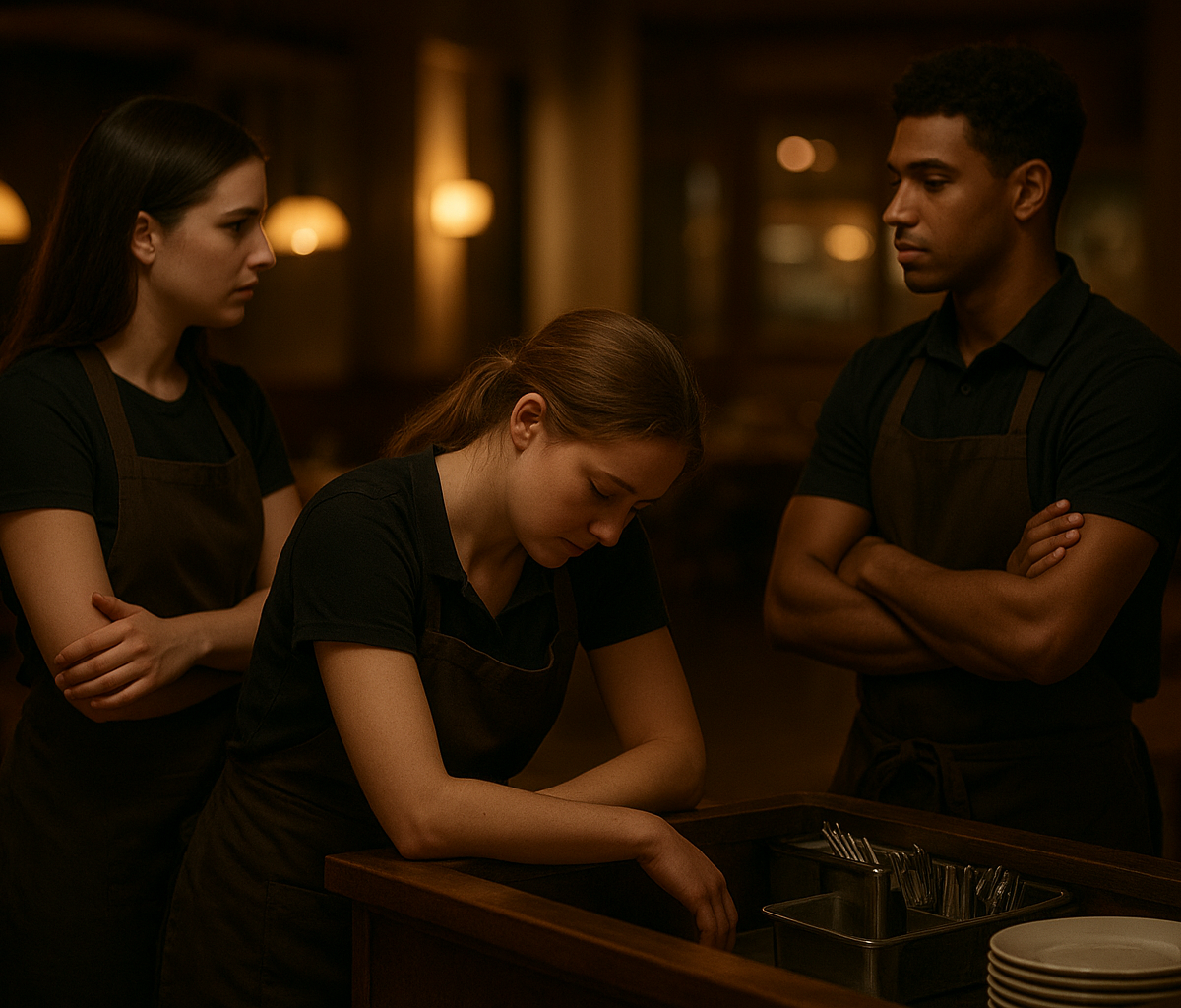
It usually starts with a text to the same person. Then another. Then a third, just in case. By the time a dishwasher calls out at 3:30 or a server drops a dinner shift an hour before lineup, the manager already knows who is most likely to say yes. That habit solves tonight's problem. It also creates next month's turnover.
In a lot of restaurants, the coverage burden falls on the same two or three workers. They answer fast, pick up extra hours, and do not like leaving the team short. On paper, they look like the strongest employees on the roster. In practice, they are often carrying a hidden tax that nobody tracks until they burn out.
Why the same callout coverage pattern keeps repeating
Managers under pressure do what works. When a callout hits during prep or right before a rush, there is no appetite for a long search. The safest move is to contact the people who have covered before. Reliability becomes its own trap.
That pattern gets reinforced for a few reasons. Some employees respond quickly. Some want the money. Some feel guilty saying no, especially if they know the manager is scrambling. Over time, those workers stop being one option among many and become the unofficial backstop for the schedule.
The rest of the team notices. So do the dependable workers. One group starts assuming they will not be asked. The other starts assuming they cannot really decline without consequences. Neither assumption is healthy.
The labor cost of leaning on your most reliable workers
The immediate labor cost of extra coverage can look manageable. The deeper cost shows up elsewhere. Fatigued workers make more mistakes, call out more themselves, and become less patient with guests and coworkers. A line cook on a sixth extra shift in two weeks is not just tired. That person is more likely to rush, miss details, and start looking for another job.
There is also a fairness problem. When premium shifts, extra hours, or emergency coverage all flow to the same small group, other qualified workers may feel frozen out. Some wanted those hours. Others would have taken them if asked with enough notice. A manager may believe the team lacks flexibility when the real issue is that the opportunity never reached the full roster.
This is where resentment gets expensive. The reliable worker feels used. The overlooked worker feels ignored. The manager feels unsupported. Then one of the dependable people quits, and the operation discovers that the schedule was being held together by a few people running on goodwill.
Better shift coverage starts with wider distribution
Restaurants generally handle coverage better when open shifts are treated as a shared operational need, not a private negotiation between a manager and a favorite employee. That means sending the opportunity to every qualified off-duty worker at the same time, with the role, start time, location, and any required skills clearly stated.
This does two things. First, it gives more employees a fair shot at extra hours. Second, it removes some of the emotional pressure from the usual yes-people. They can still accept if they want the shift, but they are no longer carrying the assumption that they alone are responsible for saving service.
Tools like Truvex fit into that approach by notifying the full qualified roster simultaneously through push and SMS, instead of relying on a manager's short list. The point is not technology for its own sake. The point is reducing bias, speeding up response time, and spreading the burden more evenly across the team.
How to reduce burnout from no-show and callout coverage
Fair distribution only works if managers also watch the patterns. If the same names keep picking up every gap, the system still needs adjustment. Good operators review who gets offered shifts, who accepts them, and whether certain workers are quietly becoming the relief valve for every no-show and late callout.
Sometimes the fix is cross-training. Sometimes it is hiring for one weak daypart that keeps causing emergencies. Sometimes it is as simple as making it normal for employees to decline extra work without guilt. A worker who says no to one shift is not disloyal. That worker may be protecting the energy needed to perform well on the next scheduled one.
The strongest teams are not the ones with a few heroes. They are the ones where coverage is structured, visible, and shared. In hospitality, reliability matters. So does not punishing it.