July 28, 2026
When Managers Keep Covering the Line
Learn the hidden labor, scheduling, and burnout costs when managers become default shift coverage, and how stronger systems reduce callout chaos.
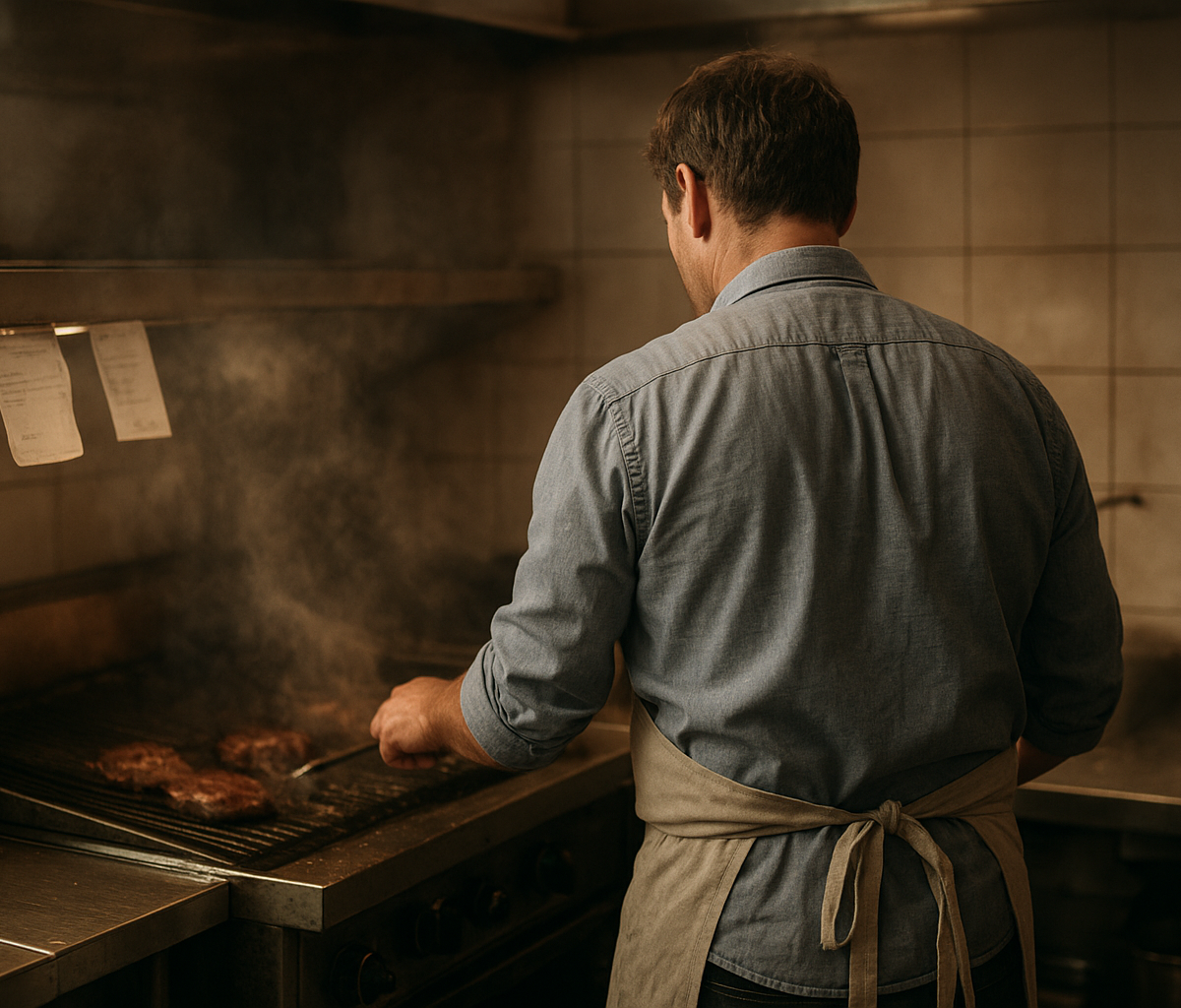
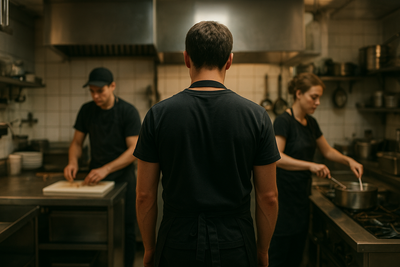
It usually starts with a text at the worst possible time. A line cook is sick. Prep is half done. Lunch starts in 90 minutes. The manager looks at the schedule, makes two quick calls, gets no answer, ties on an apron, and jumps on the line.
Service gets through. Tickets go out. Guests may never notice. But the real damage shows up later, in the ordering that did not get done, the inventory count that got skipped, the interview that had to be pushed, and the schedule that gets written at midnight. The manager-as-hero model keeps a shift alive, but it quietly weakens the operation.
Why manager shift coverage becomes the default
In many restaurants, the manager becomes the backup plan because it feels faster than solving the root problem. A callout creates immediate pressure. The dining room still opens. The prep list still needs to be finished. In that moment, stepping in seems responsible.
The problem is that repeated emergency coverage turns a short-term fix into a staffing system. Once the team assumes the manager will always fill the gap, urgency drops. Cross-training gets delayed. Shift coverage expectations stay vague. Accountability softens around callouts and no-shows because the operation has a built-in safety net, and that safety net is management.
That arrangement is expensive, even when it does not show up clearly on a labor report.
The hidden labor cost of manager callouts
When a manager works the line, labor is not actually saved. It is simply moved. Leadership work still exists, but it gets pushed into overtime, postponed until the next day, or ignored altogether. Ordering mistakes lead to rush deliveries. Inventory delays create waste and stockouts. Hiring slows down. Training becomes reactive instead of planned.
There is also a quality cost. A manager covering sauté may be competent on the station, but that same manager is no longer watching ticket times across the kitchen, checking in on the host stand, handling a guest complaint early, or coaching a new dishwasher before a small problem turns into a walkout.
A restaurant does not lose only a cook when a cook calls out. It often loses its floor leader too.
Callout management without sacrificing leadership
Strong operations treat callout management as a system, not a personal favor chain. That means having clear rules for who can be contacted, how openings are offered, and how quickly responses are collected. It also means maintaining an up-to-date list of employees who are trained for specific stations and are eligible for extra hours.
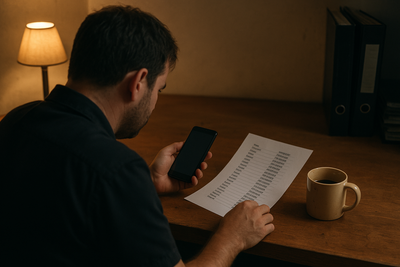
Some operators still rely on group texts and manual phone trees. That can work in small teams, but it breaks down fast on busy days. Delays matter. So does fairness. If the same two people always get asked first, resentment builds. If coverage requests go out inconsistently, staff stop taking them seriously.
Tools like Truvex fit into this gap by letting managers send one callout request to qualified off-duty workers at once, then choose from the employees who accept. The practical value is simple. The manager stays in the manager role while the team, not the boss, provides the backup.
Scheduling and cross-training that reduce no-show chaos
Better shift coverage starts before the callout happens. Restaurants that handle absences well usually have three habits in place. They cross-train enough staff to avoid single points of failure. They build schedules with realistic depth on critical stations. And they make it normal for employees to pick up extra shifts without drama or side deals.
Cross-training does not mean everyone can do everything at full speed. It means the operation knows where it is vulnerable and closes those gaps on purpose. If only one person can open pantry, the schedule is already fragile. If only the manager knows how to receive deliveries correctly, the operation is one bad morning away from a mess.
There is also a cultural piece. Teams become more resilient when picking up a shift is seen as a legitimate opportunity, not a punishment. Workers are more likely to help when the process is transparent, the expectations are clear, and the extra shift is offered fairly.
Burnout is not a leadership strategy
Restaurants often praise managers who do everything. The one who closes, opens, covers grill, writes the schedule, and still answers vendor emails gets called dependable. In reality, that pattern is often a warning sign. A manager who is constantly pulled into hourly coverage cannot lead consistently, and eventually cannot sustain the pace either.
Burnout in hospitality rarely arrives as one dramatic collapse. It shows up as slower decisions, shorter patience, missed details, and rising turnover on teams that feel unmanaged even when the manager is physically present. Being everywhere is not the same as leading well.
The stronger model is less heroic and more durable. Build real coverage systems. Train wider. Protect management time like it matters, because it does. A restaurant that depends on the manager to save every shift is not fully staffed, no matter what the schedule says.