July 30, 2026
Friday Night Bartender No-Show Fix
Learn how bars handle peak-hour callouts without wrecking service, labor cost, or drink quality during the busiest shift of the week.
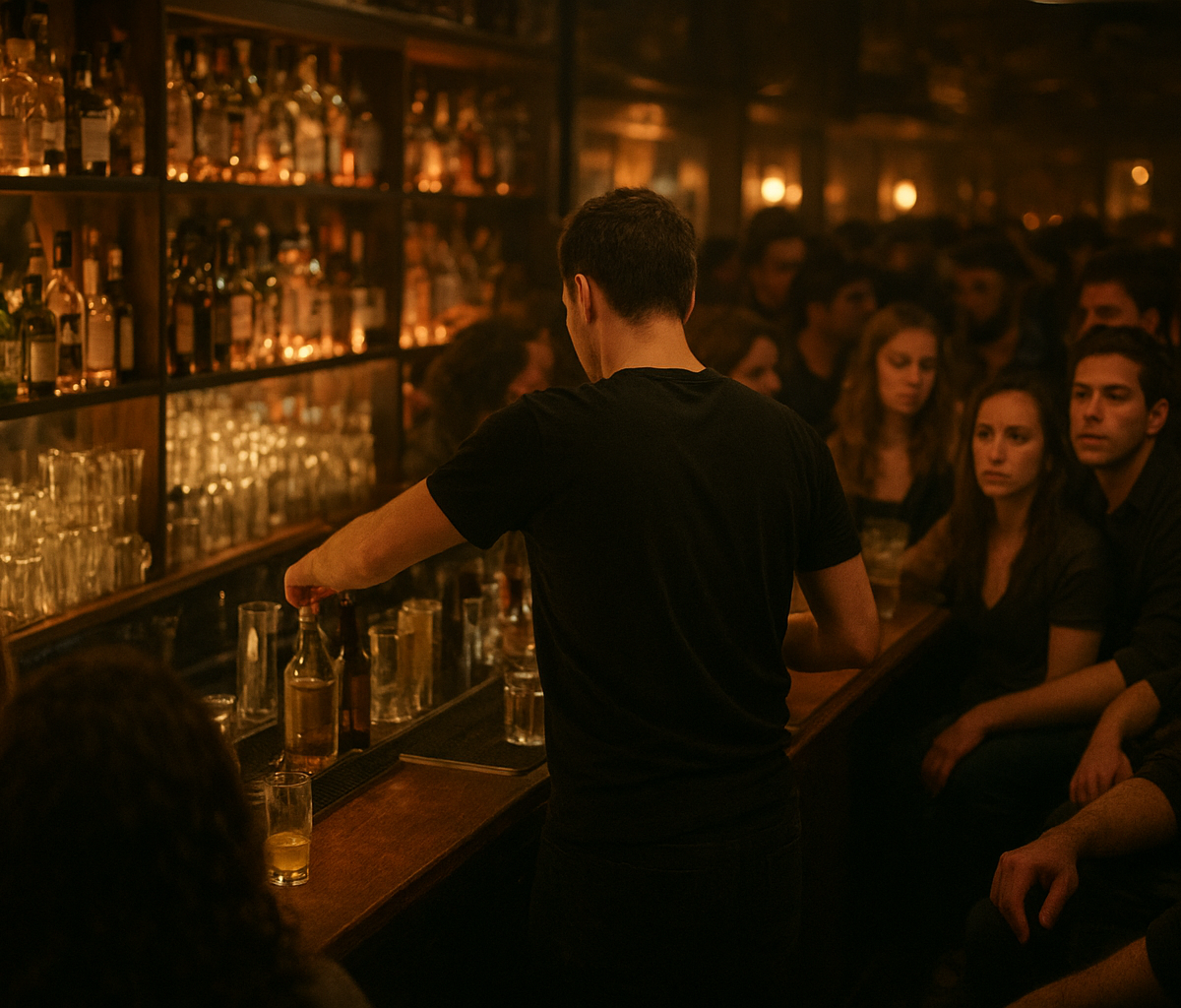
At 9 p.m. on a Friday, the bar is three tickets deep, the rail is full, and the closer sends a text: not coming in. That is the moment when a profitable night can turn into a backlog of unmade drinks, comped tabs, and frustrated guests leaning over the service well. A bartender no-show during peak hours is not just a staffing problem. It is a speed problem, a quality problem, and very quickly, a revenue problem.
Bars that survive these moments usually do not survive because the team works harder. They survive because the operation already has a plan for what happens when someone disappears at the worst possible time.
Peak-hour callout damage starts fast
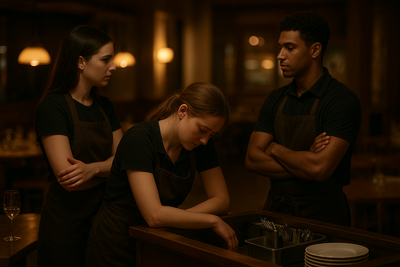
When one bartender drops off a busy close, the impact spreads in minutes. The strongest bartender gets pinned to the well. Another has to cover more guest interaction while also building drinks. Barbacks start getting pulled into tasks they are not fully trained to handle. Servers stop checking on tables because they are waiting on cocktails. Guests who might have ordered a second round decide not to bother.
The first failure is usually ticket time. The second is consistency. Once bartenders are rushing, pours get sloppy, garnishes disappear, and simple communication breaks down. Managers often focus on filling the missing shift, but the immediate priority is protecting the bar from operational drift.
Shift coverage depends on a real callout system
Many bars still handle emergency shift coverage through one manager scrolling contacts and sending individual texts. That works at 2 p.m. on a Tuesday. It breaks down at 9 p.m. on a Friday, when every minute matters and no one has time to chase replies.
Stronger operators build a callout system before they need it. That usually means maintaining a current list of qualified off-duty bartenders, part-timers, and cross-trained floor staff who can step in with minimal explanation. It also means setting clear expectations about who is eligible for emergency pickup and how those alerts go out.
Some teams now use tools like Truvex to broadcast a callout to all qualified off-duty workers at once by SMS and push notification, instead of relying on one-by-one outreach. In a bar setting, that speed matters. A bartender across town who wants the hours can respond immediately and still make it in time to salvage the back half of the rush.
What the manager should do in the first 10 minutes
The first response should be structured, not emotional. Anger can wait. The floor cannot. A manager dealing with a bartender no-show during peak service generally has three jobs right away: trigger shift coverage, simplify the menu where needed, and reposition the team already in the building.
If the cocktail program is complex, this is the time to temporarily narrow execution. Push high-volume drinks. Pause low-selling labor-heavy items if necessary. Move the most accurate bartender to the highest-output station. Use a barback or server assistant to handle water, glassware, garnishes, ice runs, and basic resets so trained bartenders stay on drinks.
Guests will tolerate a wait better than they will tolerate confusion. Clear communication from the floor matters. A host or server who tells guests the bar is backed up but moving is doing more for retention than silence ever will.
Scheduling for bar no-shows before they happen
Peak-hour resilience starts in the schedule, not in the crisis. Bars with chronic Friday callout problems often have a deeper issue, usually overreliance on one closer, weak cross-training, or a roster with too few people who can handle volume independently.
A smart schedule builds overlap into the danger zone. That does not always mean adding labor all night. It can mean staggering a swing bartender through the heaviest sales window, keeping one on-call person for major event nights, or cross-training a strong server who can handle beer, wine, and simple mixed drinks if the bar gets hit.
Labor cost still matters, obviously. But there is a difference between controlling labor and underprotecting the busiest hours of the week. One missing bartender during peak service can cost more in lost sales and guest fallout than a carefully planned overlap ever will.
After the no-show, fix the system
Once the night is over, the review should be blunt. How long did it take to send coverage requests. Who responded. Which station failed first. What drinks slowed the line. Whether the team had enough authority to cut complexity on the fly. If the same names keep calling out on the same nights, that is no longer random. It is a staffing pattern.
Bars do not eliminate callouts. This business is too human for that. People get sick, disappear, burn out, or make bad decisions. The difference is whether the operation treats a Friday night no-show like a freak event or like a predictable stress test. The bars that hold up under pressure are usually the ones that planned for the text message before it ever arrived.