June 23, 2026
Why Phone Trees Fail Shift Coverage
Phone trees waste time when callouts hit. Learn why old staff call chains break down and what faster shift coverage looks like now.
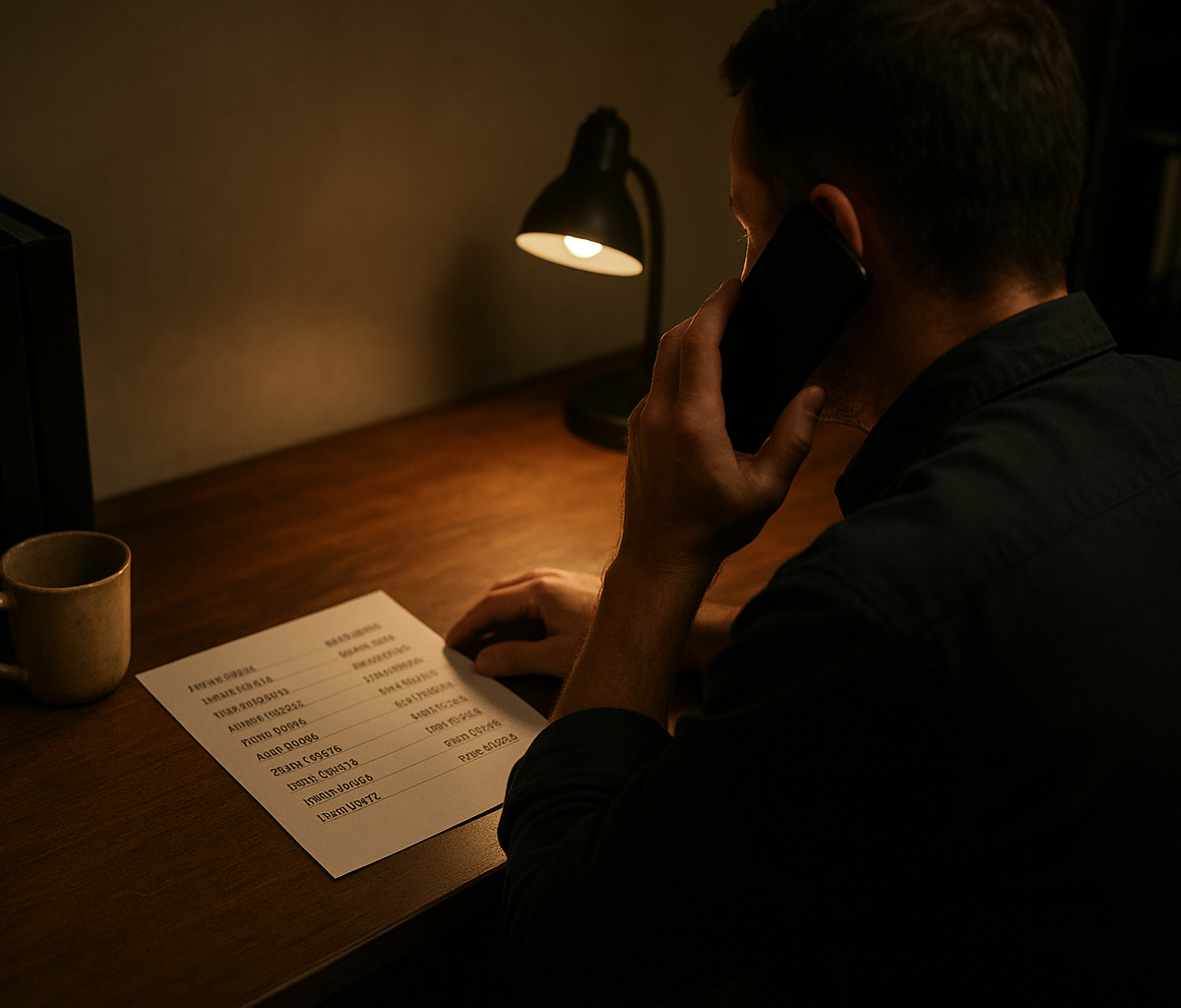
It is 5:12 p.m., the fryer is already down one basket, and a line cook has just called out. The old routine starts immediately. Pull up the staff list. Call the first person. No answer. Leave a voicemail. Call the next. Then the next. By the time someone finally texts back, the dinner rush is already on the rail. This is how a short staffing problem turns into a service problem.
For years, the phone tree was treated as standard operating procedure. It made sense when landlines were common, caller ID was limited, and employees were more likely to pick up an unexpected call. That world is gone. In most restaurants and hospitality operations, sequential calling now creates delay, confusion, and unnecessary labor stress at the exact moment speed matters most.
Phone tree callout coverage wastes the manager's busiest hour
A callout rarely happens at a convenient time. It lands during prep, before a banquet setup, or right as the host stand starts backing up. In that moment, a manager is supposed to be directing service, handling guests, checking stations, and keeping labor under control. Spending 30 to 45 minutes calling down a list is not just inefficient, it pulls leadership off the floor when the operation needs it most.
That lost time has a cost. Tickets slow down. Breaks get skipped. Strong employees get stretched thin and start making mistakes. The problem is not only that the phone tree is slow. The problem is that it demands one person's full attention during the worst possible window.
Unknown numbers and voicemail kill no-show response time
Most workers do not answer calls from numbers they do not recognize. That is not disrespect. It is normal phone behavior now. Many employees also keep phones on silent during errands, childcare, classes, or second jobs. Even when a manager leaves a voicemail, there is no guarantee it gets heard quickly, or at all.
Sequential calling depends on immediate responses from people who are off the clock and living their lives. That assumption breaks down fast. One missed call becomes five. Five becomes a half hour. Meanwhile, the shift still needs coverage.
Sequential staff lists break with one weak link
The biggest flaw in a phone tree is structural. It moves one person at a time, in a fixed order. If the first few people do not answer, the whole process stalls. If a manager gets interrupted by a vendor, a guest complaint, or a void at the register, the chain stalls again. If a worker says maybe and asks for ten minutes, now the manager is stuck waiting instead of moving forward.
This is why old call chains feel so fragile. They rely on too many handoffs, too much memory, and too much patience. Restaurants do not run well on any of those during a rush.
Shift coverage gets messy when replies come in late
Another common problem is delayed overlap. A manager finally reaches someone and moves on, assuming the answer is no. Then two voicemails get returned twenty minutes later. A text comes in from another employee after the shift has already been patched together. Suddenly there are multiple people asking whether the shift is still open, who is approved for overtime, and whether anyone else has already been chosen.
That confusion creates friction. Employees feel ignored when they respond and hear nothing back. Managers waste more time clarifying details that should have been obvious from the start. A better system makes the opening visible to all qualified workers at once, then lets management choose from actual responses in real time.
Modern scheduling needs simultaneous callout notifications
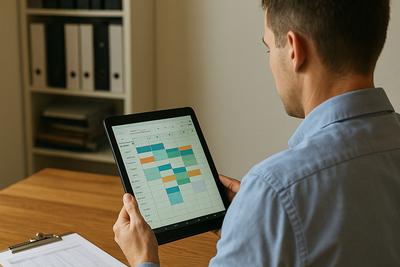
The practical replacement for the phone tree is simple. Notify every qualified off duty employee at the same time, through channels they are likely to see quickly. In most operations, that means a combination of app alerts and SMS. Instead of hoping one person answers in sequence, management gets a faster read on who is available now.
This approach also creates cleaner decision making. The manager can compare responses, confirm the best fit for the shift, and close the loop with everyone else. Tools like Truvex are built around that reality, sending simultaneous push and SMS notifications rather than forcing managers to work through a call list one number at a time. The point is not the app itself. The point is removing delay from a process that has already outlived its environment.
Restaurants have changed. Phone habits have changed. Labor pressure has definitely changed. Yet many teams still handle callouts with a system designed for another era. When one sick call can put an entire shift at risk, speed is not a luxury. It is basic operations.
The phone tree had a long run. It is just no longer built for how hospitality actually works now.