June 4, 2026
Why Clopening Shifts Cost More Than They Save
Clopening shifts drive fatigue, turnover, and legal risk. Learn safer scheduling fixes that protect sleep, retention, and shift coverage.
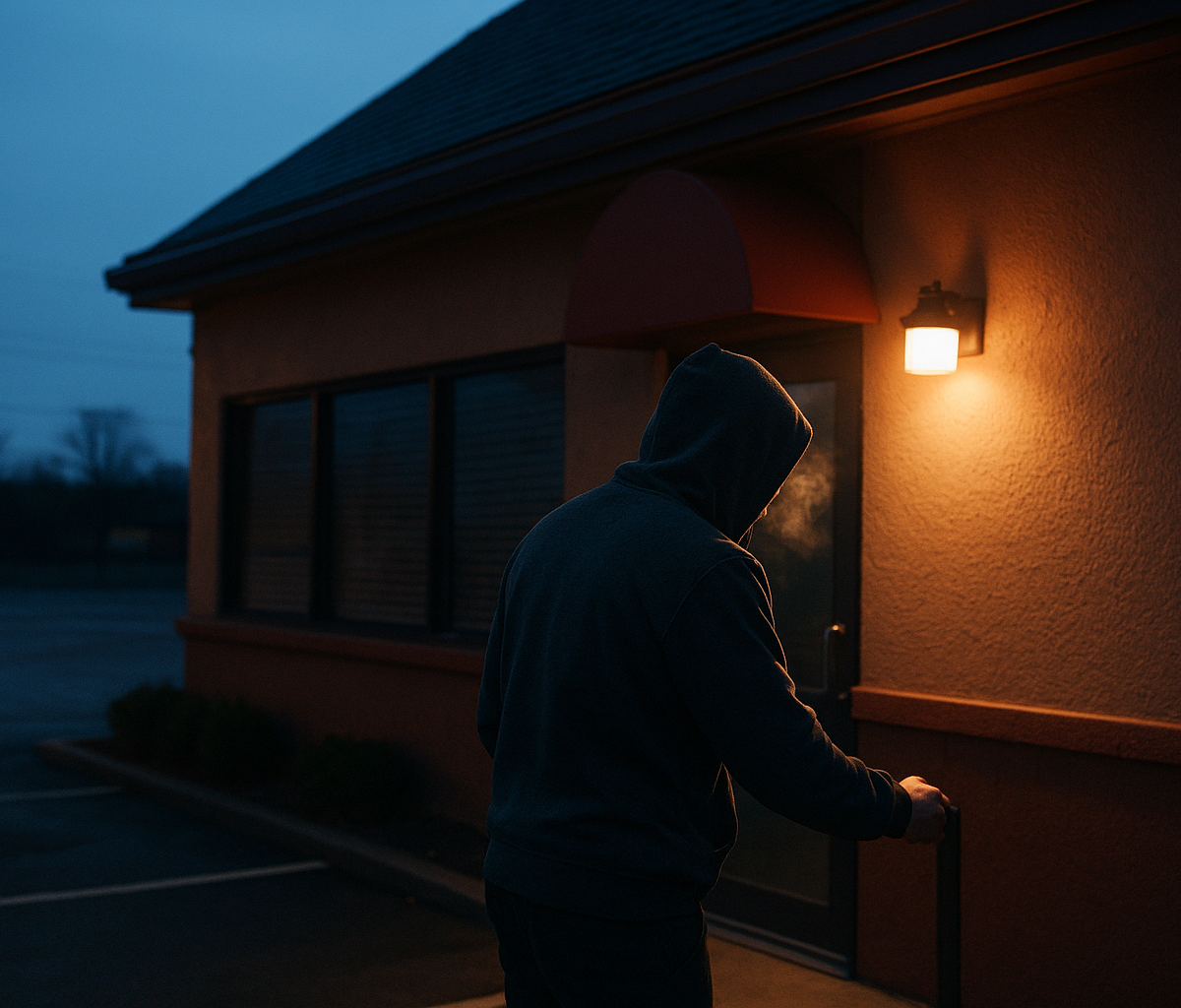
The dining room closes at midnight. Chairs go up, cash gets counted, the line gets broken down, and the last employee walks out well after 1:00 a.m. A few hours later, that same person is back to unlock the door for a 6:00 a.m. open. On paper, it looks like a staffing solution. In practice, it is a fatigue problem dressed up as scheduling.
Clopening, the back-to-back close and open, has been normal in restaurants, bars, hotels, and cafes for years. It survives because managers are trying to solve a real problem: too many shifts, not enough reliable people, and constant pressure to control labor cost. But the short-term fix creates long-term damage. Staff know it. Increasingly, regulators do too.
Why clopening shifts burn out good staff
A seven-hour gap between shifts is not seven hours of rest. Commute time, showering, eating, and trying to wind down after a busy close all cut into that window. What is left is often four to five hours of sleep, sometimes less. The next morning starts with grogginess, slower reaction time, and the kind of irritability that spreads fast during a rush.
In hospitality, fatigue is not just a morale issue. It affects knife safety, cash handling, guest interactions, food quality, and pace of service. A tired opener misses prep details, forgets a delivery note, or snaps at a coworker over something minor. By lunch, the whole shift feels heavier than it should. Managers may think they saved a schedule by forcing a clopen, but they often pay for it in mistakes, comped items, and avoidable tension.
Workers also remember who gets stuck with these shifts. If the same reliable people are always asked to absorb the pain, resentment builds quickly. That is often how strong employees become flight risks. They do not always quit over wages alone. Sometimes they leave because the schedule makes normal sleep impossible.
Clopening legal risk is getting harder to ignore
Fair workweek laws and predictive scheduling rules have pushed clopening into a legal conversation, not just an operational one. In some cities and jurisdictions, employers face restrictions on scheduling employees with too little rest between shifts, or they must pay premiums when those schedules happen. Rules vary by location, but the direction is clear. Exhausting schedules are attracting more scrutiny.
Even where no local law bans clopening outright, the liability question remains. If an exhausted employee is injured on the job, drives home half-asleep, or makes a serious safety mistake, the schedule itself can become part of the story. Managers do not need a regulation on the wall to know that asking someone to close and return before sunrise is a bad habit.
Better scheduling options than the clopen
The most effective fix is simple in theory and hard in practice: build schedules that protect a minimum rest window. Many operators aim for at least 10 to 12 hours between shifts when possible. That does not solve every staffing problem, but it sets a clear standard. Once that line exists, managers stop treating exhausted coverage as normal.
It also helps to separate opening and closing reliability across a wider bench. Too many operations rely on one or two people who can supposedly do everything. That works until those people burn out. Cross-training more staff on opening tasks, prep routines, cash procedures, and basic leadership duties gives the schedule more flexibility without leaning on the same names every week.
Another common fix is to treat shift coverage as a system, not a scramble. When an opener calls out because the previous night's close ran late, the answer should not automatically be asking that same exhausted person to push through. Some teams use tools like Truvex to broadcast the opening shift to qualified off-duty workers by push notification and SMS, giving managers another path to coverage that does not depend on creating a clopen in the first place.
No-show prevention starts the night before
Many clopening problems are predictable. A slammed close, a late delivery, or an event night often means the morning opener is already at risk. Good managers look ahead and make the call early. That might mean trimming nonessential closing tasks, assigning a different opener before the shift even ends, or using a coverage platform before the callout becomes a no-show.
That matters because the real cost of clopening is not just fatigue. It is instability. Tired employees call out more often, recover more slowly, and are more likely to leave. Then the schedule gets tighter, and the cycle repeats. A tool like Truvex can help in those moments by reaching rested staff who are actually available, but the larger lesson is operational. Coverage should come from depth, not exhaustion.
Shift coverage that does not punish reliability
Restaurants and hospitality businesses will always have rough weeks, surprise callouts, and ugly schedules. That part is not changing. What can change is the assumption that dependable employees must absorb every gap, no matter the impact on sleep and safety.
Clopening survives in places that treat fatigue as part of the job. Stronger operations see it for what it is, a scheduling debt that eventually comes due in turnover, mistakes, and risk. The businesses that hold onto good people longest are usually the ones that stop borrowing against tomorrow morning.