July 19, 2026
How to Survive a Short-Staffed Saturday Rush
Learn how managers handle mass callouts fast, from shift coverage and menu cuts to guest communication and morale under pressure.
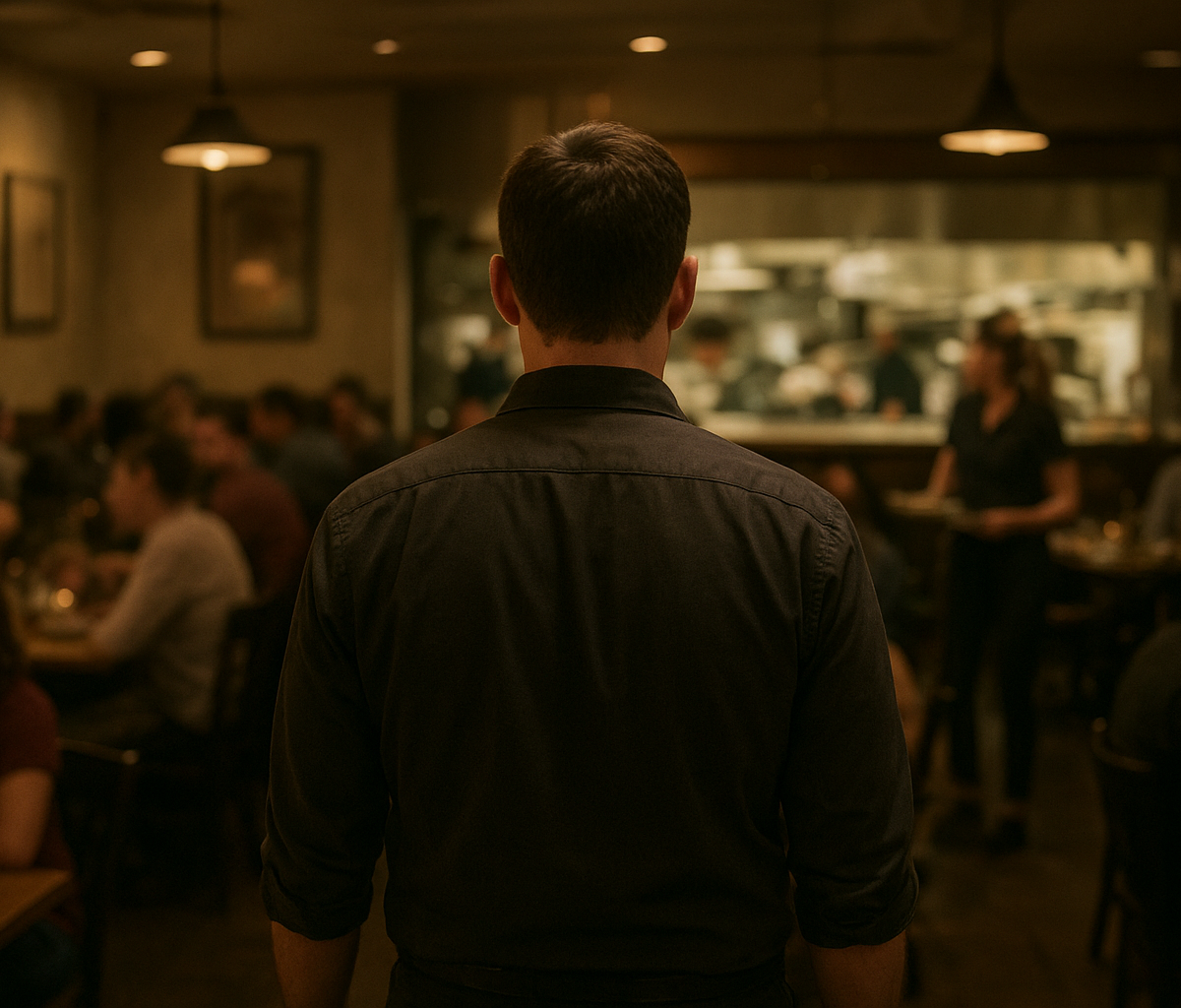
It usually starts around 3:30 p.m. Two texts come in back to back. One server has a fever. A line cook is stuck an hour away. Then the dishwasher calls. By 4:00, a normal Saturday night has turned into a staffing problem that can wreck service, burn out the team, and drag next week down with it.
At that point, the job is not to save the original plan. The original plan is gone. The job is to reduce damage, protect the shift, and make sure the people who did show up can still function by the time the last table closes out.
Start with shift coverage before panic takes over
The first move is simple. Try to fill holes fast, before the floor starts improvising bad solutions. Calling people one by one wastes time, especially when multiple positions are open at once. Many operators now use group-based shift coverage tools so all qualified off-duty staff see the opening immediately. Truvex is one example, sending open shifts out by push notification and SMS so managers can get responses within minutes instead of chasing texts during prep.
Even partial coverage matters. Replacing two missing people out of four changes the whole night. It may be the difference between cutting sections and keeping the dining room open, or between running one cook on fry and having enough support to keep tickets moving.
If nobody picks up, the manager still has an answer quickly. That matters too. False hope burns time.
Callout triage means protecting the bottlenecks
Not every missing role carries the same risk. The first question is where the shift will actually break. In many restaurants, the bottleneck is not the host stand or the expo rail. It is the station that controls ticket times, dish flow, or table turns.
If the kitchen is down a cook, combine stations in a way that protects the highest-volume items. If the floor is short servers, tighten sections and move a stronger lead onto the busiest zone. If support staff are missing, managers often need to choose between slower resets and slower food production. Usually, guests will tolerate a dirty water glass longer than a 45-minute entree ticket.
This is also the moment to pull the strongest people into the hardest jobs. Saturday night is not the shift for equal rotation. It is the shift for survival.
Simplify the menu before the rush gets ugly
One of the most common mistakes in a no-show situation is trying to run the full menu with half a team. That usually ends with long ticket times, inconsistent plates, and comps that cost more than the dishes ever made.
A reduced menu is often the cleaner choice. Cut items that require extra pickup steps, specialty garnishes, separate mise en place, or long cook times that clog the line. Keep the dishes that travel well through the kitchen and can be executed consistently by a thinner crew.
Front-of-house needs the update in plain language. Not a vague warning. A clear script. Which items are off, what the realistic wait time is, and what to recommend instead. Guests handle bad news better when it sounds organized.
Guest communication can save service
Most guests can forgive a delay. What they do not forgive is confusion. If wait times are stretching, the host should say so before seating. If the kitchen is backed up, servers should reset expectations early instead of disappearing and hoping the food lands soon enough to smooth things over.
Managers who stay visible on the floor usually limit the damage. A quick touch at a delayed table, an honest apology, and a direct explanation often prevent a complaint from turning into a scene. People can tell when a team is working hard. They can also tell when nobody is in charge.
Keep morale from collapsing during a short-staffed shift
The staff who came in are watching closely. If management looks frantic, blames the missing crew, or keeps changing direction every ten minutes, morale drops fast. The better approach is blunt and steady. Here is the plan. Here is what is cut. Here is who owns what. Then stick to it unless the facts change.
Small decisions matter. Send water to the line. Cover a bathroom check instead of asking a slammed server. Thank people in real time, not with a speech after close. If someone is drowning, move help early. By the second crash, it is already late.
After service, make notes while the night is still fresh. Which station failed first. Which menu items should have been cut sooner. Which backup staff actually responded. This is how a bad Saturday becomes a better system instead of just another war story.
Short staffing never feels fair, and Saturday night rarely gives much room for recovery. But in most cases, the difference between a disaster and a rough but manageable shift comes down to speed, clarity, and the willingness to abandon the ideal plan before it takes the whole service down with it.