July 16, 2026
Black Friday Staffing When Callouts Hit
See how retailers handle Black Friday callouts, labor law pressure, and last-minute shift coverage before peak traffic turns into lost sales.
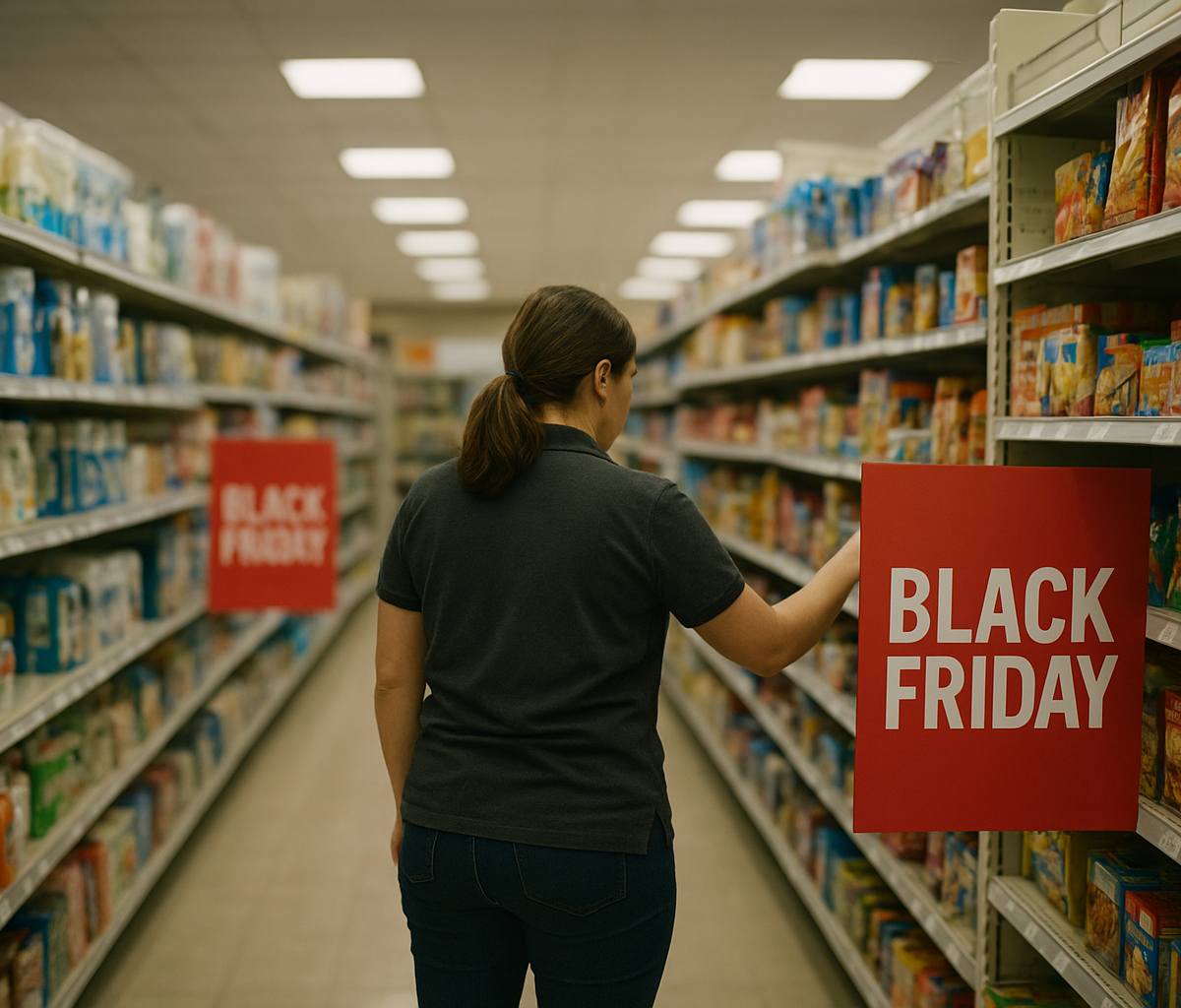
At 4:07 a.m., the text comes in. A cashier scheduled for the 5 a.m. door-buster shift is sick. Another associate is stuck out of town after Thanksgiving. The line outside is already forming, the truck was late the night before, and the opening manager is now doing math that never works out cleanly. On Black Friday, a single callout can ripple across the whole floor within minutes.
That is what makes Black Friday staffing different from an ordinary busy weekend. The margin for error is smaller, customer expectations are higher, and labor decisions made before sunrise can shape the entire day. Large chains may have deeper benches and centralized labor planning, but independent retailers feel the same pressure with fewer backup options. Either way, when coverage breaks down at peak traffic, the damage shows up fast, in checkout lines, empty fitting room stations, poor recovery, and missed sales.
Why Black Friday shift coverage fails
Most staffing problems on Black Friday are not caused by one bad employee or one weak schedule. They come from stacked risk. Associates want time with family. Travel plans run long. Child care falls through. Seasonal hires are still learning the floor. Some workers agree to early shifts weeks in advance, then realize too late what a 3:30 a.m. alarm actually means.
Retailers usually respond by overscheduling key functions, especially front end, replenishment, and curbside or pickup operations. That helps, but only to a point. Too much padding drives labor cost up before the day even starts. Too little padding leaves managers scrambling. The strongest operators build schedules around failure points, not ideal conditions. They assume at least one callout, one late arrival, and one area of traffic that outperforms the forecast.
Black Friday callout response needs speed
When a no-show or callout happens on a normal Tuesday, there may be time to work the phones. On Black Friday, there usually is not. The first hour matters most, and manual outreach is slow. One manager texting five people one by one while also opening the building, handling tills, and directing setup is not a system. It is triage.
Retailers that handle this well tend to keep a current bench of cross-trained employees who can step into basic selling, register, stock, or fulfillment roles with little notice. They also use clear callout protocols. Who gets contacted first. How long to wait for a response. Which roles are truly critical. What can be collapsed or delayed if coverage does not come through.
Some managers now use tools like Truvex to send a real-time opening to qualified off-duty staff by push notification and SMS instead of chasing replies individually. That approach does not eliminate the callout, but it can shorten the gap between problem and coverage, which is what matters before doors open.
Scheduling and predictive scheduling law pressure
The holiday rush also creates a compliance problem. In cities and states with predictive scheduling laws, last-minute changes can trigger reporting pay, premium pay, or documentation requirements. Retail managers cannot assume that every emergency adjustment is harmless just because the store is slammed.
That is where many operations get exposed. A supervisor asks someone to stay late, move locations, or come in early without checking the local rule set. The immediate staffing issue gets solved, but payroll and compliance headaches show up later. During peak season, best practice is simple. Keep scheduling policies visible, train managers on what counts as a covered change, and document every adjustment made on high-volume days. Fast decisions still need a paper trail.
Protecting labor cost without undercutting coverage
Black Friday staffing is always a balancing act between service and labor cost. Too much labor hurts the week. Too little labor hurts the day. The stores that manage this best do not treat every hour the same. They concentrate coverage around door opening, mid-morning replenishment, and checkout surges, then taper where traffic data supports it.
They also separate core roles from nice-to-have roles. If the floor is short, visual resets can wait. If lines are building, a strong seller may need to jump to register. This is not elegant, but it is practical. Peak-day staffing plans should be built for controlled disruption, because disruption is the norm.
What major retailers and independents both get right
The scale may differ, but the strongest retail operators share a few habits. They confirm availability early. They cross-train more people than they think they need. They identify backup staff before the schedule is posted. They make sure opening managers have authority to solve a problem fast, not after three approval calls.
Independent stores often do one thing especially well, they know exactly which employees can handle pressure. Big retailers often do one thing better, they rely on process instead of memory. Black Friday demands both. Local knowledge matters, but repeatable systems matter more when the day starts going sideways before dawn.
Every retailer talks about holiday readiness in terms of inventory, promotions, and traffic forecasts. Staffing deserves the same level of discipline. On the busiest shopping day of the year, coverage is not just an HR issue. It is operations, compliance, customer experience, and revenue, all before breakfast.