September 20, 2026
What Owners Miss About Restaurant Staffing
A grounded look at callouts, burnout, and shift coverage, with practical lessons owners can use to build a steadier restaurant team.
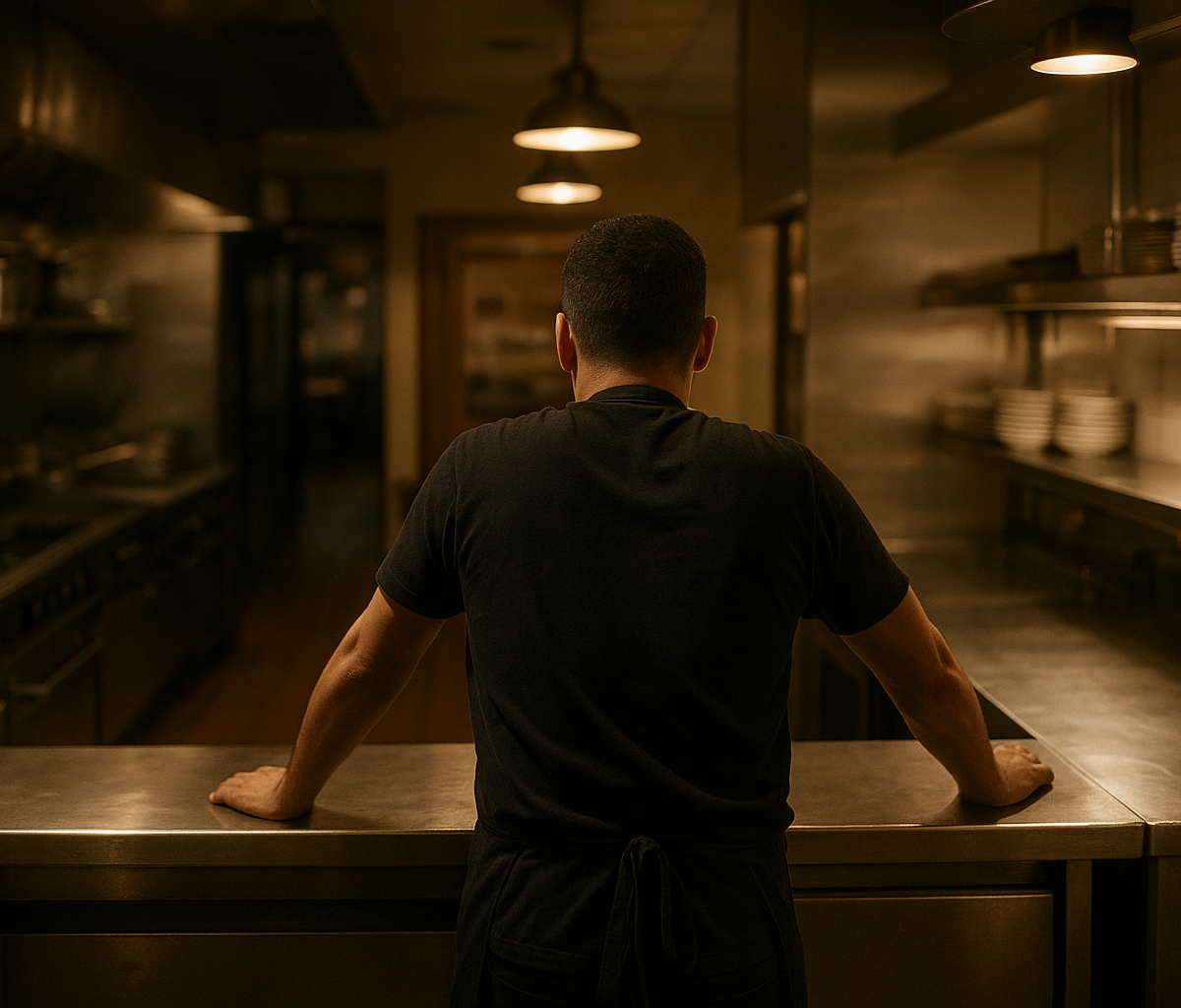
It is 4:07 p.m. on a Friday. A line cook texts that they are sick. The prep list is half done, reservations are stacked, and one manager is already reaching for the phone to start the usual routine, calling one employee after another and hoping somebody answers. In restaurants, that moment is not rare. It is part of the job. What matters is how ownership chooses to understand it.
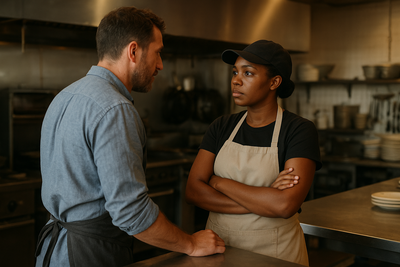
Too many staffing decisions still start from a bad assumption, that a callout is a personal failure or a sign that people do not care. In most cases, it is neither. People get sick. Child care falls through. Cars break down. Life hits hardest when a shift-based business can least afford it. Treating every absence like betrayal usually creates the exact culture operators say they do not want, defensive staff, hidden problems, and burnout that spreads from the schedule to the floor.
Callouts are part of restaurant staffing, not a moral issue
Restaurants often talk about reliability as if it is purely a character trait. In practice, reliability is also a system. A team becomes more dependable when the operation gives people realistic schedules, enough notice, fair expectations, and a way to report problems without getting punished for being honest.
That does not mean every absence is acceptable. Chronic no-shows still damage a business and force stronger employees to carry the load. But there is a difference between accountability and resentment. Good operators know the difference. They track patterns, address repeat behavior quickly, and avoid turning one bad shift into a workplace culture built on suspicion.
Shift coverage breaks down when the same people always save service
Every restaurant has them, the people who always say yes. They pick up doubles, cover callouts, stay late, and hold the place together. For a while, management may see them as the solution. In reality, they are often the warning sign. When the same few employees are constantly rescuing the schedule, the operation is borrowing stability from their energy and patience. That debt eventually comes due.
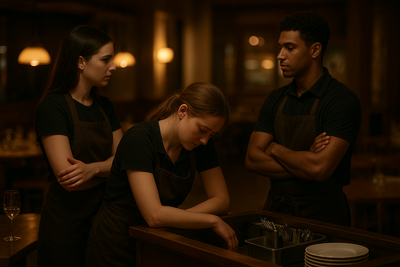
Burnout in hospitality rarely arrives with a dramatic speech. It shows up as slower ticket times, short tempers, more mistakes, and eventually a two-week notice from somebody everyone thought would never leave. Owners who want better retention should look closely at who is always covering and why the system depends on them.
Scheduling flexibility matters more than owners sometimes admit
Many workers want hours. Many also need flexibility. Those facts are not in conflict. The strongest teams are often built in places where staff can pick up extra work when they want it and step back when real life demands it. That flexibility is not softness. It is one of the few practical ways to keep good people in an industry known for uneven schedules and constant pressure.
Technology can help here, if it is used to support the operation rather than control it. Tools like Truvex address a very specific pain point, the last-minute callout that turns one manager into a 45-minute phone tree. Instead of chasing replies one by one, qualified off-duty staff can be notified at once and the manager can choose from those who accept. The point is not to remove the human side of hospitality. It is to protect it by taking some chaos out of the worst moments.
Labor cost and staffing are not separate problems
Owners often treat labor cost as one conversation and staffing stress as another. On the floor, they are the same conversation. Poor coverage leads to rushed service, comped meals, manager overtime, and turnover. Understaffing may look efficient on paper right up until the dining room backs up and the kitchen starts making expensive mistakes.
A steadier staffing model usually comes from simple habits done consistently, cleaner availability records, cross-training where it actually makes sense, and faster ways to fill open shifts before panic sets in. Some operators handle this with tighter internal communication. Others use scheduling and shift coverage tools, including platforms like Truvex, because speed matters when service is hours away.
Restaurant owners set the tone for every no-show and every save
Staffing culture starts at the top. If ownership treats every problem as proof that nobody wants to work, the team will hear that message clearly. If ownership treats staffing as an operational design issue, something to plan for, measure, and improve, the whole building runs differently.
The restaurant industry has always depended on people showing up for each other. That part does not need to change. What needs to change is the idea that chaos is normal and burnout is just the price of doing business. A better staffing culture is not built on wishful thinking. It is built on systems that respect the reality of the work and the people doing it.