October 29, 2026
Overnight Shift Coverage After 10 PM
Learn how hotels and 24/7 operators handle late-night callouts, protect security, and fill overnight shifts before the front desk goes dark.
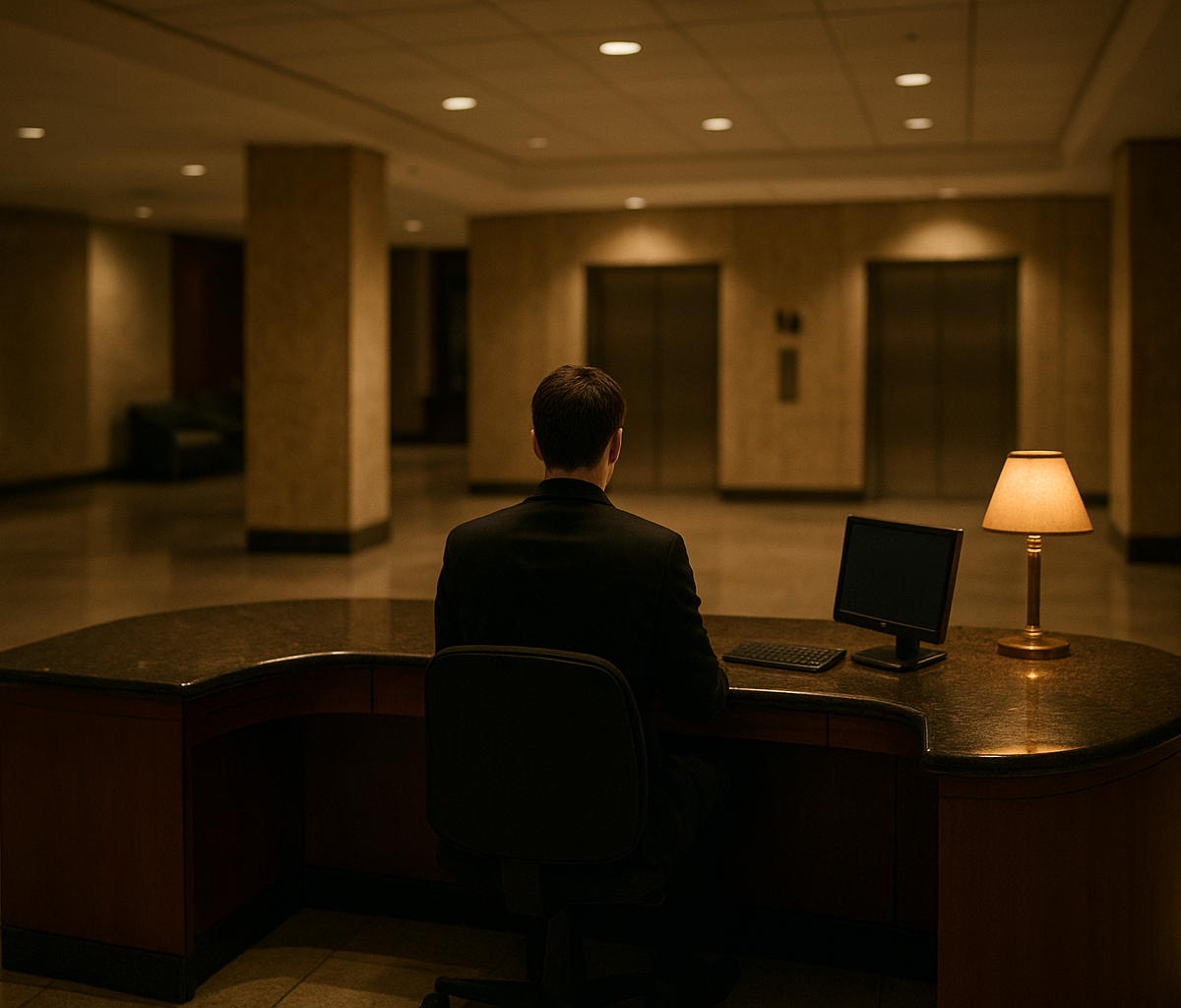
At 10:07 PM, the overnight front desk agent calls out sick. The evening shift is already trying to close out arrivals, housekeeping has gone home, and the night audit still has to be run. If nobody steps in, the problem is not just service. It is security, guest safety, cash handling, emergency response, and the basic fact that a hotel cannot leave the desk empty after midnight.
That same pressure shows up in hospitals, senior care, convenience retail, and any other operation that stays open while most of the labor market is asleep. Overnight shifts are harder to fill for obvious reasons, but they are also more consequential to miss. A lunch rush can be ugly. An uncovered overnight shift can become an incident report.
Why overnight callouts hit harder
Most properties run lean overnight by design. There may be one front desk agent, one security person, and limited management on site. That keeps labor cost under control, but it also removes margin for error. When a daytime employee calls out, there may be cross-trained staff nearby, supervisors in the building, or enough traffic to justify pulling someone from another station. At 2 AM, those options shrink fast.
The overnight role also carries tasks that cannot simply be postponed. Late arrivals still show up. Noise complaints still happen. Fire alarms, lockouts, intoxicated guests, maintenance issues, and payment disputes do not wait for the morning team. In healthcare and 24/7 retail, the stakes can be even more direct. Medication rounds, patient observation, age-restricted sales, and lone-worker safety all depend on an actual person being present and alert.
Shift coverage starts before the no-show
The strongest overnight coverage plans are built long before the phone rings. Managers who consistently fill late callouts usually know exactly which employees are cleared for solo overnight work, who prefers night shifts, who lives close enough to respond quickly, and who is already approaching overtime. That information matters more at 10 PM than a perfect schedule template ever will.
A practical bench often includes part-time workers who want differential pay, day staff willing to rotate occasional nights, and supervisors trained to bridge a gap for a few hours if needed. Cross-training matters here. A front desk shift is not just answering phones. It may involve handling walk-ins, balancing folios, dealing with OTA reservations, and knowing when to escalate a safety issue. Not every employee can be dropped into that chair cold.
How hotels handle a last-minute overnight callout
Speed matters, but so does order. The worst response is the old group text followed by a dozen side conversations and no clear record of who said yes first. Managers need a process that reaches qualified staff immediately, shows who is available, and avoids wasting time calling people who cannot legally or practically work the shift.
That is where notification method becomes operational, not cosmetic. Overnight workers are less likely to be sitting in a scheduling app refreshing messages. Dual-channel outreach, especially push notification plus SMS, gives managers a better chance of reaching people who are off duty and not staring at a screen. Tools like Truvex are built around that reality. A 10 PM callout can trigger a broadcast to qualified workers at once, including the night-owl employees who actually want the shift and the extra pay attached to it.
Even with technology in place, the rules should be clear. Who can accept. Who has final approval. How long the response window stays open. Whether split coverage is allowed until a full replacement arrives. Ambiguity burns precious minutes.
Scheduling for overnight reliability, not just labor cost
Many overnight coverage failures begin as budgeting decisions. A schedule that looks efficient on paper can be brittle in real life. If only one person in the building knows the audit process, or only one employee is trusted to close the cash drawer, the operation is one sick call away from trouble.
Smart scheduling for 24/7 operations usually includes some intentional redundancy. That does not always mean adding a full extra body. It can mean staggered shifts with overlap during the highest-risk handoff hours, a documented on-call rotation, or premium pay targeted specifically at the hardest-to-fill night slots. Paying a little more for reliable overnight staffing is often cheaper than the fallout from a vacant desk, a security lapse, or a burned-out manager covering until dawn.
Reducing turnover on the night shift
Overnight turnover is rarely just about sleep schedules. It often comes from isolation, unclear expectations, and the feeling that night staff only get noticed when something goes wrong. Properties that keep strong overnight teams usually treat those roles as specialized work, not leftovers nobody else wanted.
That means proper handoff notes, working equipment, visible management support, and a realistic recovery plan after difficult shifts. It also means tracking patterns. If the same overnight post keeps generating callouts, the issue may be workload, safety concerns, or poor training rather than a staffing shortage alone.
Overnight coverage will probably never be easy. The labor pool is smaller, the stakes are higher, and the clock is unforgiving. But in operations that never close, the difference between chaos and control usually comes down to one thing, whether there is a real system in place before the next 10 PM phone call comes in.