November 3, 2026
Why Phone Trees Fail for Shift Coverage
Phone trees waste time during callouts. Learn why faster shift coverage now depends on simultaneous alerts, clear rules, and better scheduling habits.
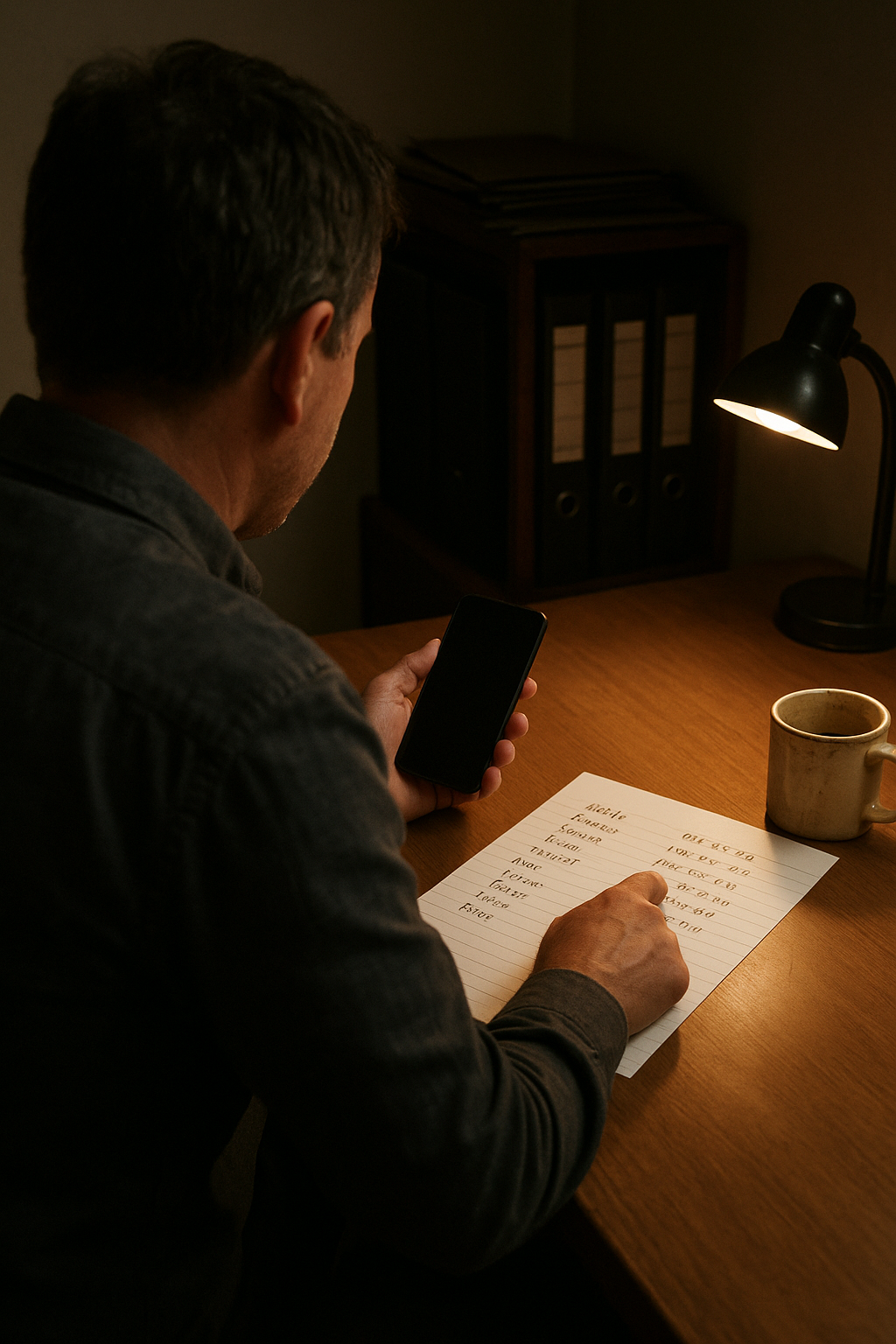
It usually starts at the worst possible time. A line cook calls out 90 minutes before dinner. The prep list is half done, deliveries are still being checked in, and a manager is standing by the office phone working through a staff list one name at a time. No answer. Straight to voicemail. Wrong number. Someone texts back 20 minutes later saying they can help, but only if the shift starts later. By then, the window to recover the shift is already closing.
The old phone tree was built for a different workplace. It assumed people answered calls, checked voicemail, and stayed reachable on one number. That is not how most hourly teams communicate now. In restaurants and hospitality, where timing matters more than almost anything, a sequential calling chain is often too slow to solve the problem it was meant to fix.
Callout response time matters more than ever
A callout is not just a staffing issue. It is an operations issue. Every minute spent chasing coverage is a minute not spent managing tickets, watching labor, handling guests, or supporting the team already on the floor. In a busy service window, 30 to 45 minutes spent making calls can do real damage.
That delay creates a second problem. The later coverage is found, the smaller the available pool becomes. Off-duty workers start making other plans, commuting becomes less realistic, and the backup options narrow fast. A slow response process turns a manageable absence into a full-shift scramble.
Why the phone tree breaks during a no-show
The biggest flaw in a phone tree is simple. It depends on one person responding before the next person can be contacted. If the first few workers do not answer, the entire chain stalls. One missed link slows everyone behind it.
That made more sense when landlines were common and households shared one phone. Today, unknown numbers are often ignored. Voicemail is rarely checked in real time. Text messages get seen faster than calls, and app notifications are often faster than both. A system based on sequential phone calls no longer matches how hourly staff actually communicate.
There is also the human factor. Managers under pressure do not always call in the same order, leave consistent messages, or track who has already declined. In the middle of service, details get missed. Someone gets called twice. Someone qualified gets skipped. The process becomes messy because the moment is messy.
Better shift coverage starts with simultaneous outreach
The most reliable callout systems now work the opposite way. Instead of contacting one worker at a time, they notify every qualified off-duty worker at once. That changes the math immediately. Ten possible replacements can review the same opening within minutes, and the manager can choose from actual responses instead of guesses and callbacks.
Multi-channel communication matters here. A push notification alone may be missed. A text alone may be buried. Using both increases the odds that the message is seen while the shift is still salvageable. This is where tools like Truvex fit into the workflow. Rather than forcing a manager to call down a list, the platform sends a single broadcast by push notification and SMS to qualified workers, then collects responses in one place.
The technology is useful, but the broader principle matters more than the product. Shift coverage improves when communication is simultaneous, visible, and easy to act on.
Scheduling systems should reduce labor cost, not add chaos
Phone trees also hide the true cost of a callout. On paper, the shift may be covered. In practice, a manager may have spent an hour finding that coverage, pulled attention from guests, and accepted the first available worker instead of the best fit. That can lead to overtime, weaker station coverage, or a poor skill match on a critical shift.
A better scheduling process sets rules before the callout happens. Qualified backup pools should be clear. Cross-trained employees should be identified in advance. Managers should know who can work which station, who is nearing overtime, and who has opted in for extra hours. Without that structure, even fast communication becomes noise.
Replacing the phone tree with a real callout plan
Most operations do not need a dramatic overhaul. They need a callout process that reflects current reality. That usually means three things: one clear method for broadcasting open shifts, one current list of qualified workers, and one standard for how quickly responses are reviewed and confirmed.
The phone tree lasted because it was familiar, not because it was efficient. In a modern restaurant, familiarity is not enough. When a dishwasher, server, or cook drops off the schedule at the last minute, the recovery process has to move at the same speed as service itself. Otherwise the shift is already lost before the replacement phone call is even made.