April 26, 2026
What Gen Z Expects From Restaurant Jobs
Learn what younger restaurant workers actually value, from schedule control to text-based communication, and how managers can improve retention.

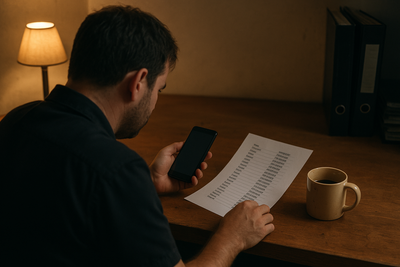
The Friday dinner rush is two hours out, and a line cook calls off. One server is already pushing overtime. Another never answered the group text. The newest hire replies fast, but only to say the posted schedule changed three times this week and they already made other plans. That moment tells the whole story. In a lot of restaurants, the staffing problem is not just headcount. It is a mismatch between how the job is managed and what younger workers now expect from hourly work.
Gen Z has filled a huge share of restaurant and hospitality roles, especially in quick service, casual dining, and hotel operations. The common complaint from operators is that these workers are unreliable, hard to reach, or not committed. The more useful question is simpler: what conditions make them stay, show up, and pick up extra shifts when needed?
Scheduling matters more than free pizza
For younger workers, flexibility does matter, but not in the loose, chaotic way many managers assume. Most do not want a schedule that changes every other day. They want predictable flexibility. That means schedules posted far enough in advance to plan school, second jobs, family responsibilities, and transportation. It also means a clear process for swapping or picking up shifts without begging a manager by phone.
This is where many operations lose people. A workplace may offer plenty of hours, but if those hours arrive late, move constantly, or depend on unanswered texts, the job starts to feel unstable. In practice, schedule control often matters more than small perks. A worker who can see next week's shifts on time is more likely to stay than one who gets a free meal but no idea when they are working.
Shift coverage needs to be fast and visible
When a callout happens, younger workers expect the replacement process to work like the rest of their lives, on a phone, quickly, and without awkward back-and-forth. That does not mean they reject responsibility. It means they are used to digital systems that show what is available and let them respond immediately.
Restaurants that still rely on voicemail, one-by-one texting, or a manager scrolling through contacts often create unnecessary friction. Tools like Truvex fit this reality because open shifts go out by push notification and text, workers can accept with a tap, and the manager decides who covers. That approach does not remove accountability. It simply removes delay.
The operational benefit is obvious. Faster shift coverage reduces panic scheduling, cuts overtime spikes, and keeps resentment from building among the same dependable few who always get called first.
Callout culture is often a management problem
There is a blunt truth here. Some no-shows are about poor work ethic, but a lot of callouts are tied to avoidable management habits. Workers are less likely to protect a schedule they do not trust. If shift assignments feel random, availability is ignored, or time-off requests disappear into a notebook, attendance problems usually follow.
Gen Z tends to respond better to systems than to vague expectations. Clear attendance policies, visible scheduling rules, and consistent follow-through matter. So does communication that is direct and documented. A text confirming a shift change is better than a verbal mention in a noisy kitchen. A posted policy is better than a manager saying, "Everybody knows the rule." Usually, they do not.
Digital communication beats phone tag
Many younger workers are perfectly responsive, just not through channels managers grew up using. Phone calls often go unanswered, not always out of disrespect, but because texting is the default mode for quick decisions. In a busy operation, that shift in communication style should not be treated as a character flaw. It is a workflow issue.
Mobile-first communication also supports better documentation. There is less confusion about who accepted what, when a message went out, or whether someone actually saw the request. That matters during last-minute scheduling, but it also matters in daily operations, from pre-shift updates to section changes.
Retention improves when autonomy has guardrails
The strongest restaurant teams usually give younger workers some control without letting the operation turn into a free-for-all. That balance matters. Gen Z often wants gig-style autonomy, the ability to pick up extra hours, trade shifts, or adjust availability, but within a structure that feels fair and organized.
That is why the best retention strategies are usually not dramatic. They are operational. Post schedules earlier. Make shift coverage transparent. Use mobile tools that workers will actually respond to. Keep policies simple enough to follow on a slammed Saturday. Truvex is one example of how that can work in practice, especially for teams that need a faster, text-based way to handle callouts.
Restaurant work has never been easy, and younger workers know that. What pushes them out is not always the pace or the pressure. More often, it is preventable disorder. The operators who understand that are not lowering standards. They are building workplaces that people can realistically say yes to.