April 23, 2026
How Callouts Trigger Overtime Costs
See how one missed shift turns into costly overtime, and what managers can do to protect labor budgets without burning out the team.
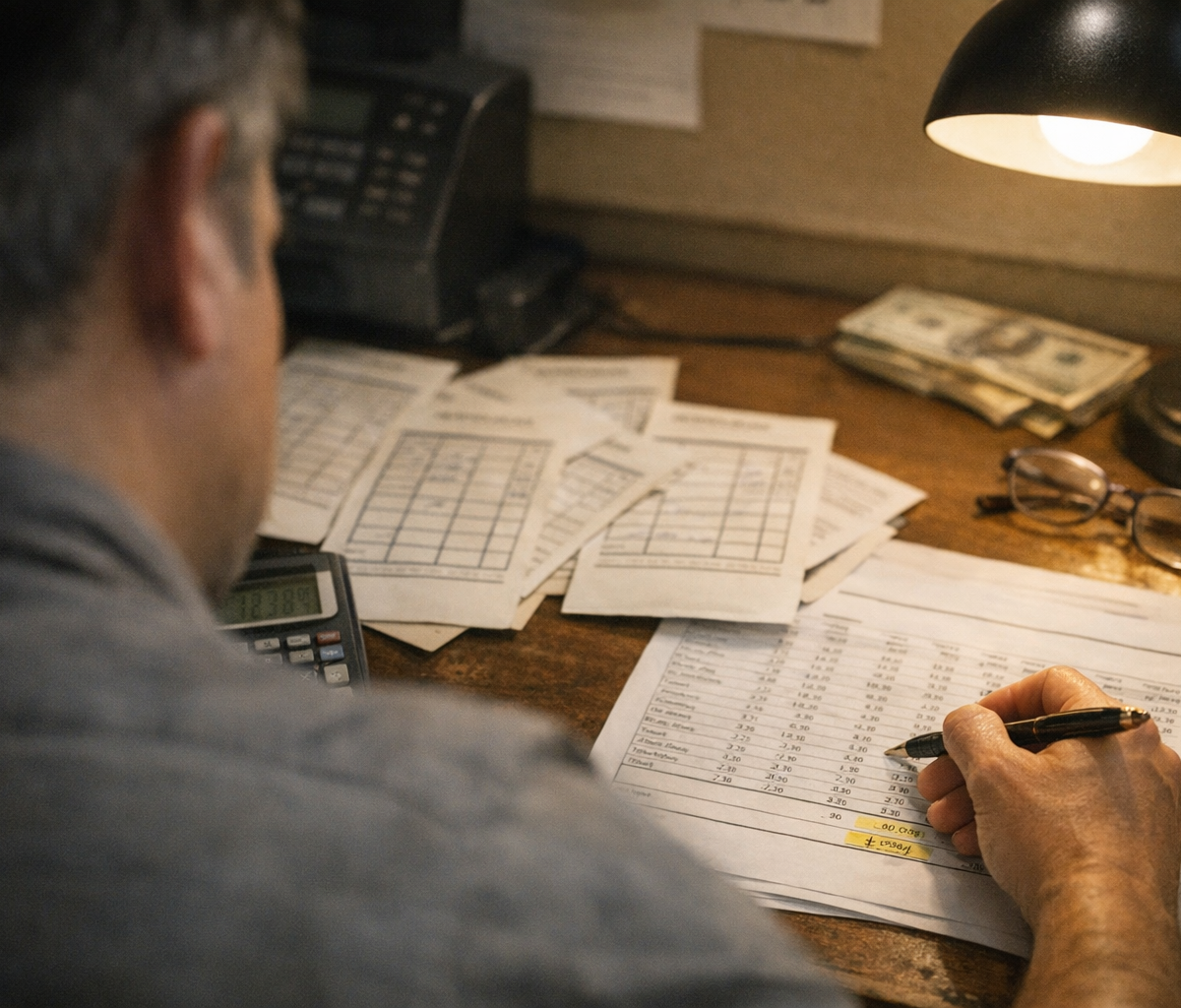
It usually starts with a text at the worst possible time. A line cook is sick. A server has a family emergency. A dishwasher simply does not show. The shift still has to run, guests still arrive, and the labor budget takes the hit.
In many restaurants, one last-minute callout does not just leave a hole on the floor. It sets off an overtime chain reaction. Someone stays late, someone else comes in early, and a manager approves extra hours because there is no real alternative. By the end of the week, a single uncovered shift can quietly become one of the most expensive labor decisions on the schedule.
How a callout turns into overtime fast
The math is not complicated, but it adds up faster than many operators expect. If an employee earning $20 an hour crosses into overtime, that rate jumps to $30 an hour. Covering a six-hour dinner shift now costs an extra $60 above straight time. If the replacement is already deep into overtime, or if two employees split the gap, the number climbs again.
In full-service restaurants, hotels, and catering operations, the real cost often lands between $50 and $200 per incident. That depends on wage rates, shift length, and how many people need to stretch to absorb the work. Over a month, four or five callouts can mean hundreds of dollars in unplanned labor. In a busy season, it can reach thousands. For operations already working on thin margins, that is not a rounding error. It is profit walking out the back door.
Why shift coverage problems keep repeating
Most overtime caused by callouts is not really about one missing employee. It is about the lack of a reliable shift coverage process. Many managers still fill gaps by texting a few trusted workers one by one, waiting for replies while prep falls behind or the host stand starts stacking reservations. By the time someone agrees, the cheapest labor option is often gone.
That delay matters. The first available person is not always the best financial choice. Often, the employee willing to help is also the one already near 40 hours. Bringing that person in solves the immediate problem, but it pushes labor cost higher and increases fatigue. The same names keep getting tapped, the same people burn out, and turnover risk rises right alongside overtime spend.
Scheduling practices that reduce overtime exposure
Operators that keep overtime under control usually treat callouts as a systems problem, not a daily fire drill. Cross-training is one part of it. A host who can run food, a bartender who can cover limited server duties, or a prep cook who can support the line buys time and flexibility. The goal is not to run short forever. The goal is to avoid making the most expensive staffing decision in the first 15 minutes of a crisis.
Hour tracking matters just as much. Managers need a live view of who is still under overtime thresholds before they start asking for coverage. A worker at 28 hours and qualified for the shift is usually a better option than a strong employee already sitting at 39.5. This is where tools like Truvex fit into the picture. Instead of chasing replies manually, managers can alert qualified off-duty workers at once, see who accepts, and choose the person whose hours make the most sense financially.
Some operators also build a small bench of part-time or flex staff specifically for high-risk periods, such as weekends, holidays, and local event nights. That approach may look inefficient on paper, but it is often cheaper than repeated overtime and the service failures that come with exhausted crews.
The hidden labor cost beyond payroll
Overtime is easy to see on a payroll report. The secondary damage is harder to measure, but just as real. Tired staff make more mistakes. Ticket times slip. Guest complaints increase. Managers spend more time patching holes and less time coaching, checking quality, or watching sales mix and waste.
There is also a fairness problem. When the same dependable employees are always asked to rescue the shift, resentment builds. Some appreciate the extra money for a while. Most do not want to live on emergency hours forever. That is when callouts start feeding more callouts, because burnout rarely stays isolated to one person.
Breaking the no-show and overtime cycle
Restaurants cannot eliminate callouts. People get sick, cars break down, and life does not care about the dinner rush. What can be controlled is the response. The strongest operators create clear coverage rules, track hours in real time, maintain a broader pool of qualified staff, and avoid relying on overtime as the default backup plan.
That shift in thinking matters. Overtime should be the last resort for protecting service, not the standard answer to every no-show. In an industry where a few points of labor can decide whether a month was good or bad, the difference between straight time and time-and-a-half is not small. It is the difference between absorbing a rough day and paying for the same staffing problem over and over again.