April 20, 2026
When One Café Callout Cuts Staff in Half
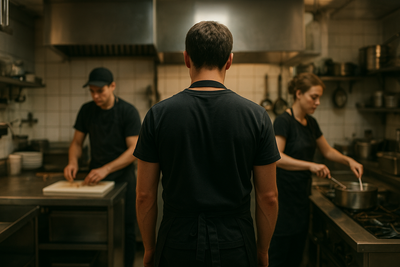
Learn how small cafés and bakeries handle a single callout, protect service, and find shift coverage fast when one absence means a solo shift.
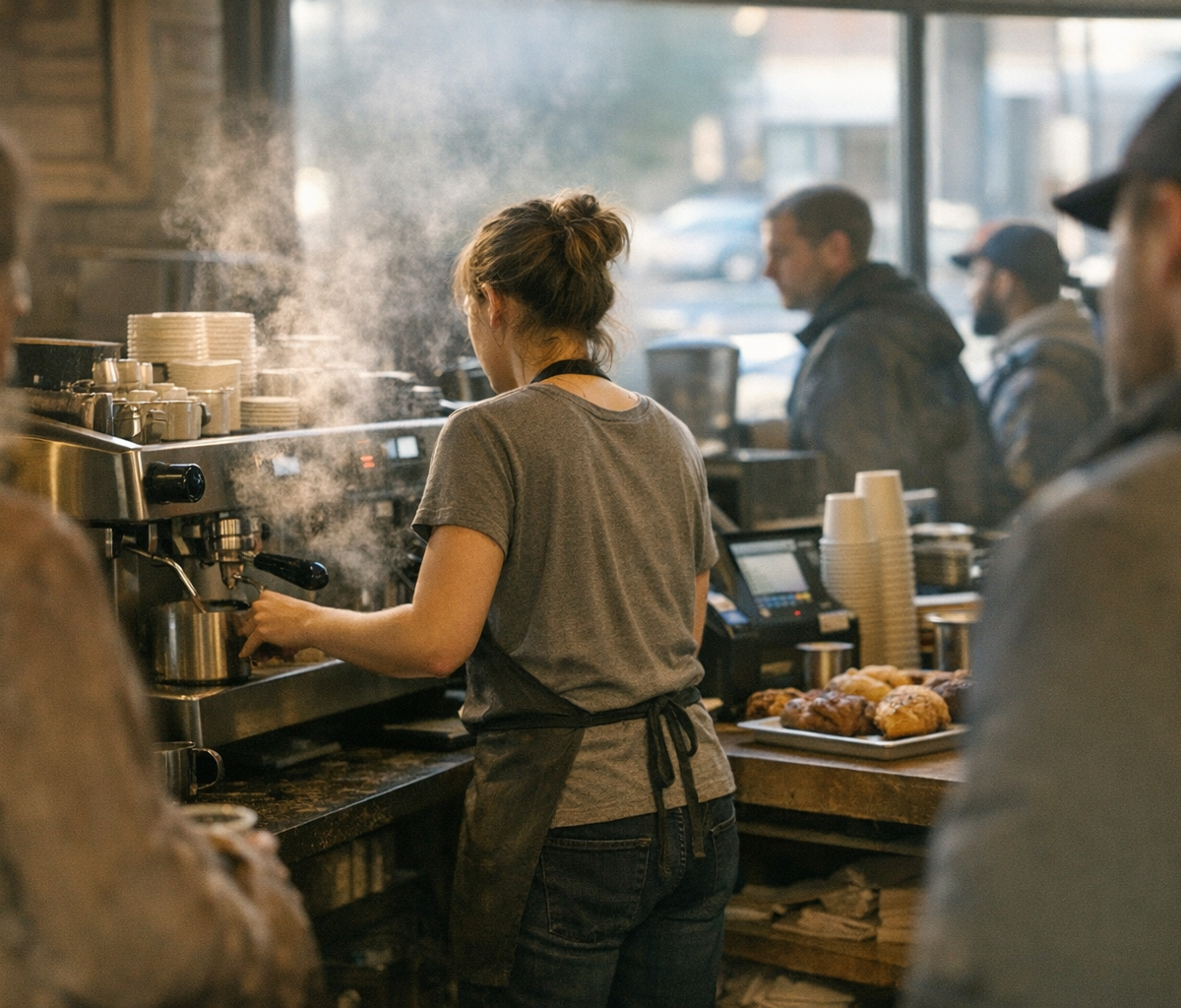
At 6:12 a.m., the text comes in. One barista is sick and the shop opens in under an hour. In a larger operation, that is a staffing problem. In a two-person café, it is a full redesign of the shift. One person now has to pull shots, take payment, warm food, restock milk, answer delivery drivers, and keep the line from turning hostile. There is no extra margin to absorb the hit.
That is the reality in small coffee shops, bakeries, and boutique food businesses. A single callout does not reduce capacity by a little. It can cut the labor on the floor by 50 percent. The operational math changes immediately, and managers who treat it like a normal absence usually end up with slower tickets, wasted product, burned-out staff, and regulars wondering what happened.
Small team callouts are a different kind of risk
In lean operations, every position is stacked with overlapping responsibilities. The opener may also be the cashier. The cashier may also plate pastries and run mobile orders. There is often no dedicated support role to catch the spillover. When one person drops, the remaining worker is not just busier. That worker is forced into constant task-switching, which is where mistakes start.
Morning service makes this worse. Coffee shops tend to get hit in compressed windows, before work, school drop-off, and mid-morning breaks. Customers are less patient during those peaks, and speed matters more than usual. A solo barista can often keep quality or speed, but rarely both for long. Something gives.
Shift coverage has to start in the first five minutes
The first response should not be a long chain of individual texts. That burns time, and time is the one thing missing during an opening callout. Small teams need a fast, repeatable shift coverage process that reaches every qualified off-duty employee at once. Even with a roster of only 8 to 10 people, speed matters. Someone may be willing to come in, but not if the message arrives after school drop-off, another errand, or a second job shift has already started.
This is where simple notification systems help. Tools like Truvex are useful in small operations because they turn the full staff roster into a rapid-response list. One tap sends a push notification and SMS to everyone not already clocked in, and the manager can choose from whoever accepts. That matters more in a small café than it does in a large restaurant, because every minute without backup has a visible effect on service.
How to run a café solo during a no-show
If coverage is not immediate, the shift needs triage. The smartest move is usually to reduce complexity before customers feel the strain. That can mean pausing mobile orders, cutting low-volume menu items, switching to drip-only for a short stretch, or limiting food that requires assembly. Most guests will tolerate a shorter menu better than a chaotic line and inconsistent drinks.
Front-of-house communication also matters. A small sign at the register that explains the shop is operating with limited staff can defuse frustration. So can one clear sentence from the employee on the floor. Customers tend to respond better to directness than to silence. They can see when one person is doing the work of two.
Managers should also be careful about what not to ask. Telling one barista to maintain full speed, full menu, full cleaning standards, and full friendliness for four straight hours is not realistic. Priorities need to be explicit. Serve safely. Keep the line moving. Protect product quality where it counts. The deep clean can wait until the rush passes.
Scheduling for callout coverage, not perfect labor cost
Many small operators build schedules so tightly that any absence becomes a crisis. That may look efficient on paper, but it leaves no room for real life. Illness, transportation issues, and family emergencies are not rare events in hospitality. They are part of the operating environment.
Better scheduling does not always mean adding hours. Sometimes it means cross-training one bakery employee on register, keeping one manager available as a true backup opener, or building a short list of staff who want extra hours and can respond quickly. The best small teams usually know in advance who can cover mornings, who can jump on espresso, and who should never be put alone on a high-volume shift.
Labor cost still matters, obviously. But so does the cost of a bad service window, comped orders, staff exhaustion, and lost repeat business. A schedule with zero slack is often more expensive than it looks.
Small teams survive by making coverage normal
The strongest small cafés are not the ones that avoid callouts. They are the ones that stop treating every callout like a surprise. They build a culture where open shifts are posted fast, coverage expectations are clear, and staff know that picking up an extra morning is part of how the shop keeps itself standing.
That approach does not remove the stress. In a tiny operation, there will always be mornings when one absence changes everything. But when the response is fast, the menu is adjusted intelligently, and the team knows how coverage works, a bad day stays manageable instead of turning into a full-service collapse.