June 30, 2026
How to Cover Overnight Shifts Fast
Learn practical ways to fill overnight callouts in hotels, hospitals, and 24 hour retail before a vacant desk turns into a service and security risk.
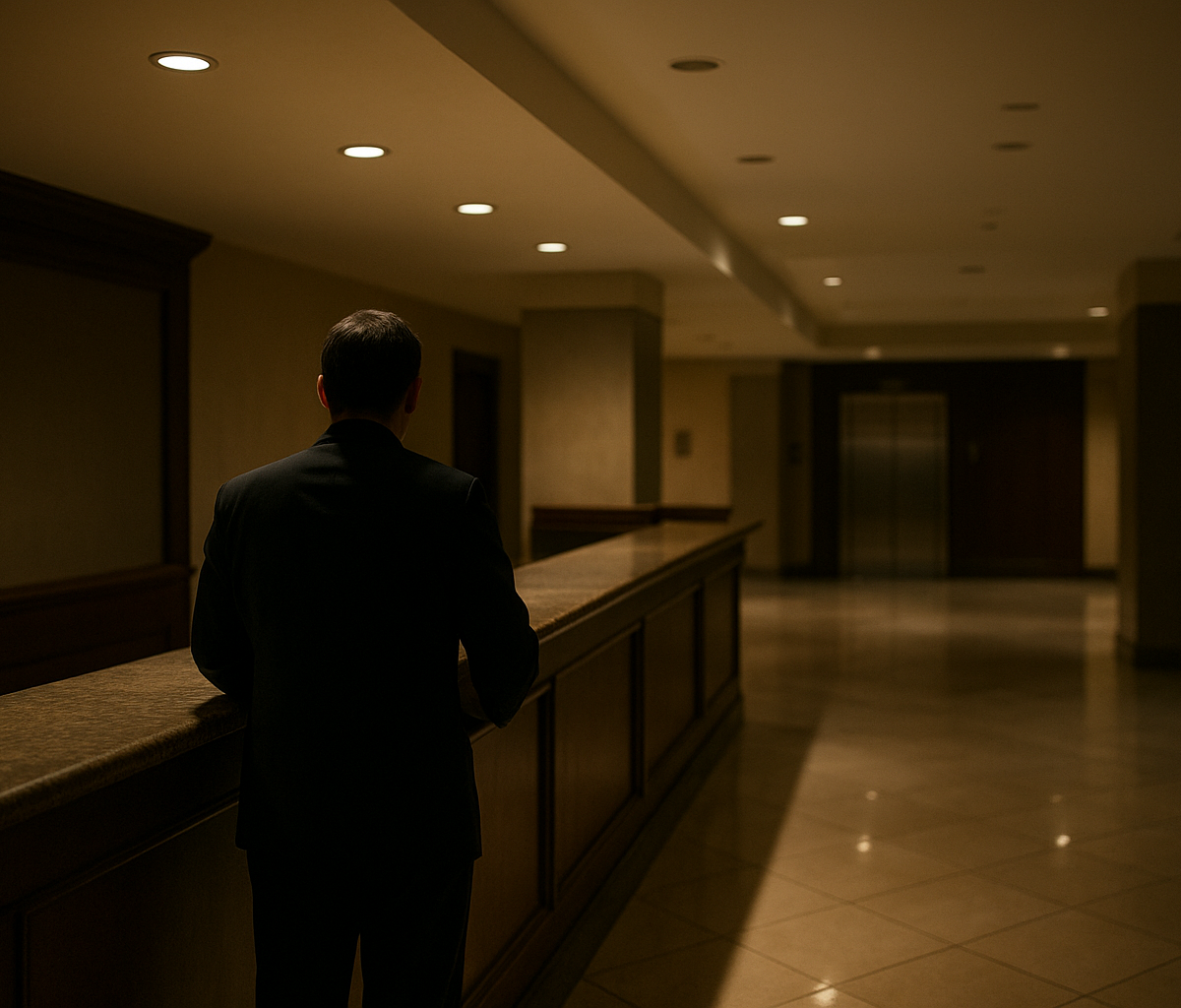
At 2:07 a.m., the problem is never just one missing employee. A front desk agent calls out sick, the night auditor is tied up with end-of-day reports, and a guest walks in expecting a key, directions, and someone awake enough to solve a problem. In a hotel, that gap hits service and security at the same time. In a hospital or 24 hour retail site, the stakes can be even higher. Overnight coverage is hard to fill because the labor pool is smaller, the response window is shorter, and the consequences of waiting are immediate.
Day shifts usually offer more options. Overnight shifts expose every weak point in staffing. The issue is not simply scheduling, it is response speed, worker availability, and whether the operation has a realistic backup plan after normal business hours.
Why overnight shift coverage breaks down
Most overnight callouts happen when managers have the fewest tools available. By 10 p.m. or 11 p.m., office staff are gone, department heads are off the clock, and the usual phone tree starts failing fast. Some employees silence unknown numbers. Others do not check scheduling apps once they are home. A text reaches one person, a voicemail reaches another, and a group chat turns into confusion about who actually accepted the shift.
Hotels feel this especially hard at the front desk. Overnight arrivals still happen. Guest lockouts still happen. Noise complaints, maintenance issues, and emergency situations do not wait until morning. A vacant desk after midnight is not just bad optics. It creates a real operational risk.
Callout response needs to be faster than the problem
The operations that handle overnight callouts best usually follow the same rule, broadcast first, sort second. Calling one person at a time wastes the only thing that matters in the moment, time. A broad alert to every qualified off-duty worker gives the shift a chance to be covered before the situation turns into overtime, a manager drive-in, or a compromised lobby.
This is where notification method matters. An app-only alert is easy to miss late at night. Dual-channel outreach, especially push notification plus SMS, tends to perform better because it catches both the employee who checks apps and the one who only notices a text buzz on the nightstand. Truvex uses that approach, which fits the reality of overnight staffing better than systems that assume workers are actively watching a schedule feed.
Scheduling for no-show and overnight callout risk
Good overnight scheduling starts before the callout. Managers who consistently fill night gaps usually know exactly which employees prefer late hours, who lives nearby, who wants differential pay, and who can handle being dropped into a quiet but high-responsibility shift. That list should not live in one supervisor's head.
A practical overnight coverage plan often includes a small bench of cross-trained workers, clear rules on who is qualified to work alone, and a written escalation path for the first 30 minutes after a no-show or late callout. In hotels, that may mean identifying which evening staff can bridge the desk until relief arrives. In hospitals or retail, it may mean deciding which supervisor can safely hold the post without creating a second gap somewhere else.
Overnight shifts also need a different recruiting lens. Not every employee avoids nights. Some prefer them because of commute patterns, family schedules, or shift differential pay. Those workers are often the most reliable emergency coverage options, but only if the system can reach them quickly when a shift opens up.
Labor cost decisions at 2 a.m.
Managers often hesitate to trigger broad coverage alerts because they are thinking about labor cost. That concern is real, but an uncovered overnight post usually costs more than the extra hour or differential. One missed check-in can snowball into refunds, complaints, and a stressed morning team walking into a mess. One unattended security issue can become much more expensive.
The better question is not whether coverage costs money. It is whether the operation knows the cheapest safe option fast enough to use it. When multiple qualified workers can accept an open shift and a manager chooses the best fit, labor decisions improve under pressure. That is more controlled than panic-calling half the roster and paying whatever overtime falls out of the scramble.
Shift coverage is now an after-hours systems problem
Overnight staffing used to depend heavily on who answered the phone. That is no longer enough for businesses that operate around the clock. Hotels, hospitals, and 24 hour retailers need a coverage process that works when managers are tired, workers are off duty, and the open shift starts now.
The overnight desk will always be harder to staff than the 3 p.m. shift. That part is not changing. What can change is how quickly the operation recognizes the gap, alerts the right people, and restores coverage before guests or patients feel the impact. In overnight operations, the difference between a manageable callout and a bad night is usually measured in minutes.