August 13, 2026
Why Staff Phone Trees Fail on Busy Shifts
See why old callout chains break down and how faster shift coverage reduces missed calls, floor chaos, and wasted manager time.
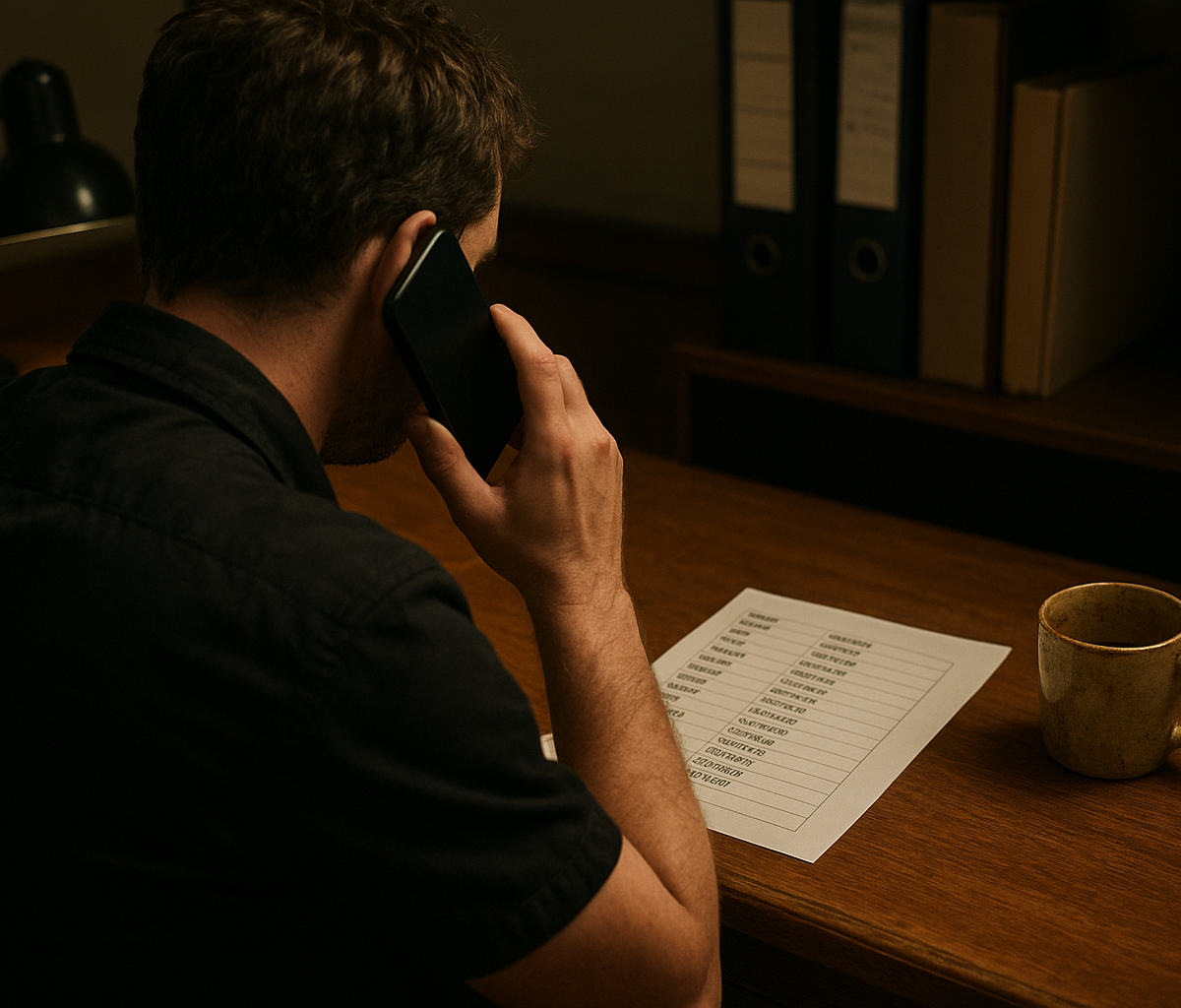
It is 5:12 p.m. A line cook calls out sick, the host stand is already backed up, and a manager is standing in the office dialing through a staff list from top to bottom. One person does not answer. Another sends a text 20 minutes later. A third says maybe, then disappears. By the time coverage is found, if coverage is found, the shift is already bleeding.
That is the real problem with the phone tree. It does not fail because managers are disorganized. It fails because the method belongs to a different era. Sequential calling made sense when people answered landlines at home. In modern restaurant and hospitality operations, it burns time, creates confusion, and often delivers the answer too late to matter.
Phone tree callout coverage breaks at the first missed link
A phone tree depends on a chain of events going right. The manager reaches the first person. That person answers. If not, the manager moves to the next. Then the next. Every unanswered call adds delay, and delays stack fast during service.
Unknown numbers often go ignored. Voicemail is rarely checked in real time. Texts may get seen, but not immediately. Staff may be commuting, sleeping after a late close, working another job, or simply keeping the phone on silent. None of that is unusual. It is normal life in a shift-based workforce.
The result is simple. One missed connection slows the entire process. Five missed connections can wipe out half an hour. In a restaurant, half an hour is not a small gap. It is the difference between a controlled rush and a shift that never recovers.
Managers lose floor time when shift coverage turns into detective work
Every minute spent chasing coverage is a minute not spent expoing tickets, watching labor, greeting guests, coaching new staff, or fixing problems before they spread. Managers are not just filling a vacancy when someone calls out. They are protecting the whole operation.
This is where old scheduling habits become expensive. The labor cost is not only the replacement shift. It is also the management time spent hunting for it. A 45 minute phone chain in the middle of service drags attention away from the floor at the exact moment the floor needs leadership.
That is why more operators are moving toward simultaneous outreach instead of one-by-one calling. Platforms such as Truvex reflect that shift by sending push notifications and SMS to all qualified off-duty workers at once, then letting managers choose from the staff who respond. The value is not novelty. The value is speed and clarity under pressure.
Why no-show and callout response needs multiple channels
Relying on one communication method is risky. Calls get ignored. Texts get buried. App notifications can be missed if they stand alone. In practice, the strongest response systems use more than one channel because staff do not all behave the same way with their phones.
A cook coming off a double may ignore calls but answer a text. A server may respond to a push notification faster than voicemail. A bartender may see an SMS while working another venue. Multi-channel communication does not guarantee an instant yes, but it raises the odds that the message gets seen quickly by the right people.
That matters even more when roles require specific qualifications. Not every open shift can be filled by the first available body. Sometimes the opening needs someone trained on grill, someone cleared to close cash, or someone who knows banquet setup. Broad, simultaneous outreach works best when it also filters for actual fit.
Better scheduling systems reduce panic, not just paperwork
The strongest callout process is built before the emergency starts. That means keeping availability current, knowing which employees are cross-trained, and making it easy to identify who can legally and practically take a shift. Too many teams still keep this information spread across paper schedules, text threads, and manager memory.
When the process is centralized, response time drops. Managers can send one clear request, staff can accept quickly, and the decision stays visible instead of getting lost in scattered messages. Truvex is one example of that approach, replacing the old phone tree with a live pool of qualified responders rather than a guessing game through a contact list.
The phone tree is not just outdated. It is slow in a business that punishes slowness. Restaurants and hospitality teams already deal with enough uncertainty, from callouts to late deliveries to sudden rushes. Shift coverage should not add more chaos than it solves. The operations that handle staffing stress best are usually the ones that stopped treating urgent coverage like a chain reaction and started treating it like a broadcast problem.