November 15, 2026
Why Top Restaurant Staff Leave First
Spot the warning signs before strong employees walk out, and fix the staffing habits that push reliable people to quit first.
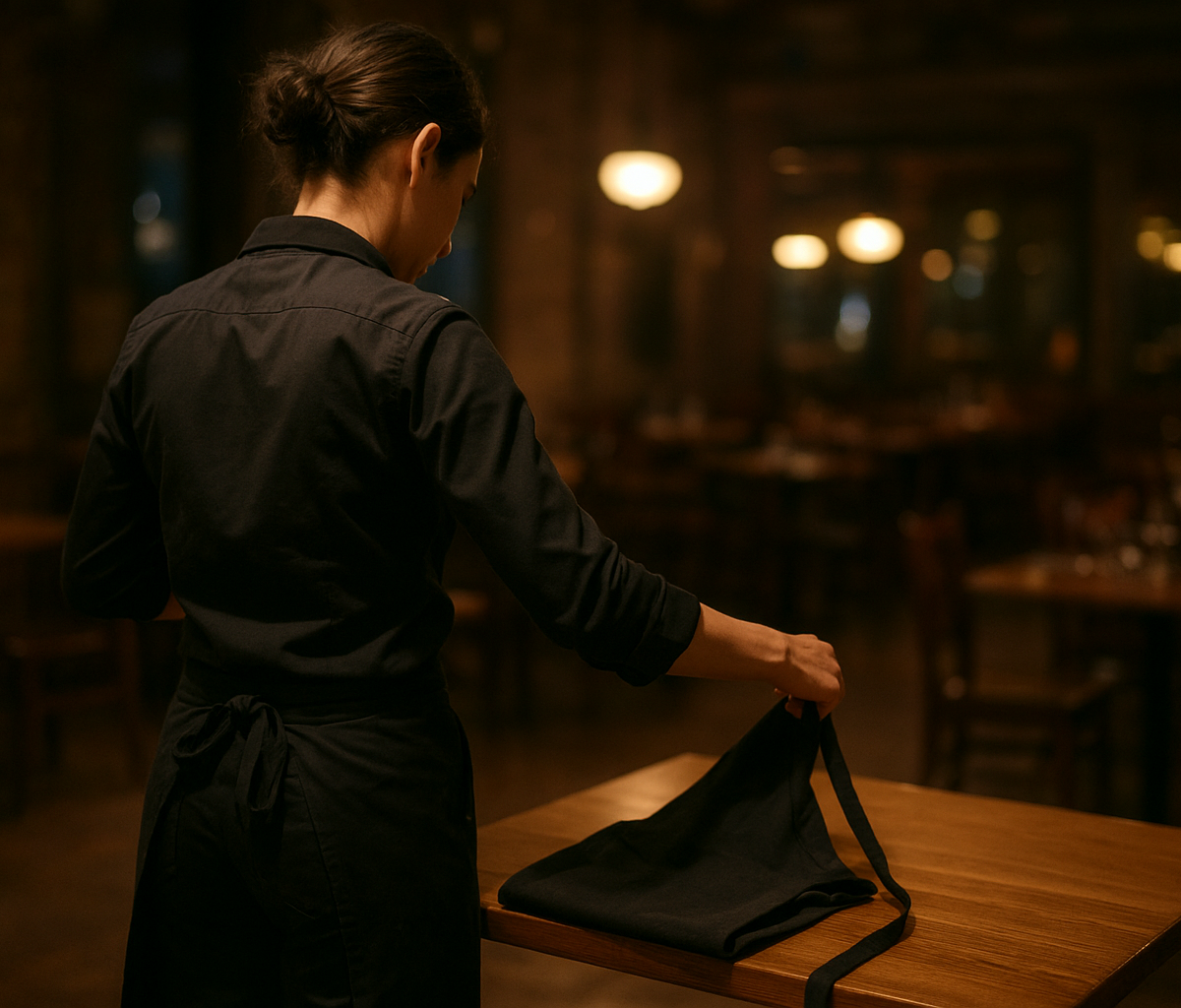
It usually does not start with a resignation. It starts with a strong employee going quiet.
The server who used to jump in without being asked stops volunteering. The line cook who held the station together on bad nights starts doing only what is assigned. The shift lead who always answered last-minute texts takes longer to reply, or does not reply at all. In many restaurants, those are not attitude problems. They are early signs of burnout.
Top performers often leave first for a simple reason. They can. Good people have options, and they usually know it before management does. They also tend to carry more of the operation than anyone wants to admit. When the schedule is thin, when a no-show hits at 4:30, when a dishwasher disappears on a Saturday, the same dependable names get called. At first, that looks like trust. Over time, it feels like punishment for being reliable.
When shift coverage always falls on the same people
Most managers do not set out to overload their best staff. It happens because the immediate problem is always more urgent than the long-term one. A callout needs to be covered now. Service starts in an hour. The manager reaches for the person most likely to say yes. That habit solves tonight and damages next month.
Reliable workers notice patterns quickly. They know who gets chased for shift coverage and who gets left alone. They know who can ignore the group text without consequence and who gets a second call, then a third. Once that imbalance becomes normal, resentment builds. Not always loudly. Often quietly, and that is worse.
This is where process matters. Coverage should be offered fairly, not assigned through guilt. Tools like Truvex fit into that reality because they broadcast open shifts to qualified off-duty staff at once, instead of pushing the same few people to rescue every hole in the schedule. The point is not technology for its own sake. The point is removing the habit of leaning on the strongest employee every time something breaks.
Early warning signs of turnover in restaurant teams
The best employees rarely make dramatic speeches before leaving. More often, the warning signs show up in small changes to behavior.
- They stop picking up extra shifts.
- They become less vocal in pre-shift discussions.
- They use more rigid language about availability.
- They stop trying to fix problems outside their lane.
- They take fewer pride-driven initiatives during service.
None of these signs automatically mean someone is quitting. Taken together, they often mean the employee has started protecting energy that used to be given freely. That shift matters. Once a strong worker mentally checks out, retention gets expensive and uncertain.
Callout stress and the hidden cost of reliability
Understaffed operations often confuse endurance with engagement. A cook who works six doubles in two weeks may look committed on paper. In reality, that employee may be one bad Saturday away from walking. The same goes for bartenders, housekeepers, hosts, and supervisors who become the default backup plan.
There is also a fairness issue. The most dependable workers often absorb the worst parts of poor scheduling discipline. They cover callouts, train weaker hires, calm guests, and close the building after everyone else leaves. Then they get treated like that output is standard. Recognition stays vague. Raises lag behind responsibility. The message is clear, even when nobody says it out loud.
Competence should not lead to chronic overuse. In hospitality, it often does.
Scheduling practices that improve employee retention
Retention is rarely fixed by one conversation or one raise. It improves when daily operations become more predictable and more fair.
Managers who keep strong staff tend to do a few things consistently. They track who is actually covering extra shifts, not just who is scheduled. They spread inconvenient shifts across the team instead of loading them onto the same reliable people. They ask for help early, before a staffing hole turns into a crisis. They also make expectations visible, so employees do not feel that saying no once will damage their standing.
Recognition matters too, but it has to be specific. Generic praise does little for a worker who has covered four callouts this month. Concrete acknowledgment, better shift assignments, development opportunities, and pay decisions tied to actual contribution carry more weight.
When coverage systems are fair, strong employees notice. If open shifts go out to everyone qualified, and the manager chooses from those who opt in, the extra work becomes a choice rather than a personal obligation. That is one reason some operators use platforms like Truvex. Not to eliminate staffing problems, because no tool can do that, but to stop reliability from becoming a trap.
No-show problems are staffing problems, not loyalty tests
Every restaurant has emergencies. Not every restaurant turns those emergencies into a culture where the best people are expected to absorb all the damage. That distinction affects turnover more than many operators realize.
When a top employee quits, the loss is rarely about one person leaving one role. It is the loss of speed, judgment, standards, and calm under pressure. Replacing that on a hiring board is hard. Preventing the loss is usually cheaper than reacting to it.
The strongest staff members do not leave because the work is hard. Hospitality has always been hard. They leave when management makes the hardship uneven, predictable, and thankless. The operations that hold onto good people are usually the ones that notice that pattern before it becomes a resignation letter.