August 9, 2026
Black Friday Staffing When Callouts Hit
Learn how retailers prepare for Black Friday callouts, protect labor compliance, and keep shift coverage intact when peak traffic hits.
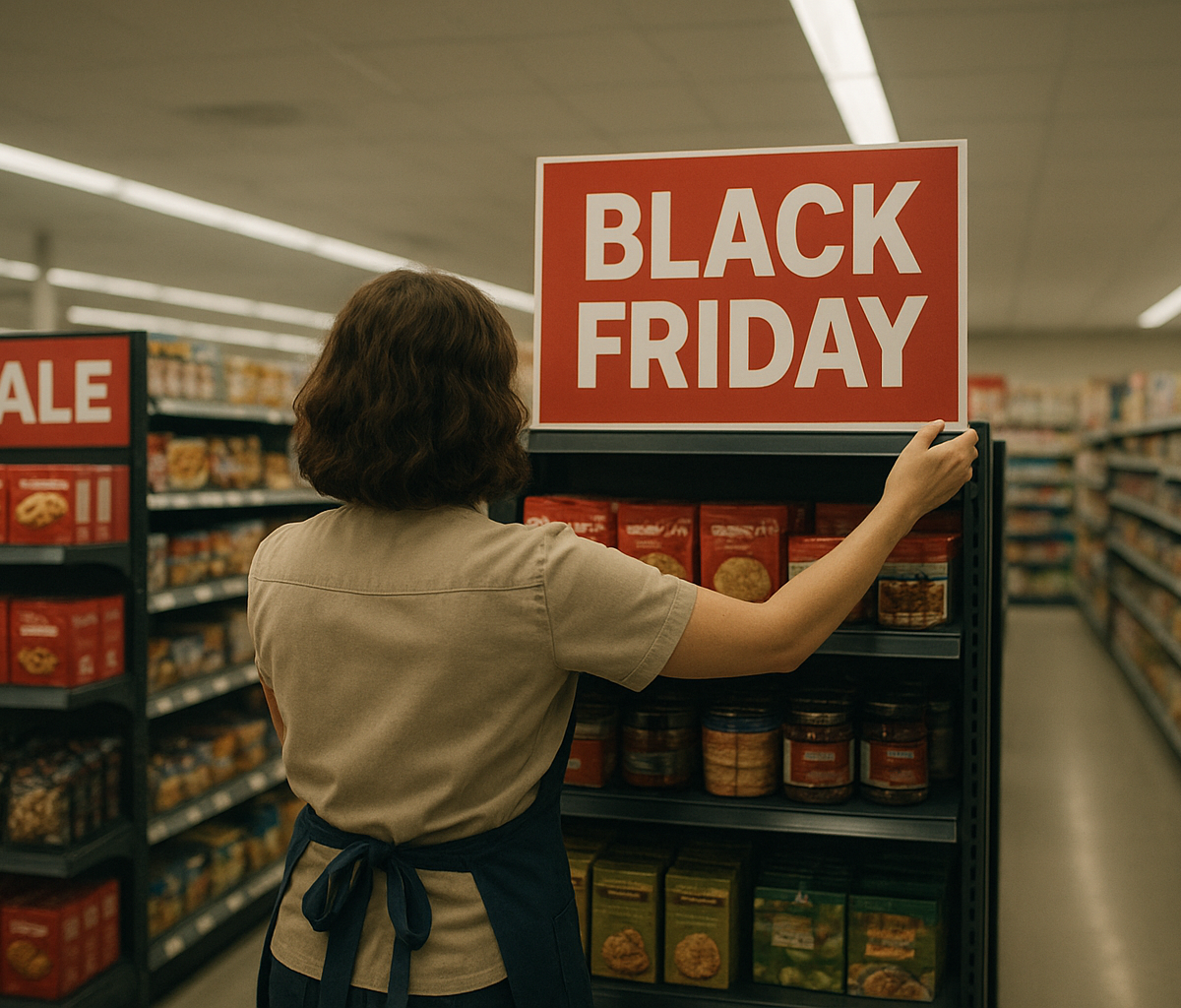
At 4:07 a.m., the text comes in. A cashier scheduled for the 5 a.m. door-buster shift is sick. Another associate is stuck with a dead car battery. The line outside is already forming, pallets are still wrapped, and the opening team is now short before the doors even unlock. That is Black Friday staffing in its real form, not the version that looks tidy on a labor plan built two weeks earlier.
Retail has always accepted that Black Friday is part logistics drill, part stress test. The problem is not just volume. It is volume landing on top of human unpredictability. Associates want time with family, transportation gets messy in bad weather, and early start times increase the odds of no-shows and callouts. On the busiest day in commerce, even one missing person at the wrong station can slow checkout lines, leave fitting rooms unattended, or create safety issues on the floor.
Black Friday shift coverage breaks in small ways first
Most staffing failures do not begin with a total collapse. They start with one hole in the schedule. A missing greeter pushes a supervisor to the front. That supervisor can no longer coach the replenishment team. Recovery bins pile up, promo signage gets missed, and the customer experience slips by degrees. By noon, labor cost may still look acceptable on paper, but the store is losing sales through friction.
Large chains usually try to absorb this risk with layered scheduling. They overstaff key hours, cross-train associates, and identify backup employees for registers, stock, pickup orders, and loss prevention coverage. Independent retailers do the same thing with fewer bodies and less margin for error. In both cases, the lesson is the same. Black Friday staffing plans that depend on every scheduled person arriving exactly on time are not really plans.
Scheduling for callouts before the holiday rush
The strongest operators treat Black Friday callouts as a certainty to plan around, not an exception to be surprised by. That means identifying critical posts that cannot go uncovered, then building a response path for each one. Checkout, curbside pickup, receiving, and floor recovery usually need different backup options. A strong stock associate may not help much if the real bottleneck is at the point of sale.
It also means cleaning up availability data well before Thanksgiving week. Many retailers still rely on outdated phone trees, group texts, or handwritten backup lists taped in the office. Those methods work until they do not. At 4 a.m., managers do not need a scavenger hunt. They need a current list of qualified people who are off duty, reachable, and actually allowed to work that shift.
Tools like Truvex fit into that gap by letting a manager notify available qualified workers immediately when a callout happens. In a Black Friday scenario, speed matters. Ten minutes can be the difference between opening short and getting someone confirmed before the first rush hits.
Predictive scheduling laws complicate last-minute staffing
The compliance side gets harder during holiday peaks. In cities and states with predictive scheduling laws, last-minute changes can trigger reporting pay, premium pay, advance notice requirements, or restrictions on clopening and on-call practices. Retail managers cannot treat Black Friday as a free pass to improvise.
This is where many stores get exposed. A manager may find a willing associate to cover, but if the shift change is handled informally, there may be no clear record of consent, timing, or whether the replacement created another compliance problem later in the weekend. The operational instinct is to fill the hole fast. The smarter move is to fill it fast and document it cleanly.
That usually requires close coordination between store leadership, district management, and whoever owns labor compliance. The best systems make it obvious who volunteered, when the offer went out, and what schedule change was accepted. In a high-pressure environment, documentation is not paperwork for its own sake. It is protection.
Labor cost matters, but bad coverage costs more
Retailers often spend weeks debating holiday labor budgets, then lose sight of what undercoverage actually costs on Black Friday. A short-staffed opening can mean abandoned baskets, missed attachment sales, poor queue control, and burned-out team leads who spend the rest of the weekend catching up. Saving one shift can create losses that never show up neatly in the scheduling system.
That does not mean throwing bodies at the problem. It means staffing the pressure points correctly and having a real-time process for no-show and callout recovery. Some stores build standby lists. Some offer voluntary extra hours to prequalified employees. Some use scheduling platforms or coverage tools to speed up outreach. The method matters less than the discipline behind it.
Black Friday exposes every weak habit a store carries the rest of the year. Slow communication, poor cross-training, messy availability records, and loose compliance practices all get amplified when traffic spikes. The stores that handle the day best are rarely the ones with perfect schedules. They are the ones prepared for the schedule to break, and ready to fix it before customers feel the damage.