June 25, 2026
First 10 Minutes After a Shift Callout
Use a fast callout protocol to stabilize staffing, reassign stations, and protect service before one missing employee turns into a bad shift.
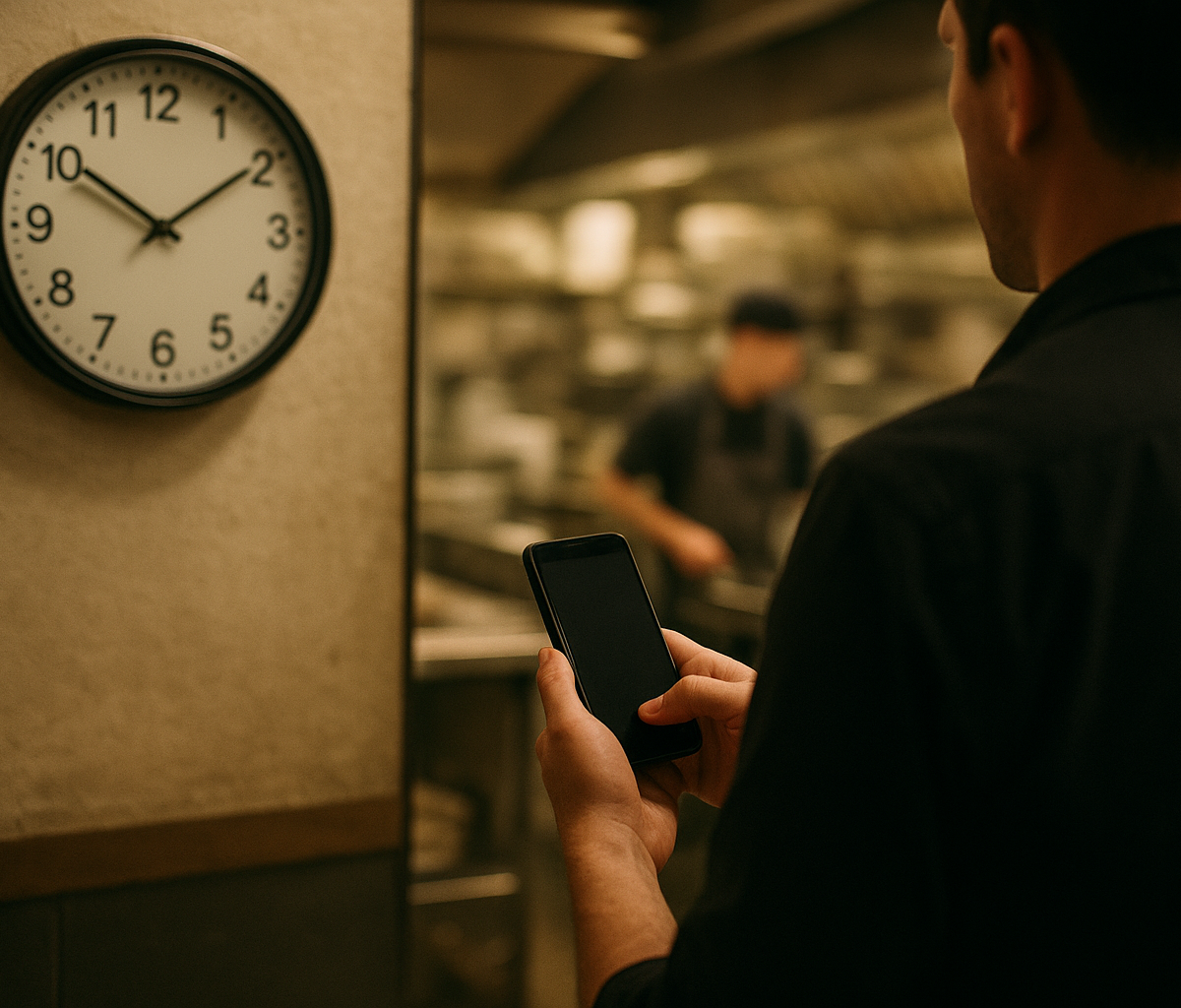
The phone rings an hour before service. A line cook is sick. A server's kid has a fever. A dishwasher simply says he cannot make it. What happens in the next 10 minutes usually decides the rest of the shift. Not the callout itself, the response to it.
In most restaurants and hotels, the real damage starts when a manager loses those first minutes to confusion. One person starts texting random staff. Another tries to rebuild the floor plan from memory. Nobody tells the kitchen what just changed. The shift drifts into panic. A callout does not have to become a meltdown, but it needs a protocol.
Acknowledge the callout, then move fast
The first step is simple. Confirm the absence, note the reason if required by policy, and get off the phone. This is not the moment for a long conversation unless the employee is reporting something urgent or safety-related. The immediate goal is operational clarity. Is the employee definitely out, or running late? Which shift hours are affected? Is this a key station or a role that can be absorbed for part of service?
That information needs to be locked down fast. Half the staffing problems in hospitality come from uncertainty, not just understaffing. A maybe is harder to manage than a no.
Broadcast shift coverage before doing anything else
Once the absence is confirmed, the search for shift coverage should happen immediately. This is where many managers burn 30 to 60 minutes calling down a list, waiting for replies, and repeating the same message over and over. Those are 30 to 60 minutes not spent protecting service.
A better approach is to send one clear notification to every qualified off-duty worker at once. Tools like Truvex are built for exactly this moment. The manager pushes the callout to available staff in about 15 seconds, then moves on to triage while responses come in by push notification and SMS. Whether coverage comes through an app, a group text protocol, or a tightly maintained call list, the principle is the same. Broadcast first, chase second.
The message should include role, start time, expected end time, and any urgency. Vague messages slow everything down.
Assess callout impact on scheduling and service
After the coverage request is out, the next question is practical. What breaks first if nobody picks this up?
A missing host at lunch is not the same as a missing grill cook at 6:30 on a Friday. Managers need to identify the bottleneck role, not just the empty slot on the schedule. Sometimes the station can be combined. Sometimes prep can be cut. Sometimes sections need to shrink before the first guest walks in.
This is also the time to decide whether the shift can run short for an hour, needs immediate backup, or requires changes to reservations, pacing, or menu availability. Good managers do not just replace labor on paper. They protect throughput.
Triage station assignments before the no-show hits service
If coverage has not yet confirmed, the floor and kitchen need a temporary plan. Reassign the strongest available people to the highest-risk stations. Move the versatile line cook to expo if communication is likely to suffer. Put the most experienced server on the largest section. Shift side work away from bottleneck positions. Delay nonessential prep if it keeps a critical station staffed.
This part needs to be blunt and realistic. There is no prize for pretending the original plan still works. A thinner menu, a smaller section map, or slower table turns may be the right call. The wrong call is acting like service capacity has not changed.
Brief FOH and BOH leads on the staffing change
One of the biggest mistakes after a callout is fragmented communication. The chef knows, but the host does not. The dining room lead knows, but dish does not. Then the shift starts and everyone discovers the problem separately.
FOH and BOH leads need the same short briefing: who is out, whether coverage is pending, what has been reassigned, and what service adjustments are in play. This should take less than two minutes. The point is not to overexplain. The point is to stop rumors and make sure every lead is managing the same reality.
Keep labor cost in view, but do not let it drive panic
Labor cost matters, especially when replacing a callout means overtime or premium pay. But in the first 10 minutes, the priority is service stability. A bad scramble can cost more than an extra hour of labor through comped meals, ticket delays, guest complaints, and burned-out staff.
The strongest operations treat callouts as a repeatable systems problem, not a daily drama. They know who gets notified, how stations get triaged, when leads get briefed, and when service plans get adjusted. That kind of discipline does not remove the stress. It keeps the stress from running the shift.
In hospitality, nobody gets judged by the schedule that was posted. The real test is the schedule that fell apart at 4:12 and the decisions made by 4:22.