October 11, 2026
Fair Workweek Callouts in Restaurants
See how restaurants cover sick callouts under Fair Workweek rules without avoidable premium pay, using voluntary pickups and cleaner records.

At 3 PM, the dinner line is being stocked, prep is half done, and a text comes in. A cook is sick and cannot make the shift. In most restaurants, that starts the usual scramble. In Portland, Seattle, New York, and Chicago, it can also start a compliance problem.
Fair Workweek and predictive scheduling laws were written to curb unstable schedules, not to make operators choose between labor law and dinner service. But that is often how the moment feels. A legitimate same-day callout still leaves a manager with two immediate jobs, keep the shift staffed and avoid turning a necessary fix into a costly schedule violation.
Why last-minute callouts create Fair Workweek risk
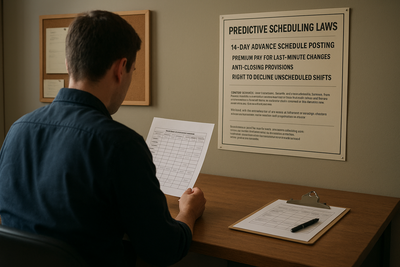
These laws vary by city, but the pressure point is similar. Once a schedule is posted, employer-initiated changes can trigger predictability pay or other premium obligations. That matters when a manager starts calling people one by one and asking them to come in early, stay late, or take on a shift they were not scheduled for.
The legal detail that matters most is often who initiated the change. A same-day absence does not erase the posted schedule rules. If management directs a replacement into the slot, that can look different from a worker voluntarily accepting an open shift. Restaurants that handle callouts well understand that the staffing problem and the compliance question have to be managed at the same time.
Shift coverage under predictive scheduling laws
Across covered cities, a common operating pattern has emerged. Managers document the callout, post the open shift, and allow qualified employees to opt in. The goal is not to force a change, but to create a voluntary pickup process with a clear record of who accepted and when.
That distinction matters because many Fair Workweek frameworks treat voluntary employee-driven changes differently from manager-mandated schedule modifications. Operators still need to check the exact local rule and any union or company policy layered on top of it. But in practice, restaurants that build a documented voluntary pickup system are usually in a stronger position than those relying on ad hoc phone calls and verbal agreements.
No-show and callout response needs a paper trail
Good intentions do not help much during an audit or wage dispute. Records do. When a worker calls in sick, the cleanest process usually includes the time of the callout, who received it, how the open shift was offered, which employees were eligible, and who accepted it voluntarily.
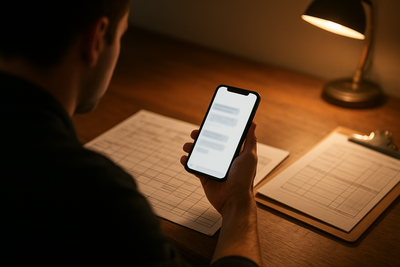
That is one reason some operators have moved away from group texts and handwritten notes. Those methods are fast, but they are messy. A tool like Truvex fits into this gap by broadcasting open shifts to qualified off-duty workers through push notification and SMS, then letting managers choose from employees who opted in. The value is not just speed. It is the record that the pickup was offered broadly and accepted voluntarily.
Scheduling systems that reduce premium pay mistakes
The restaurants that struggle most are usually not ignoring the law. They are relying on habits built before these laws existed. A sous chef starts texting favorites. A floor manager asks the first server who answers. Someone clocks in, covers the shift, and the payroll team later has to figure out whether the change triggered premium pay.
Better systems put guardrails around that chaos. They limit who can approve changes, separate voluntary pickups from directed coverage, and make payroll notes part of the process instead of an afterthought. Some operators also maintain a cross-trained pool for roles that are hardest to cover, especially line cooks, dish, and closing front-of-house positions. That does not eliminate callouts, but it reduces the odds that a manager will make a rushed decision that creates avoidable labor cost.
Labor cost control without ignoring reality
There is no perfect answer when someone gets sick hours before service. Sometimes premium pay is still the right call. A packed Friday night can justify it. The mistake is treating every callout like a one-off emergency instead of a repeatable operating event.
In cities with Fair Workweek laws, the strongest restaurants treat callout response as a compliance workflow, not just a staffing scramble. They train managers on the difference between voluntary and employer-directed changes. They keep records. They use systems that move fast without getting sloppy. That is what modern scheduling discipline looks like in a business where the next 3 PM sick text is never far away.