October 4, 2026
Why Group Texts Fail for Shift Coverage
See why group chats break down during callouts and what managers can use instead to get faster, cleaner shift coverage.
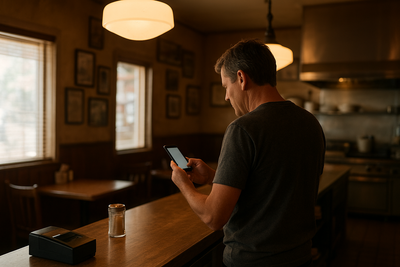
It usually starts at the worst possible time. A dishwasher calls out an hour before dinner. A server is stuck at urgent care. A line cook texts, "Not going to make it." Then the manager does what thousands of managers do every day, fires off a message to a 30-person group chat asking who can cover.
What follows is familiar. Half the staff never sees it because the thread is muted. iPhone reactions show up as separate Android messages. A few people mean to reply later and forget. Nobody answers for ten minutes because everyone assumes someone else will. Then three people respond at once, and now the manager has a different problem.
Group texts feel fast because they are easy to send. They are not actually built for shift coverage.
Why group text fails during a callout
The problem is partly technical and partly human. On the technical side, group messaging is messy by design. Mixed devices create broken threads, duplicate notifications, and buried replies. Staff members who worked the lunch shift may still be chatting in the same thread about tip share, side work, or weekend plans. By the time a real staffing emergency hits, the important message is just another bubble in a long stream of noise.
On the human side, the bigger issue is diffusion of responsibility, often called the bystander effect. When a message goes out to a large group, each person feels less personal pressure to act. Someone else will probably take it. Someone else probably needs the hours more. Someone else is closer. In a restaurant or hotel operation, those small hesitations cost real time.
That delay matters. Ten lost minutes at 4:30 p.m. can turn into a host stand backup at 6:00, ticket times blowing out by 7:00, and a manager jumping on the line by 7:15.
Shift coverage works better when the ask is targeted
Most callouts do not require a message to the entire staff. They require the right message to the right people. A prep cook opening tomorrow does not need to be dragged into a scramble for tonight's closing bartender shift. A server who is not trained on the patio section is not a real option. A front desk agent at a hotel may be available, but not certified for the audit tasks the shift requires.
Good coverage systems reduce the pool before the message goes out. They account for role, skill set, location, and basic availability. That does two things. It gives the manager cleaner options, and it tells the employee receiving the alert that the request is relevant. Relevant messages get answered. Broadcast noise gets ignored.
This is where structured tools have an edge over the group chat. Platforms like Truvex send callout alerts only to qualified off-duty workers, then track who accepts so the manager can choose the best fit without sorting through thread chaos.
Scheduling systems should remove ambiguity
One reason group texts create friction is that they leave too much open to interpretation. Is the shift still available? Did someone already claim it? Does replying "yes" mean the shift is confirmed, or just that the employee is interested? Can overtime be approved? Does the person need to call the store too?
Ambiguity creates extra back-and-forth, and back-and-forth is poison during service. A useful scheduling process makes the status visible. Available shifts should look available. Accepted shifts should show who responded and when. Final approval should sit with the manager, not with whoever types fastest in a text thread.
That structure also protects fairness. Without it, the same aggressive responders tend to grab hours while quieter but equally capable employees get overlooked. Over time, that breeds resentment and feeds turnover.
Better no-show response starts before the emergency
No tool can fix a weak staffing culture on its own. Fast shift coverage depends on clean role data, cross-training, and clear expectations. Managers need an updated list of who is qualified for what. Employees need to know how callouts are handled, how coverage requests are sent, and when a shift is officially assigned.
It also helps to separate operational communication from casual chatter. Staff should not have to dig through memes, shift complaints, and side conversations to find a real staffing request. The more disciplined the communication channel, the faster the response when a no-show or same-day callout hits.
Restaurants and hospitality teams already deal with enough variables that cannot be controlled, weather, traffic, sick kids, broken equipment, late deliveries. Shift coverage should not be one of them. The group text survives because it is familiar. Familiar is not the same as effective.
When staffing gets tight, the teams that hold together are usually the ones with the clearest systems. Not louder messages. Better ones.