August 16, 2026
Why Clopening Shifts Are Costing Restaurants
Clopening shifts drive burnout, mistakes, and turnover. Learn the legal risks and scheduling fixes that protect sleep and stabilize coverage.
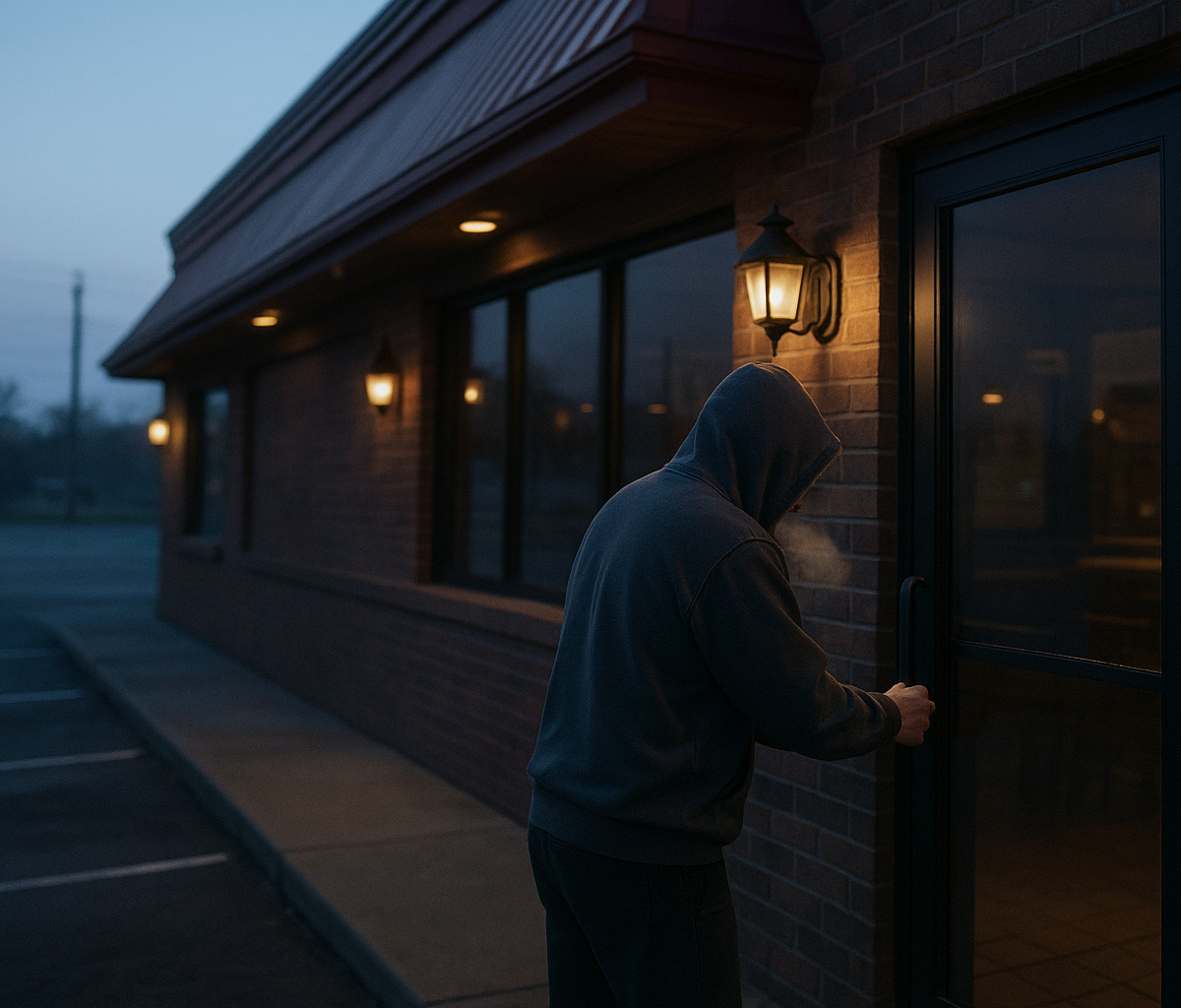
The lights go out after midnight. Chairs are up, cash is counted, the line is broken down, and one of the same employees is back at the door before sunrise to turn everything on again. On paper, that gap might look like seven hours. In real life, it often means five hours of sleep, maybe less after commuting, eating, and trying to come down from a slammed close. Managers know what that morning shift looks like. Slow steps. Short tempers. Mistakes that would not happen on a rested crew.
Clopening has been treated for years as a necessary evil in restaurants, bars, hotels, and cafes. It is not. It is usually a scheduling shortcut that pushes the cost of poor coverage planning onto the same dependable workers. The immediate problem gets solved, but the long-term damage shows up elsewhere, in turnover, callouts, safety issues, and labor instability.
Why clopening shifts create bigger staffing problems
Fatigue is not just a morale issue. In hospitality, tired staff miss details that matter. Orders ring incorrectly. Prep gets skipped. Opening checklists take longer. A server running on four or five hours of sleep is more likely to forget side work, mishandle a guest complaint, or call out entirely. In kitchens, the stakes are higher. Exhaustion increases the odds of cuts, burns, and basic food safety mistakes.
Clopening also teaches a bad lesson to the strongest employees. The more reliable someone is, the more likely that person gets used to patch holes in the schedule. Eventually that worker stops seeing the schedule as fair. Resentment builds quietly, then shows up as disengagement or a resignation with little warning. Managers often describe turnover as sudden. For the employee, it usually was not sudden at all.
Clopen scheduling and employee retention
Retention problems rarely come from one bad shift. They come from patterns. A team can handle a rough weekend, a sick callout, or a late truck. What wears people down is the repeated message that rest is optional. Clopening sends exactly that message.
This matters even more in a labor market where experienced staff have options. Workers talk. They compare schedules across properties and concepts. A place known for back-to-back close and open shifts will struggle to keep solid people, especially those with families, long commutes, or second jobs. The replacement cost is not abstract. Every departure means more training time, more pressure on the remaining crew, and often more clopening for whoever stays.
Legal risk around clopening and predictive scheduling
Cities and states have started paying closer attention to rest periods between shifts. In some markets, predictive scheduling laws require advance notice of schedules or premiums when employers make last-minute changes. In others, there are rules aimed directly at short turnaround times between shifts. Even where clopening is not explicitly banned, the legal trend is clear. Regulators are looking harder at scheduling practices that create fatigue and instability.
For operators, the practical takeaway is simple. Waiting for a law to force change is a poor risk strategy. A schedule that regularly leaves workers without adequate rest can become an HR issue, a compliance issue, and a brand issue at the same time.
Better shift coverage than the usual callout scramble
The common defense of clopening is that there is no other way to cover the board. Usually there is, but it requires actual structure. Stronger operators build opening and closing benches instead of leaning on the same few people. Cross-training helps, especially for host, counter, support, and prep roles where a wider pool can step in without wrecking service.
It also helps to separate emergency coverage from standard scheduling. If a closer cannot safely turn around and open, that should not trigger a guilt-based text chain at 5 a.m. Tools like Truvex give managers another path by notifying qualified, off-duty staff at once, including workers who are rested and not already trapped in a clopen. That does not replace better scheduling discipline, but it can stop one bad decision from becoming two.
Scheduling alternatives that reduce no-shows and burnout
Operators trying to phase out clopening usually start with a few basic rules. Set a minimum rest window between shifts. Rotate high-burden shifts instead of assigning them by habit. Flag repeat close-open patterns before the schedule is posted. If coverage is consistently thin on opens, fix the staffing model instead of borrowing sleep from the night crew.
Some teams also find that small operational changes help, such as trimming nonessential closing tasks, shifting prep to mid-shifts, or assigning a dedicated opener who is not part of the late-night close. None of this is glamorous. It is simply more sustainable than burning out reliable people and hoping they keep saying yes.
Restaurants are built on repetition. So are bad habits. Clopening survives because it solves tonight's problem while hiding next month's damage. The operators who move away from it are usually not being soft. They are reading the floor correctly. Tired teams make expensive mistakes, and rested teams hold together longer.