August 18, 2026
When One Callout Drags Down the Whole Shift
See how repeated callouts hurt morale, labor cost, and retention, and what managers can track to address the pattern before good staff leave.
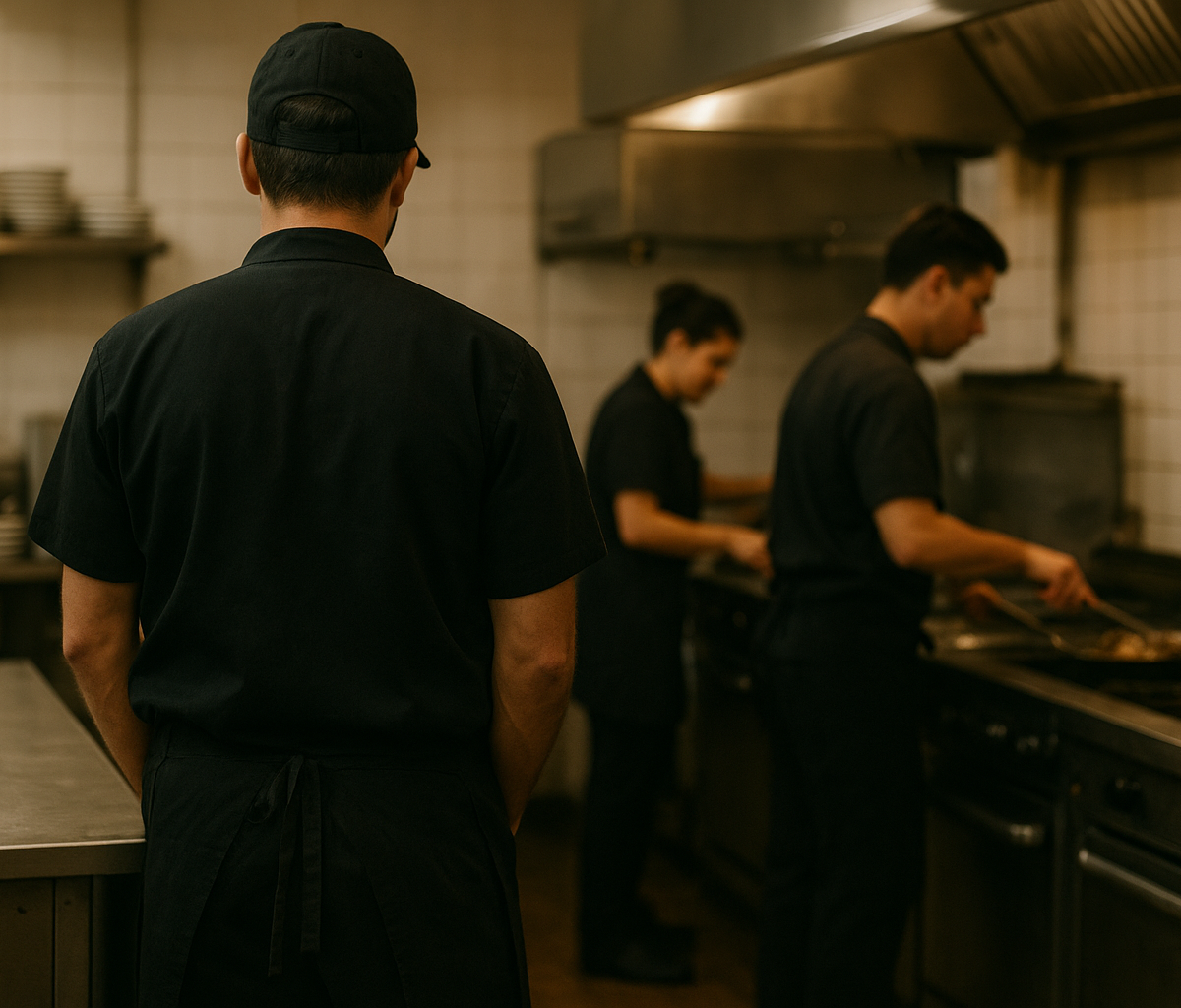
It usually starts the same way. A text comes in an hour before service. Someone is sick, stuck, dealing with an emergency, or suddenly unavailable. Once in a while, that is just part of restaurant life. When it happens with the same employee over and over, especially on the same nights, the rest of the team notices long before management says anything.
The real damage is not only the open shift. It is the message the pattern sends. Reliable employees see who gets away with disappearing. They see who stays late, skips breaks, runs extra tables, or closes short. After a while, the issue stops being one coworker with attendance problems. It becomes a fairness problem.
How repeated callouts change shift coverage
One callout can throw off the whole floor or line. A server section gets stretched. A prep list gets delayed. A bartender loses barback support right when volume picks up. Managers often patch the problem with whoever is available, but that patch has a cost. The strongest employees usually get leaned on first because they can handle it. That works in the moment and fails over time.
Shift coverage is not just about getting a body in the building. It is about keeping standards intact under pressure. When the same people repeatedly absorb someone else's absence, service gets sloppier, tempers get shorter, and mistakes rise. Tickets drag. Side work gets rushed. Guests may never know there was a callout, but they feel the result in slower service and a team that is running hot.
Why the reliable staff start checking out
Managers often worry most about the employee who calls out. The bigger retention risk is often the dependable one who keeps covering. Good staff do not usually quit after one bad shift. They quit after the tenth time they had to carry one.
That resentment is rarely loud at first. It shows up in smaller ways. Fewer people volunteer to help. Cross training becomes harder to sell. A strong closer stops picking up extra shifts. Someone who used to solve problems starts saying, "Not my issue." Once that mindset spreads, team cohesion is already slipping.
In many operations, the no-show or chronic callout employee becomes a drain on morale because everyone knows the pattern and nobody sees a response. Staff can accept that emergencies happen. What they struggle to accept is inconsistency. Rules that apply to some people and not others are one of the fastest ways to lose trust on a shift-based team.
Callout patterns need facts, not guesses
This is where many managers get stuck. They know there is a problem, but they are working off memory, frustration, and whatever happened most recently. That is not enough for a fair performance conversation. It also leaves room for denial. The employee may insist the absences were isolated, or claim they cover just as often as they miss.
Attendance issues are easier to address when they are documented clearly. Dates matter. Timing matters. Day-of-week patterns matter. So does who keeps stepping in to cover. Tools like Truvex can help create that visibility by showing callout frequency and which employees consistently accept open shifts. That does not solve the management problem by itself, but it gives managers something better than gut feeling. It gives them a record.
Scheduling and labor cost take the hit too
Frequent callouts create a hidden labor cost problem. Overtime creeps in. Managers stay on the clock longer. Coverage decisions get made fast instead of smart. In some cases, an operation starts overstaffing certain shifts just to protect itself from one unreliable employee. That may reduce the scramble, but it also means the entire labor plan is being distorted by a single pattern.
Scheduling also becomes political. Managers may avoid putting the employee on key shifts, which then pushes more pressure onto the rest of the roster. If the person stays employed but cannot be trusted on busy nights, the team already knows what that means. They are carrying a name on the schedule, not a dependable part of the operation.
What managers should do about a chronic no-show problem
The fix is not public shaming, and it is not endless second chances either. It starts with a direct conversation backed by specifics. The standard should be clear. Attendance expectations, callout procedures, and consequences need to be stated plainly. Not implied, not softened, not saved for later.
Managers also need to recognize the employees who keep the place standing when coverage falls apart. That does not always mean money, though fair compensation matters. It can also mean preferred shifts, advancement, better communication, and visible acknowledgment that reliability counts.
Most teams can handle the occasional emergency. What they cannot handle for long is the feeling that dependability has no value. In restaurants and hospitality, people will work hard for each other. They stop when the burden stops being shared. That is usually the point when the strongest employees begin looking for the door.