July 23, 2026
What Gen Z Expects From Restaurant Work
Learn what younger restaurant workers expect from schedules, communication, and shift coverage, and how managers can turn that into better retention.

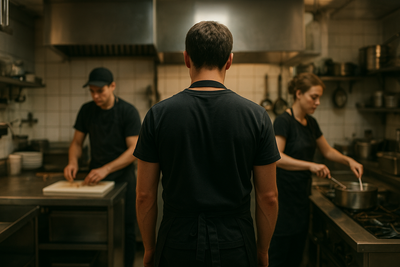
The Friday dinner rush is two hours out, one line cook just called out, and the newest server has already texted twice asking whether next week's schedule is final. That kind of moment says a lot about what younger workers are really asking for. In most cases, it is not free meals, slogans about culture, or a break room stocked with snacks. It is basic operational stability, delivered in a way that fits how they already live and work.
Gen Z now makes up a large share of hourly restaurant labor across quick service, casual dining, and hotels. Managers who reduce the conversation to entitlement usually miss the real issue. Younger workers are often willing to work hard, pick up extra shifts, and stay longer, but they expect clarity, speed, and a little control over their time.
Scheduling matters more than perks
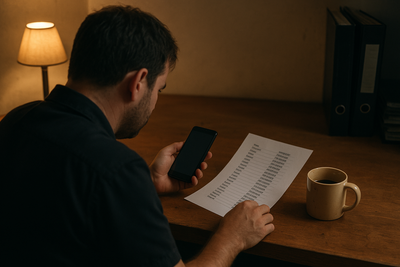
For many Gen Z workers, the biggest frustration is not the work itself. It is the uncertainty around it. Last-minute schedules, inconsistent hours, and constant changes make it hard to manage school, transportation, childcare, or a second job. In restaurants, that instability often gets treated as normal. To younger workers, it reads as disorganization.
Posting schedules further in advance is one of the simplest retention moves available. Even a few extra days helps. So does limiting avoidable edits once the schedule is posted. If changes do happen, they need to be communicated clearly and fast. A worker should not have to scroll through a group chat to figure out whether Tuesday's shift still exists.
Shift coverage should not depend on phone calls
Many younger employees are comfortable communicating quickly, just not necessarily by answering a manager's call during class, on a bus, or at another job. That does not mean they are disengaged. It means the communication method matters.
Digital-first communication is the baseline. Text messages, app notifications, and clear written updates tend to get better response than voicemail or a chain of missed calls. This is especially true during a callout, when speed matters and nobody has time to contact ten people one by one. Tools like Truvex fit that reality by sending open shifts to qualified off-duty staff through push notification and SMS, letting workers respond with a tap while keeping the manager in control of the final assignment.
Callout management affects retention
How a restaurant handles a no-show or sick call affects more than that one shift. If the same reliable people are always pressured to cover, resentment builds fast. If weaker employees face no accountability, stronger ones notice that too. Gen Z workers tend to be highly aware of fairness, especially when schedules and coverage decisions feel uneven.
Good callout management starts with a clear policy, but policy alone is not enough. The process has to be practical. Managers need a fast way to offer shifts broadly, track who responded, and avoid favoritism. When workers can see that extra hours are offered fairly, trust goes up. That matters more than posters about teamwork.
Flexibility works best with structure
There is a common assumption that Gen Z wants total freedom and no rules. In practice, most want flexibility inside a system that makes sense. They want to swap shifts without drama, pick up extra hours when available, and know the expectations before they clock in.
That balance matters. Too much rigidity drives people out. Too little structure creates chaos, and chaos usually lands on the youngest workers first. The strongest operations set clear standards for attendance, performance, and availability, then give staff some room to manage their hours within those boundaries. Mobile shift pickup tools support that model because they offer autonomy without turning the schedule into a free-for-all.
Restaurant turnover drops when communication is clear
Retention often improves through ordinary habits, not grand gestures. Clear onboarding. Direct feedback. Schedules posted on time. Shift coverage handled without panic. These are not flashy improvements, but they shape whether a young worker sees the job as manageable or exhausting.
Gen Z is often described as difficult to retain. In many restaurants, the problem is less about the generation and more about the operating model they are walking into. When communication is slow, scheduling is sloppy, and callouts become a scramble, people leave. Usually for another job that feels easier to live with.
The labor market has changed, and hourly workers know they have options. Restaurants that treat flexibility, structure, and digital communication as operational basics will likely hold onto people longer. The ones that do not may keep blaming turnover while the schedule keeps falling apart.