September 8, 2026
How to Cover Overnight Shifts Fast
Learn how hotels and 24/7 teams handle overnight callouts, protect service, and close dangerous coverage gaps before the front desk goes dark.
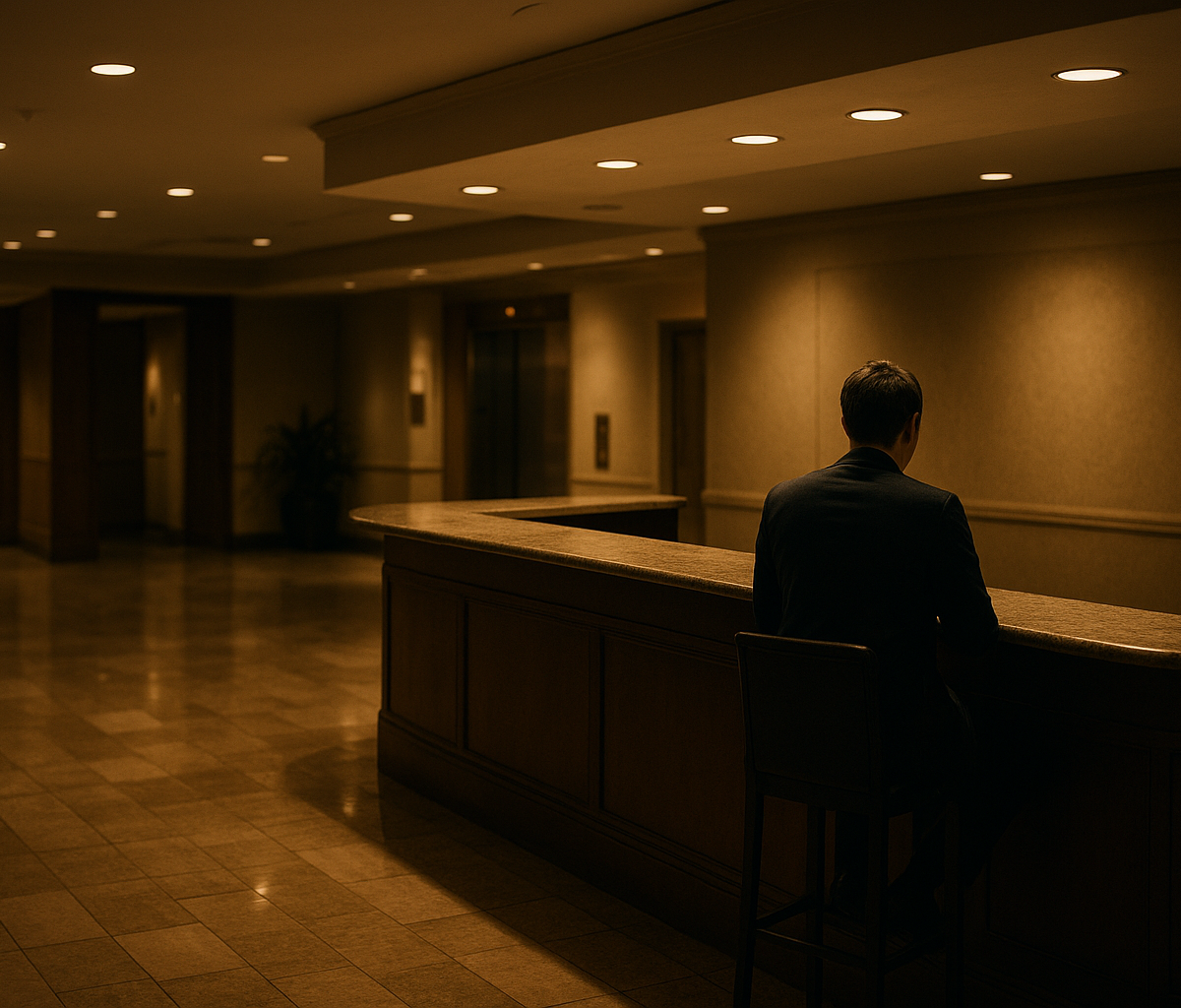
At 2:03 a.m., an empty front desk is not just a staffing problem. It is a security problem, a guest service problem, and in some properties, a legal exposure. A delayed check-in, a locked out guest, a fire panel alert, or a noise complaint can all land at the same desk within minutes. When the overnight agent calls out late, the margin for error disappears fast.
This is why overnight coverage is harder than a normal scheduling gap. The labor pool is smaller, the commute feels longer at that hour, and many managers are trying to solve the problem from home with a phone full of unanswered texts. Hotels feel it most sharply, but hospitals, senior care sites, and 24/7 retail operations deal with the same basic risk, one critical post that cannot sit empty.
Why overnight shift coverage breaks down
Most teams build schedules around daytime availability because that is where the labor supply is. Overnight shifts often get assigned to a handful of reliable people, which works until one person gets sick, oversleeps, or quits with little notice. Then the whole system shows its weakness. The same names get called every time, burnout builds, and eventually the backup list stops answering.
Another common issue is that managers treat overnight staffing like a standard vacancy instead of a specialized one. Not every employee who can work the desk at 3 p.m. can handle it alone at 3 a.m. Overnight staff need a different level of independence. They may be the only visible employee in the building. That changes the hiring profile and the coverage plan.
Callout response for the night shift
The first rule in an overnight callout is simple, stop relying on one communication method. App-only messages get missed. Group texts get buried. Voicemails at 10 p.m. are often heard at 7 a.m., which is useless. A practical response plan uses layered contact, clear eligibility rules, and a short decision window.
That is where tools like Truvex fit naturally into operations. If a night auditor or front desk agent calls out at 10 p.m., a manager can send one broadcast to qualified off-duty staff by push notification and SMS at the same time. That matters overnight because the people most likely to accept are often not sitting in a scheduling app. They may be awake already, willing to pick up the shift, and motivated by overnight differential pay.
Speed matters, but clarity matters just as much. The message should include the role, location, start time, shift end, and any premium pay attached. Vague messages slow down acceptance. At that hour, nobody wants a five-message back-and-forth just to learn whether the shift is worth taking.
Scheduling practices that reduce no-show risk
The best overnight coverage plan starts before the callout happens. Managers who consistently fill night shifts usually keep a live bench of cross-trained employees, not just a printed list in a binder. That bench may include part-time front desk staff, supervisors willing to step in, and employees from nearby sister properties who know the PMS and basic overnight procedures.
It also helps to identify who actually prefers nights. Every operation has a few employees who like the quiet, the routine, or the pay differential. Those workers are often more dependable for emergency shift coverage than daytime staff being pressured into an unwanted overnight. The mistake is assuming everyone hates nights equally. In practice, some workers actively want them, especially when outreach is fast and direct.
Labor cost versus coverage risk
Managers sometimes hesitate to offer premium pay for overnight pickup because labor cost is already tight. That is understandable, but the math is usually straightforward. Paying an extra few dollars an hour is cheaper than comped rooms, chargebacks, security incidents, or a manager dragging through the next day after covering the desk all night.
There is also the hidden cost of repeated manager rescue. If the same supervisor keeps filling overnight holes, daytime performance slips, turnover risk rises, and eventually the property pays for it somewhere else. Coverage decisions made at midnight still hit the P and L, just not always on the same line.
Building a better overnight staffing system
Strong overnight operations are rarely built on heroics. They are built on response rules, updated contact lists, cross-training, and communication that reaches people when it counts. In hotels especially, the overnight desk is too important to leave to chance or to one exhausted manager scrolling through contacts in the dark.
The operations that handle these callouts best tend to accept one hard truth, overnight coverage is not a side issue in scheduling. It is its own staffing problem, and it needs its own system.