September 29, 2026
Flu Season Staffing for Restaurants
Learn how restaurants handle flu season callouts with smarter scheduling, cross-training, and faster shift coverage plans.
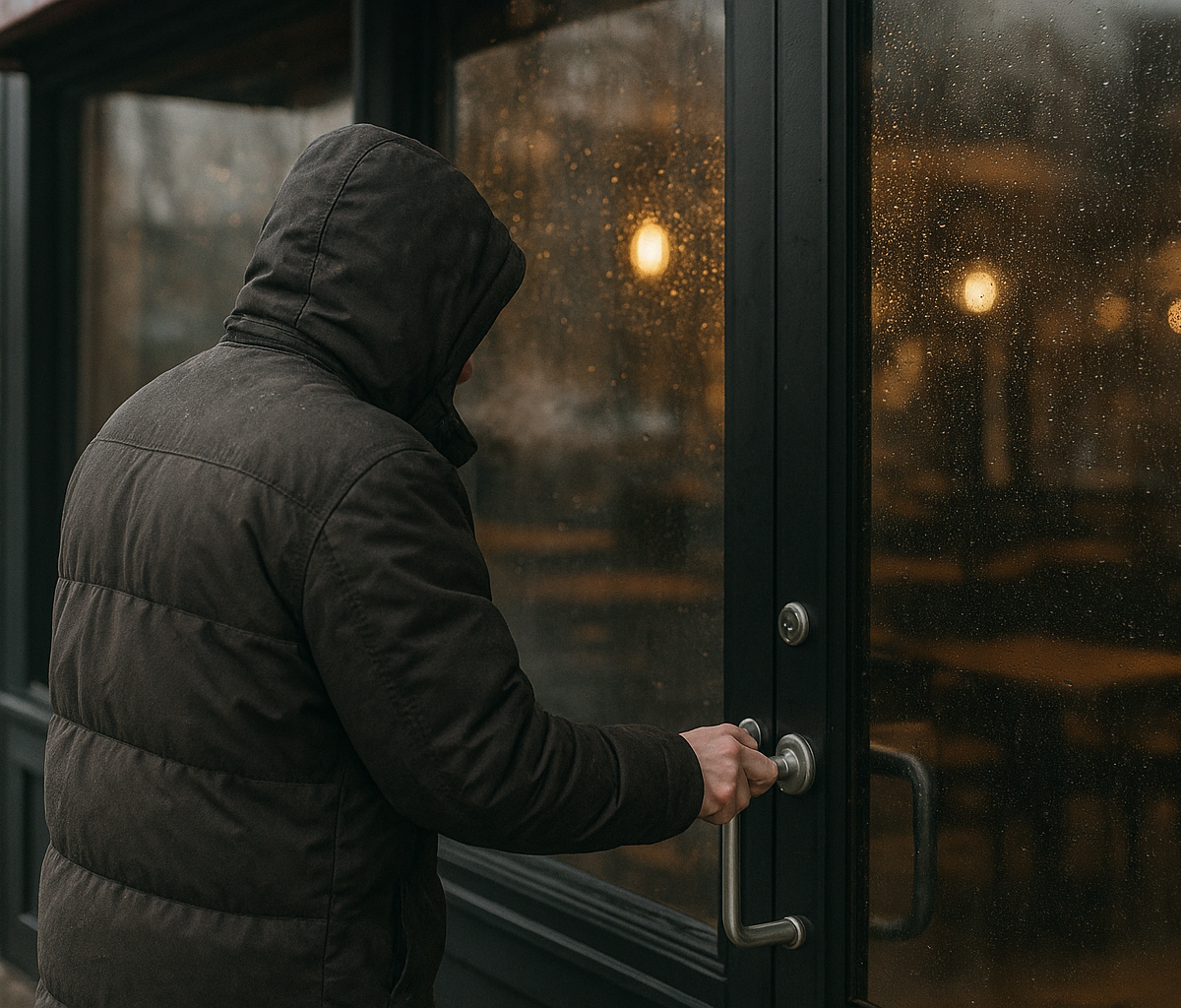
It usually starts with one text before lunch. A line cook woke up vomiting. An hour later, a server has a fever. By pre-shift, a dishwasher is out with chills, and the dinner roster is already breaking apart. Flu season does not just create sick employees, it creates operational chain reactions.
Restaurants and hospitality teams deal with this every year, yet many still treat illness as a one-off problem instead of a staffing pattern. That is where the damage happens. A single callout is manageable. Three callouts across two dayparts can drag ticket times, service standards, labor cost, and team morale down in the same shift.
Why sick policy affects shift coverage
The first operational rule is simple. Sick employees need to stay home. That sounds obvious, but in many restaurants the real message is mixed. Staff are told not to come in sick, then punished with fewer hours, guilt from coworkers, or pressure to find their own replacement while half-conscious in bed.
That approach backfires. Food safety risks increase, especially with norovirus symptoms. Respiratory illness spreads through close kitchens, server stations, host stands, and break areas. One worker trying to tough it out can create several more callouts by the end of the week.
Clear illness rules reduce confusion. Managers should define what symptoms mean an employee cannot work, who must be notified, and when a return is appropriate. The policy matters, but so does the culture around it. If workers believe calling out sick will trigger retaliation, they will show up anyway. Then the whole building pays for it.
Scheduling redundancy during flu season
Lean scheduling looks efficient until flu season arrives. Running every shift with no slack may protect labor percentages on paper, but it leaves no room for reality. During peak illness periods, smart operators build small buffers into the schedule. That might mean one extra support role on a high-risk night, a trained opener who can slide into a closer's station, or staggered start times that allow adjustments before service gets hit.
Redundancy does not mean overstaffing every shift. It means knowing which positions are most fragile and protecting them. In many restaurants, dish, expo, and lead line positions create the biggest bottlenecks when absent. Front of house may be able to condense sections. A missing grill cook on a Friday night is harder to improvise.
Cross-training reduces no-show damage
Cross-training is one of the few staffing tools that actually gets stronger under pressure. When hosts can run food, bartenders can take a small section, and prep cooks can cover basic line production, callouts stop feeling like total emergencies.
The key is to cross-train for useful competence, not theoretical familiarity. A worker who watched someone plate salads once is not coverage. A worker who has handled that station on two slower shifts probably is. Managers should identify the roles most likely to cause service disruption, then train backups before they are needed.
This also helps with employee confidence. Teams are less likely to panic when the backup plan is familiar. They know who can slide where, what can be simplified, and which tasks can wait until after the rush.
Building a rapid callout response system
When multiple employees call out, speed matters. Group texts often turn into confusion. Individual outreach takes too long. By the time a manager has contacted ten people one by one, the pre-shift meeting is already starting and nobody knows who is walking through the door.
Restaurants need a defined response system for same-day openings. That means a current list of qualified off-duty staff, clear rules for who gets offered which shifts, and one communication method that reaches everyone fast. Some operators handle this with internal chat tools. Others use shift coverage platforms such as Truvex, which allows managers to broadcast open positions to qualified workers at once by push notification and SMS.
The real advantage is not convenience. It is time. During flu season, the difference between filling a station in ten minutes and filling it in ninety can decide whether service runs normally or spends the night in recovery mode.
Protecting labor cost without burning out staff
There is always a temptation to solve flu season with overtime and heroics. That works for a shift or two, then fatigue takes over. Tired teams make mistakes, call out themselves, or start looking for another job. Short-term coverage can quietly become a turnover problem.
Managers who handle illness well usually make a few hard calls early. They trim the menu if needed. They close a section instead of pretending full capacity still exists. They move labor where it protects the guest experience most. That is not weakness. That is control.
Flu season tests whether a restaurant's staffing plan was built for real life or just for ideal conditions. Sickness cannot be prevented completely. The staffing damage around it can be limited. Operations that stay steady are usually the ones that plan for the callout before the phone ever buzzes.